Creating an Organized Workplace Through Better Safety and Facility Management

Creating an Organized Workplace Through Better Safety and Facility Management
A well-managed workplace is essential for maintaining productivity, employee satisfaction, and operational efficiency. Businesses need organized systems to manage daily activities, maintain facilities, support employees, and ensure a safe working environment.
Effective workplace management involves more than supervising employees. It includes facility maintenance, workplace safety, communication, security procedures, and resource management. When these areas work together, organizations can reduce disruptions and create a more professional environment.
1. Establish Clear Workplace Procedures
Clear workplace procedures help employees understand their responsibilities and complete daily tasks efficiently. Organizations should establish guidelines for attendance, reporting, equipment usage, workplace conduct, and facility access.
Written procedures also help managers maintain consistency across departments and ensure that employees know how to handle common workplace situations.
2. Maintain a Safe and Organized Environment
A clean and organized workplace reduces potential hazards and supports employee well-being. Management should regularly inspect work areas, emergency exits, electrical equipment, lighting, and shared facilities.
Employees should have clear instructions for reporting damaged equipment, unsafe conditions, and maintenance concerns. Regular inspections help identify problems before they interrupt operations or cause accidents.
3. Improve Communication Between Teams
Effective communication helps different departments coordinate their responsibilities and resolve workplace issues quickly.
Regular meetings, clear reporting channels, digital communication tools, and documented instructions can reduce misunderstandings. Managers should also encourage employees to share feedback and report operational concerns.
Security personnel, reception staff, maintenance teams, and management should maintain appropriate communication to support daily workplace operations.
4. Strengthen Workplace Security
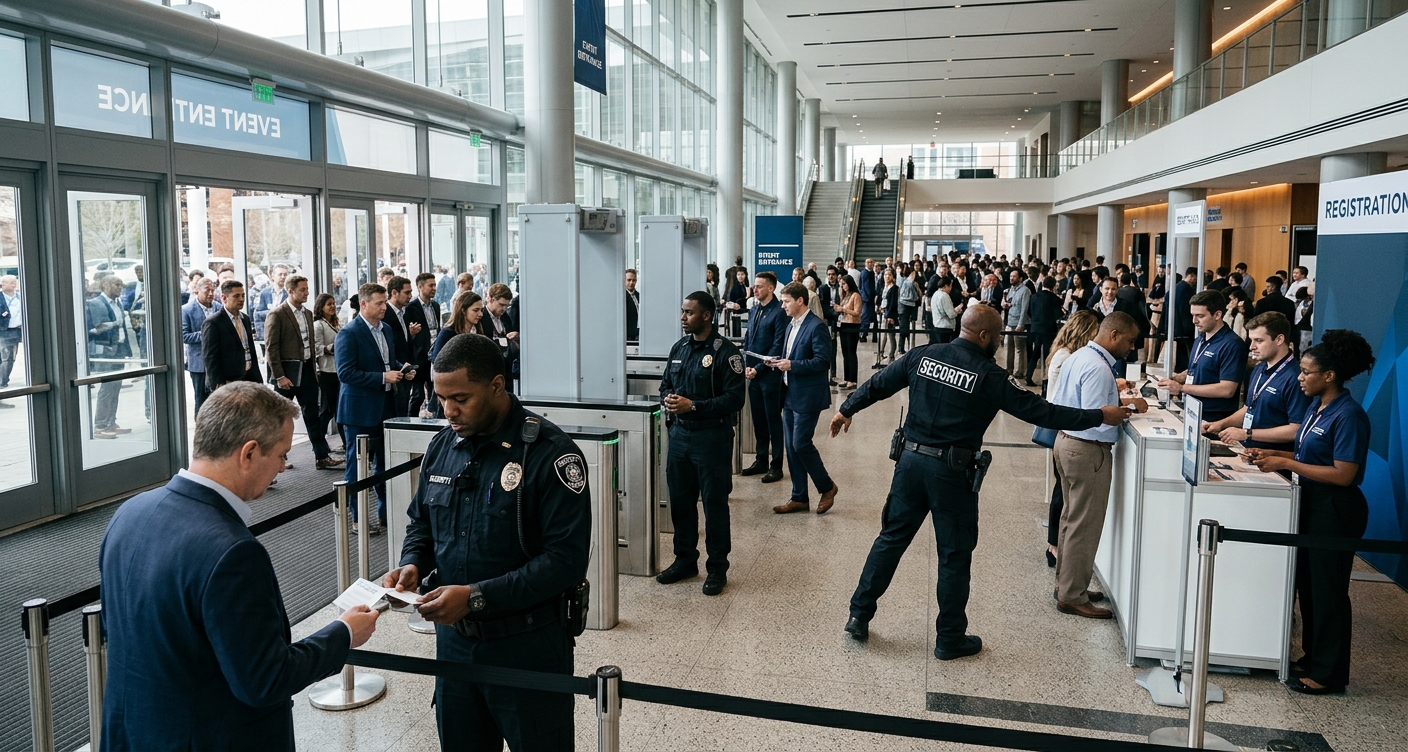
Workplace security is an important part of effective management. Organizations should establish procedures for visitor registration, employee identification, restricted-area access, and incident reporting.
Security officers can help monitor entrances, conduct authorized patrols, observe unusual activity, and support emergency procedures. CCTV surveillance and electronic access control systems can provide additional support when used appropriately.
5. Manage Facilities and Equipment Properly
Workplace facilities and equipment must remain functional to support daily business activities. Management should maintain a schedule for cleaning, repairs, inspections, and equipment servicing.
Important areas may include meeting rooms, restrooms, reception areas, parking facilities, elevators, and shared workspaces. Proper maintenance reduces unexpected disruptions and helps extend the useful life of company assets.
6. Provide Employee Training and Development
Employees perform more effectively when they understand workplace procedures and receive appropriate training. Organizations should provide guidance on job responsibilities, health and safety, emergency response, equipment usage, and company policies.
Regular training also helps employees adapt to new systems and changing operational requirements. Managers should identify skill gaps and provide opportunities for continuous professional development.
7. Prepare for Workplace Emergencies
Every workplace should have a clear emergency response plan. Depending on the environment, this plan may cover fires, medical emergencies, power failures, severe weather, and security incidents.
Employees should know the location of emergency exits, assembly points, first aid supplies, and emergency contact information. Management should review emergency procedures regularly and arrange appropriate drills.
8. Use Technology to Improve Workplace Operations
Modern technology can make workplace management more efficient. Digital attendance systems, facility management software, visitor registration tools, CCTV monitoring, and access control systems can help organizations manage daily operations.
Businesses should select systems that match their operational requirements and ensure employees receive appropriate training. Access to workplace information should be controlled to protect confidential records and personal data.
9. Monitor Performance and Review Workplace Procedures
Workplace management should be reviewed regularly to identify areas that need improvement. Managers can evaluate maintenance records, employee feedback, safety inspections, incident reports, and operational performance.
These reviews help organizations identify recurring problems, improve existing procedures, and make better decisions about resources and staffing.
Benefits of Effective Workplace Management
A well-organized workplace management approach can help organizations:
-
Improve employee productivity and workplace satisfaction.
-
Maintain safer and cleaner working conditions.
-
Strengthen communication between departments.
-
Reduce operational disruptions and maintenance issues.
-
Improve control over workplace facilities and equipment.
-
Support better security and emergency preparedness.
-
Create a professional environment for employees and visitors.
Conclusion
Effective workplace management requires coordination between employees, managers, facility teams, and security personnel. Clear procedures, regular maintenance, employee training, workplace security, and emergency planning all contribute to a productive and organized business environment.
Organizations should regularly review their workplace operations and improve procedures according to their changing needs. A proactive management approach helps reduce risks, protect company resources, and support long-term operational success.
You Might Also Like
 Security Guard Duties
 Event Security
 Corporate Security
 Security Officer Career Growth
The Role of Professional Security Officers in Protecting People and Property
Ready to See Geo Guard Pro in Action?
14-day free trial. No credit card. No lock-in.