How Professional Security Planning Keeps Events Safe and Organized
How Professional Security Planning Keeps Events Safe and Organized
Events bring together large numbers of people in one location, making proper security planning essential. Whether organizing a corporate conference, concert, exhibition, wedding, sporting event, or public gathering, event organizers must consider the safety of guests, employees, performers, and visitors.
A well-planned event security strategy helps manage crowds, control access, prevent disruptions, and prepare staff for unexpected situations. By combining trained security personnel, clear procedures, and appropriate technology, organizers can create a safer and more organized event environment.
1. Conduct a Security Risk Assessment
Every event has different security requirements depending on its size, location, audience, duration, and activities. Before the event begins, organizers should identify potential risks and determine which areas need additional protection.
A security assessment may include reviewing venue entrances, emergency exits, parking facilities, restricted areas, crowd movement, and nearby surroundings. Identifying risks early helps organizers develop suitable security arrangements.
2. Manage Entry and Exit Points
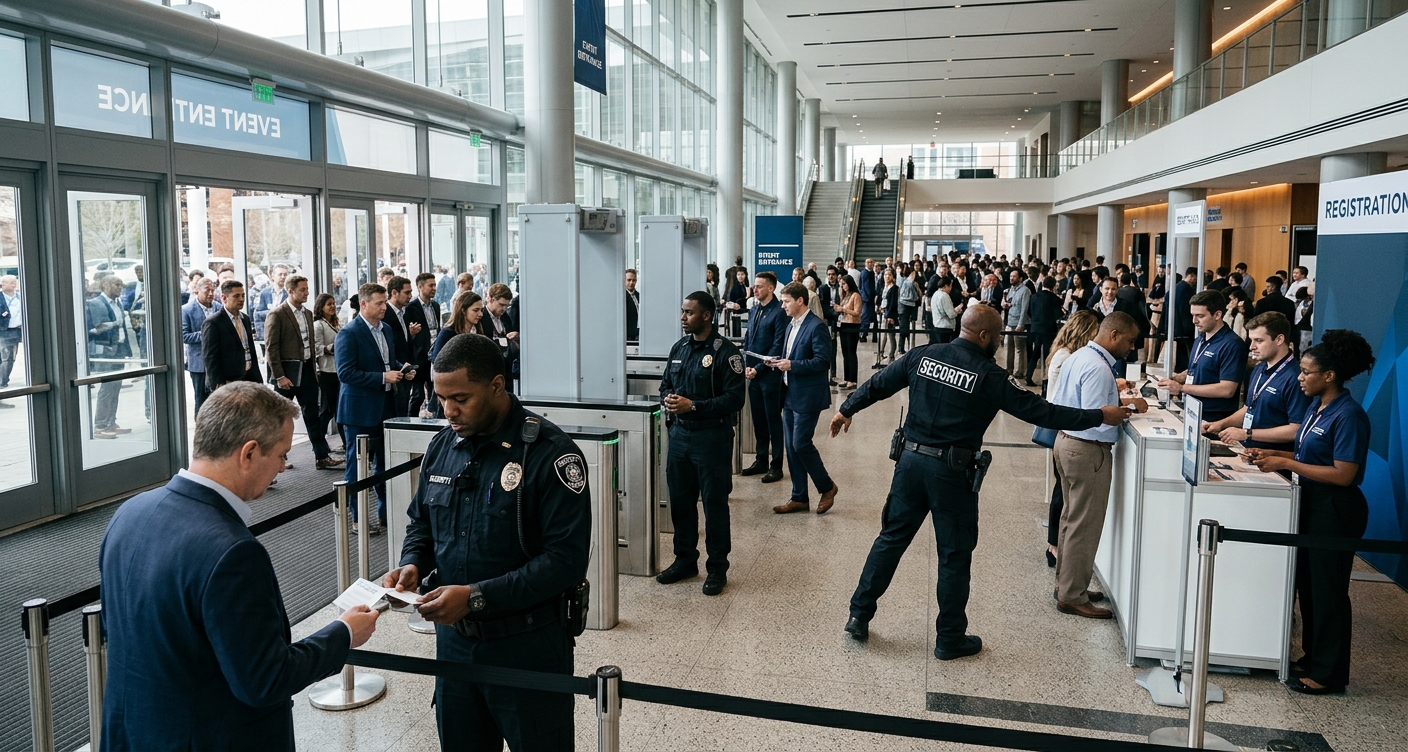
Controlled entry and exit procedures help prevent unauthorized access and reduce confusion among attendees. Security officers may check tickets, invitations, identification, or event credentials according to the organizer's requirements.
Separate entry points for guests, staff, performers, and service providers can improve movement and reduce congestion. Clear signs and trained personnel also help visitors find the correct entrances and exits.
3. Hire Trained Event Security Officers
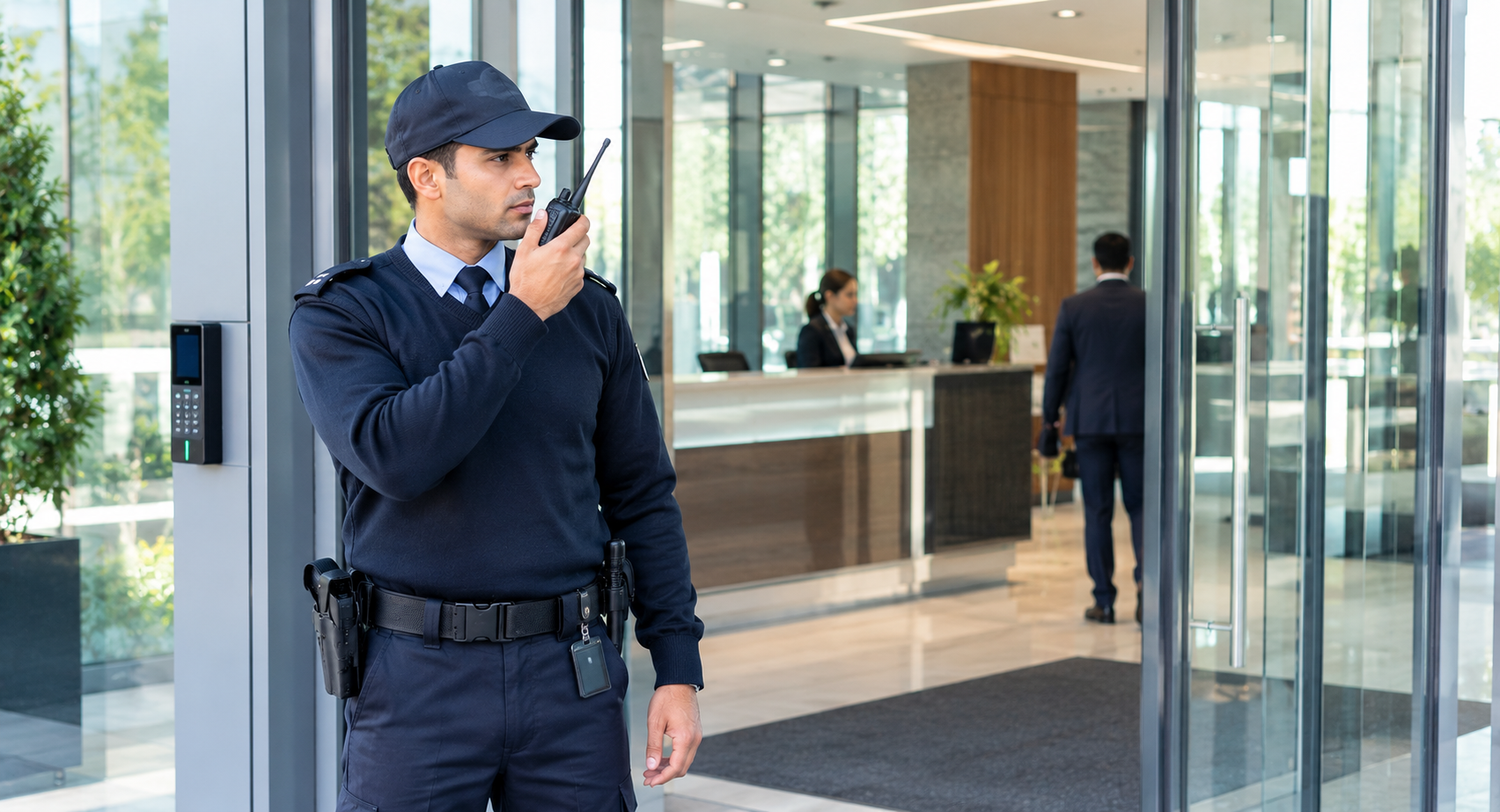
Professional security officers play an important role in maintaining order throughout an event. Their responsibilities may include monitoring entrances, checking credentials, observing crowd behavior, conducting authorized patrols, and reporting suspicious activity.
Security personnel should receive suitable training in communication, crowd management, emergency response, conflict de-escalation, and incident reporting. Their responsibilities should be clearly assigned before the event begins.
4. Maintain Effective Crowd Management
Large gatherings require proper crowd management to prevent overcrowding, confusion, and unsafe movement. Organizers should establish clear walking routes, queue areas, designated seating sections, and suitable barriers where needed.
Security officers can monitor crowd movement, guide attendees, identify congestion, and communicate concerns to event management. Adequate staffing and clear instructions help maintain an organized environment.
5. Use CCTV and Security Technology
Technology can support event security by improving visibility and communication. CCTV cameras can help authorized personnel monitor entrances, common areas, parking spaces, and other appropriate locations.
Depending on the event, organizers may also use electronic ticket scanning, access control systems, communication radios, and visitor management tools. These systems should be tested before the event and operated by trained, authorized personnel.
6. Prepare for Medical and Emergency Situations
Event organizers should have clear procedures for emergencies such as medical incidents, fires, severe weather, power failures, and security threats.
Emergency plans should identify evacuation routes, assembly points, first aid arrangements, emergency contacts, and staff responsibilities. Security officers should know how to communicate with event management and emergency services when required.
7. Protect VIPs, Performers, and Restricted Areas
Some events involve VIP guests, performers, speakers, or valuable equipment that require additional security arrangements. Organizers should identify restricted areas and establish procedures for controlling access.
Authorized credentials, designated security personnel, and appropriate monitoring can help protect backstage areas, equipment storage, technical rooms, and private meeting spaces.
8. Coordinate with Event Organizers and Staff
Effective communication between security teams and event management is essential. Before the event, all relevant personnel should understand their responsibilities, reporting channels, emergency procedures, and communication methods.
Briefings before the event help ensure that security officers, reception staff, volunteers, and organizers work together. A clear chain of communication also makes it easier to respond when an issue arises.
9. Review Security Performance After the Event
Security planning should continue even after an event ends. Organizers should review incident reports, crowd management issues, access control procedures, and feedback from security personnel.
This review helps identify areas for improvement and supports better planning for future events. Any incidents should be documented accurately and handled according to applicable procedures.
Benefits of Professional Event Security
An effective event security program can help:
-
Protect guests, staff, performers, and organizers.
-
Improve entry and exit management.
-
Reduce overcrowding and unauthorized access.
-
Support faster communication during emergencies.
-
Protect valuable equipment and restricted areas.
-
Maintain a professional and organized event environment.
-
Improve attendee confidence and overall experience.
Conclusion
Successful event security requires preparation, coordination, and professional supervision. Risk assessments, trained security officers, controlled entry points, crowd management, surveillance technology, and emergency planning all contribute to safer events.
Every gathering has unique requirements, so security arrangements should be based on the venue, audience size, event activities, and identified risks. Regular communication and proper planning help ensure that security measures remain effective throughout the event.
You Might Also Like
 Security Guard Duties
 Workplace Management
Creating an Organized Workplace Through Better Safety and Facility Management
 Corporate Security
 Security Officer Career Growth
The Role of Professional Security Officers in Protecting People and Property
Ready to See Geo Guard Pro in Action?
14-day free trial. No credit card. No lock-in.