Building a Successful Career in Security
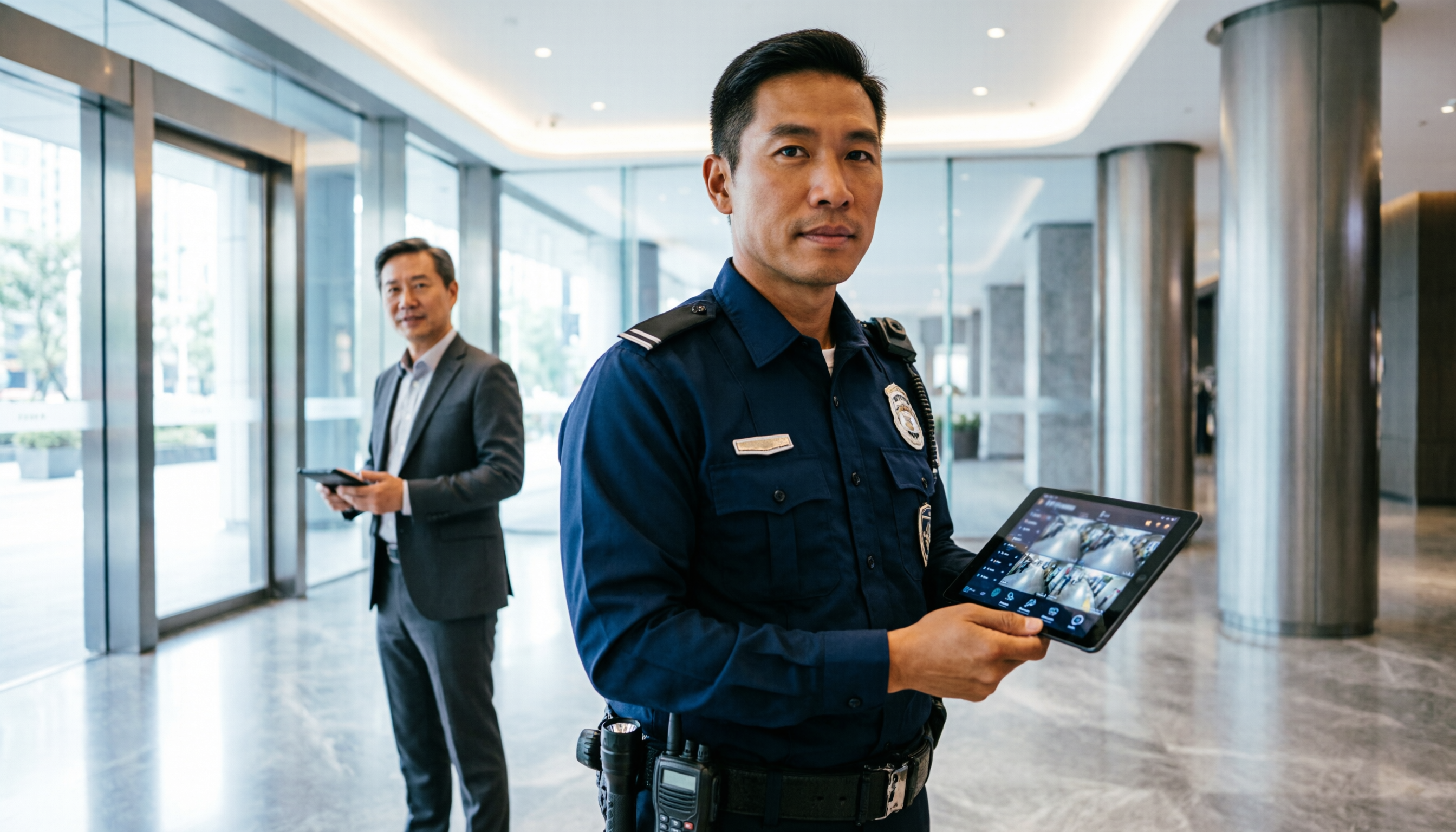
A career as a security officer can provide valuable opportunities for professional growth and advancement. Security officers play an important role in protecting people, property, businesses, and facilities, making their skills and professionalism essential to effective security operations.
As the security industry continues to evolve, officers who develop their skills, gain practical experience, and stay familiar with modern security technology can prepare themselves for greater responsibilities and long-term career opportunities.
Understanding the Role of a Security Officer
Security officers are responsible for maintaining a safe and secure environment. Their daily responsibilities can vary depending on the site and organization.
Common responsibilities may include:
- Monitoring premises and restricted areas.
- Controlling access to buildings and facilities.
- Conducting security patrols.
- Responding to incidents and emergencies.
- Monitoring security systems.
- Communicating with supervisors and clients.
- Preparing incident and activity reports.
- Supporting workplace safety procedures.
Understanding these responsibilities is the first step toward becoming a reliable and professional security officer.
Develop Strong Communication Skills
Communication is one of the most valuable skills for security professionals. Officers interact with employees, visitors, clients, supervisors, emergency personnel, and members of the public.
Clear and respectful communication helps security officers handle everyday situations professionally and communicate important information during incidents.
Improving verbal communication, active listening, radio communication, and written reporting can make a significant difference in workplace performance.
Build Observation and Decision-Making Skills
Security officers need to remain alert and recognize situations that may require attention. Strong observation skills can help identify unusual activity, potential hazards, and security concerns.
Decision-making is equally important. When an unexpected situation occurs, officers need to remain calm, assess the circumstances, and follow the appropriate procedures.
These skills become stronger through experience, training, and regular exposure to different situations.
Learn Modern Security Technology
Technology is becoming an important part of modern security operations. Security officers may work with access control systems, surveillance equipment, digital reporting platforms, scheduling systems, communication tools, and other technologies.
Learning how to use these systems effectively can improve productivity and help officers adapt to modern security environments.
Technology skills can also become valuable when moving toward supervisory or management positions.
Focus on Professionalism
Professional behavior can have a major impact on career development. Security officers represent their organization while interacting with clients, employees, visitors, and the public.
Professionalism includes:
- Being punctual and dependable.
- Following company procedures.
- Maintaining a professional appearance.
- Treating people respectfully.
- Protecting confidential information.
- Completing responsibilities accurately.
- Communicating concerns appropriately.
A strong professional reputation can help build trust with supervisors and clients.
Gain Experience and Take Responsibility
Practical experience is an important part of career growth. Officers can strengthen their careers by learning from daily operations and taking their responsibilities seriously.
When appropriate, taking on additional responsibilities can also help demonstrate readiness for career advancement.
Experience in different security environments can provide exposure to new challenges and help officers develop a broader understanding of security operations.
Career Advancement Opportunities
Security officers who develop their skills and gain relevant experience may have opportunities to progress into positions with greater responsibility.
Depending on the organization, potential career paths may include:
- Senior Security Officer
- Team Leader
- Security Supervisor
- Site Supervisor
- Security Manager
Advancement requirements can vary, but strong performance, relevant experience, leadership skills, and continued professional development can all support career progression.
Continue Learning and Developing Skills
Career growth does not stop after getting a security position. The security industry continues to change, so professionals should continue developing their knowledge and skills.
Regular training, learning new technologies, reviewing security procedures, and receiving feedback can help officers identify areas for improvement.
A commitment to continuous learning can help security professionals remain prepared for new responsibilities and opportunities.
How Security Management Technology Supports Career Growth
Modern security management platforms can help organizations manage daily operations more efficiently. Features such as shift scheduling, time tracking, patrol management, tasks, reporting, and operational records can help security teams stay organized.
For security officers, working with structured digital systems can also provide valuable experience with the technology used in modern security operations.
Conclusion
Building a successful security career requires more than simply gaining experience. Strong communication, observation, decision-making, technology skills, professionalism, and continuous learning can all contribute to long-term career growth.
Security officers who consistently improve their skills and take their responsibilities seriously can position themselves for greater opportunities and leadership roles within the security industry.
You Might Also Like
 Security Officer Career Growth
The Role of Professional Security Officers in Protecting People and Property
 Residential Security
 Security Guard Equipment
 Security Guard Laws
Understanding Security Guard Responsibilities, Rights, and Legal Requirements
Ready to See Geo Guard Pro in Action?
14-day free trial. No credit card. No lock-in.