Practical Ways to Improve Safety and Security in Residential Communities
Practical Ways to Improve Safety and Security in Residential Communities
Residential security plays an important role in protecting residents, visitors, property, and shared facilities. Whether managing an apartment complex, a gated community, or a private residential building, effective security measures can help reduce risks and create a safer living environment.
A well-planned residential security strategy combines trained security personnel, controlled access, surveillance technology, emergency procedures, and cooperation between residents and property management. These measures help communities respond to security concerns while maintaining a welcoming atmosphere.
1. Strengthen Gate and Entrance Security
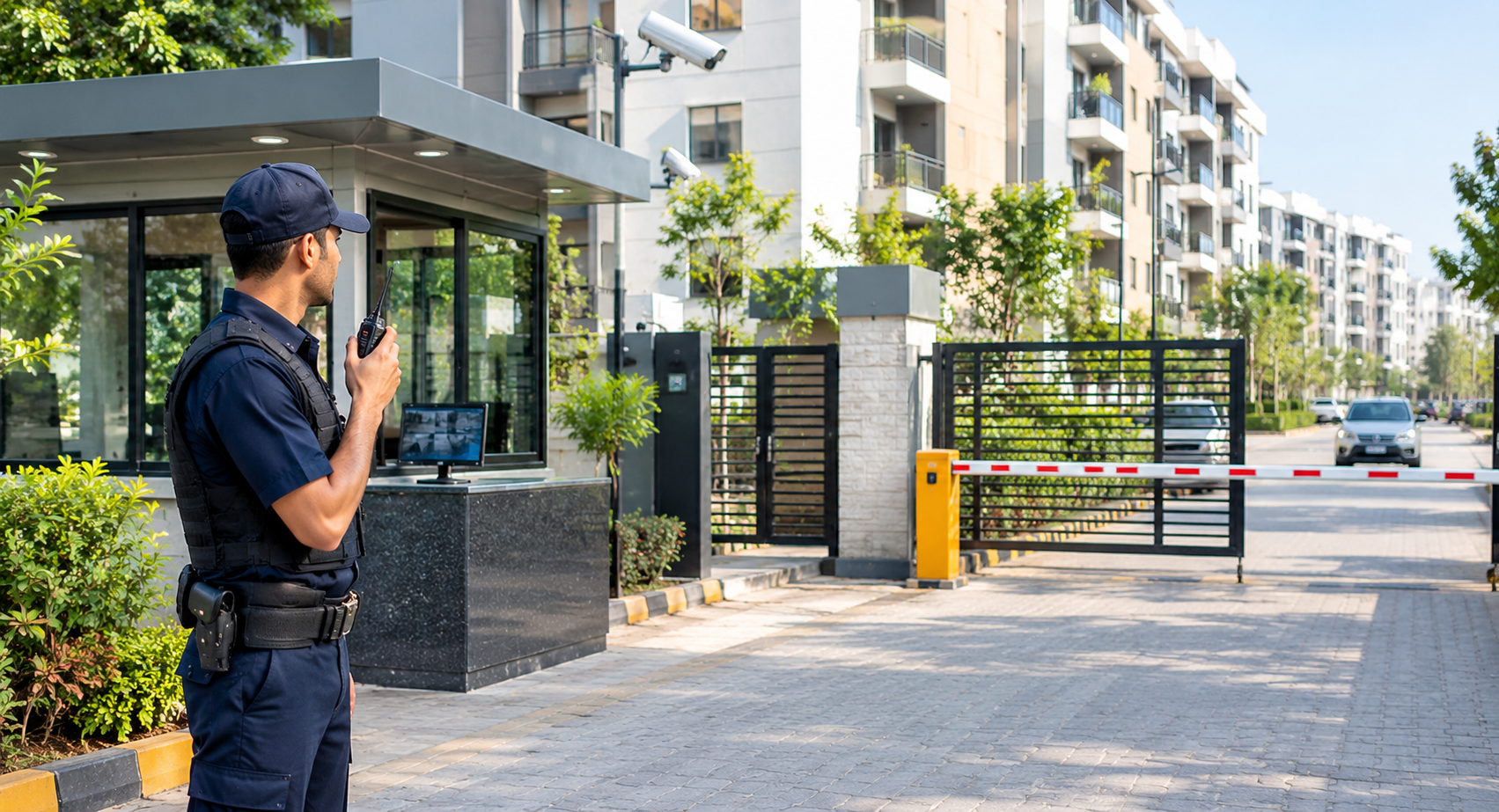
Residential entrances are important points for managing access to a community. Security personnel should follow clear procedures for identifying visitors, recording required information, and confirming authorization before allowing entry.
Where appropriate, access cards, visitor passes, intercom systems, and electronic gates can provide additional control. Delivery personnel, contractors, and service providers should also follow established entry procedures.
2. Employ Trained Residential Security Guards
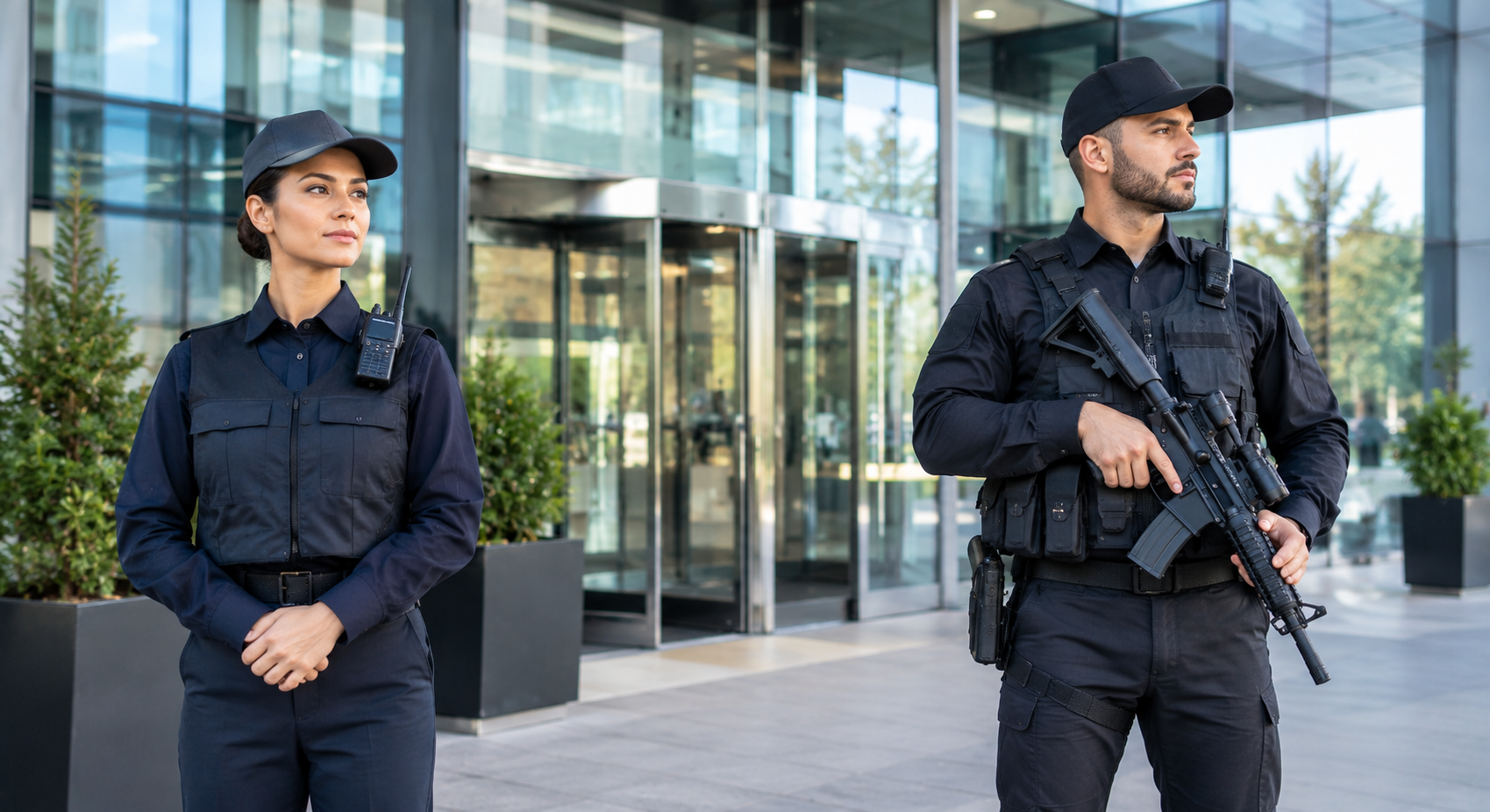
Professional security guards can help maintain a visible security presence and support the daily management of residential facilities. Their duties may include monitoring entrances, conducting authorized patrols, observing common areas, and reporting suspicious activity.
Security personnel should receive appropriate training in communication, conflict de-escalation, emergency response, visitor management, and incident reporting. Professional conduct is especially important when interacting with residents, families, and guests.
3. Install and Maintain CCTV Surveillance
CCTV cameras can help monitor entrances, parking areas, building lobbies, and other appropriate shared spaces. Properly maintained surveillance systems may deter unauthorized activity and provide useful information when an incident occurs.
Camera placement should be based on a security assessment, and access to recorded footage should be limited to authorized personnel. Residential surveillance must respect residents' privacy and comply with applicable laws.
4. Improve Lighting in Common Areas
Poor lighting can make it harder to identify hazards and observe activity around a residential property. Well-lit entrances, walkways, staircases, parking facilities, and shared outdoor spaces can improve visibility and support safer movement after dark.
Property managers should inspect lighting regularly and repair damaged fixtures promptly. Motion-activated lighting may also be useful in selected areas where appropriate.
5. Protect Parking Areas and Shared Facilities
Parking areas, storage rooms, recreational facilities, and building access points may require additional security measures. Property managers can introduce authorized parking procedures, access restrictions, regular inspections, and clear reporting channels.
Residents should be encouraged to secure their vehicles and personal belongings and report damaged locks, broken lights, or other security concerns to management.
6. Establish Clear Visitor Management Procedures
A consistent visitor management process helps residential communities maintain better control over access. Depending on the property's needs, procedures may include visitor registration, resident confirmation, temporary passes, and delivery instructions.
Security guards should apply these procedures consistently and handle residents' and visitors' personal information responsibly. Clear communication helps prevent confusion and unnecessary delays at entrances.
7. Prepare for Emergencies
Residential communities should maintain practical emergency plans for incidents such as fires, medical emergencies, power failures, and unauthorized entry.
Emergency plans should identify evacuation routes, assembly points, emergency contacts, and staff responsibilities. Security guards and property management teams should understand the procedures and conduct appropriate drills or reviews when needed.
Emergency equipment, exit routes, alarms, and access for emergency responders should be checked regularly.
8. Encourage Resident Awareness and Cooperation
Residential security is more effective when residents understand how to contribute to a safer community. Management can share guidance on reporting suspicious activity, securing doors and windows, protecting access credentials, and avoiding unauthorized sharing of entry codes.
Residents should have a clear way to report concerns without confronting potentially dangerous individuals themselves. Timely communication between residents, management, and security personnel helps address issues before they escalate.
9. Review Security Measures Regularly
Residential communities change over time as occupancy, facilities, and security needs evolve. Periodic assessments can help identify weaknesses in access control, lighting, surveillance, patrol routines, and emergency readiness.
Property managers should review incident reports, inspect facilities, gather relevant feedback, and update procedures based on identified risks. Security arrangements should be appropriate for the property's size, location, and operational requirements.
Benefits of Effective Residential Security
A well-planned residential security program can help:
-
Protect residents, visitors, and residential property.
-
Improve control over community entrances and restricted areas.
-
Reduce opportunities for unauthorized access.
-
Improve visibility through appropriate lighting and surveillance.
-
Strengthen emergency preparedness.
-
Encourage communication between residents and management.
-
Create a more comfortable and secure living environment.
Conclusion
Residential security requires ongoing attention, effective planning, and cooperation between security personnel, residents, and property management. Controlled access, trained guards, CCTV surveillance, adequate lighting, and emergency preparedness can work together to reduce vulnerabilities and support community safety.
Every residential property has different security requirements, so measures should be selected according to a proper assessment of its risks and facilities. Regular reviews and clear procedures help ensure that security arrangements remain effective as needs change.
You Might Also Like
 Security Officer Career Growth
The Role of Professional Security Officers in Protecting People and Property
 Security Guard Equipment
 Security Guard Laws
Understanding Security Guard Responsibilities, Rights, and Legal Requirements
 Armed vs Unarmed Security
Ready to See Geo Guard Pro in Action?
14-day free trial. No credit card. No lock-in.