The Role of Professional Security Officers in Protecting People and Property
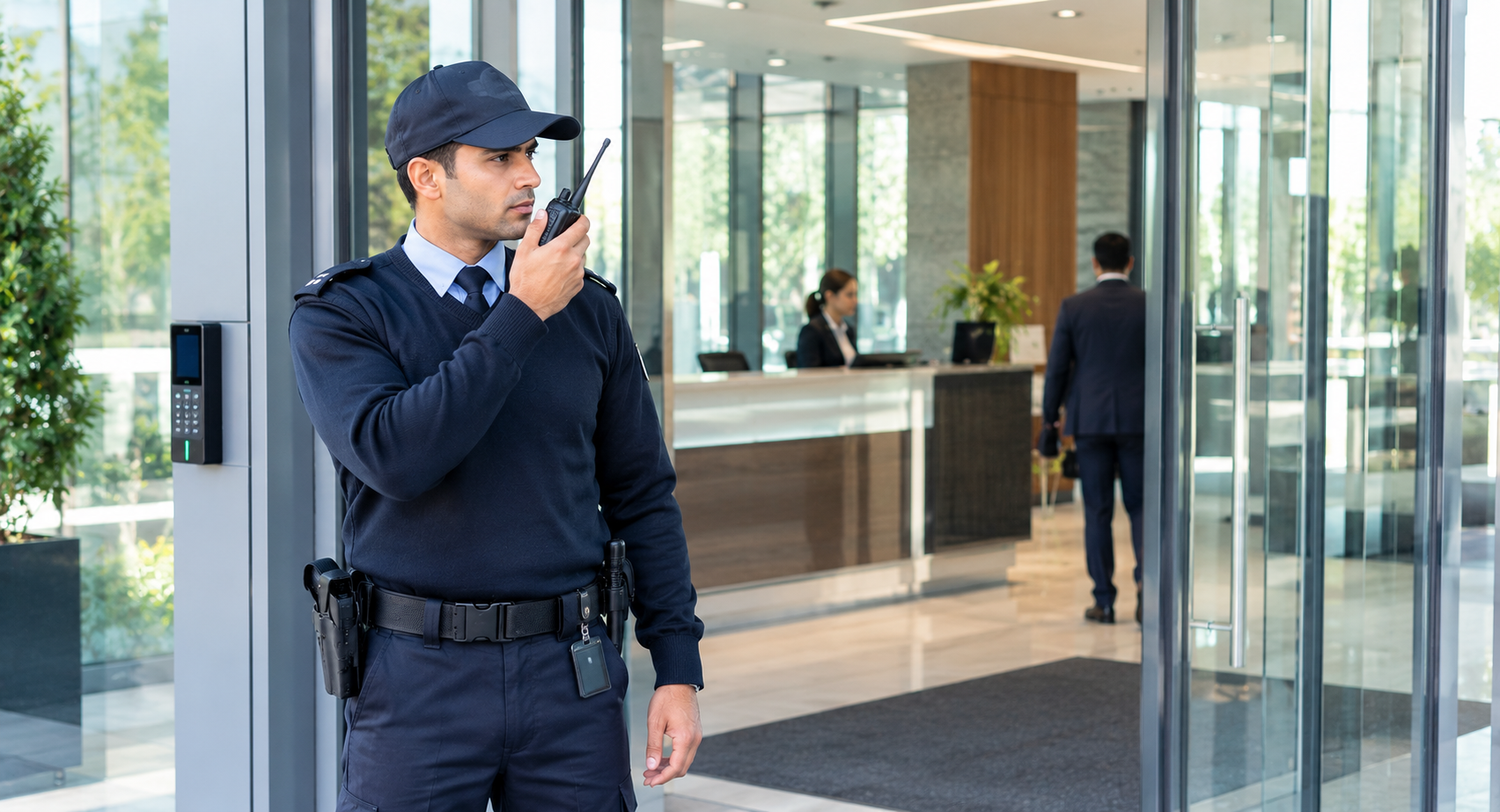
The Role of Professional Security Officers in Protecting People and Property
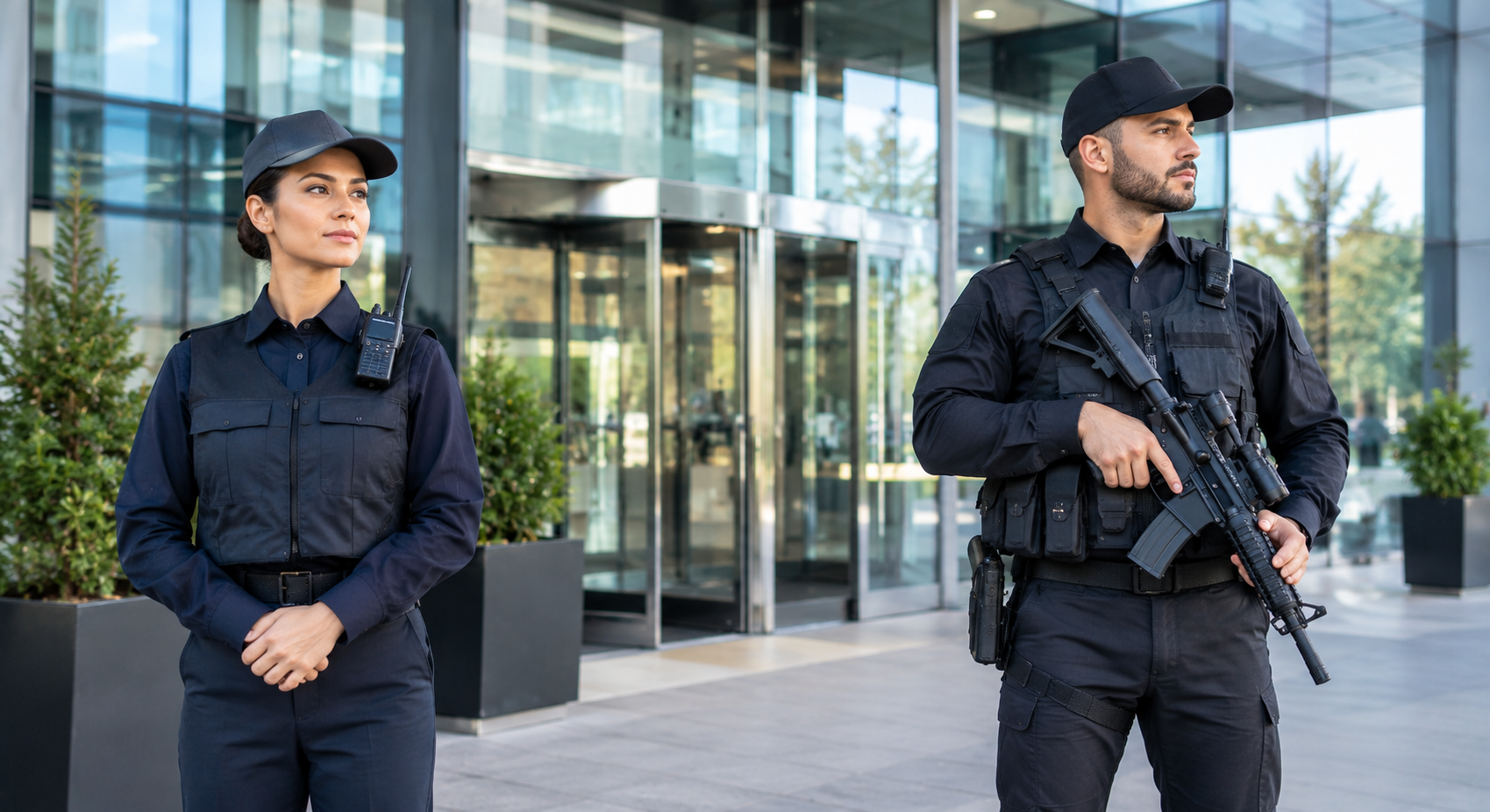
Security officers play an essential role in maintaining safe and secure environments across commercial buildings, residential communities, educational institutions, healthcare facilities, and industrial sites. Their responsibilities extend beyond observing premises; they help prevent security incidents, manage access, report potential risks, and support emergency response procedures.
Professional security officers combine observation skills, communication, discipline, and appropriate training to protect people and property. Understanding their responsibilities helps organizations develop effective security arrangements that meet their specific needs.
1. Monitor Premises and Identify Potential Risks
One of the primary responsibilities of a security officer is to remain alert to activities and conditions that could create security concerns. Officers may monitor entrances, inspect designated areas, conduct authorized patrols, and report suspicious behavior or unsafe conditions.
Regular observation helps identify problems early and allows the appropriate personnel to respond before a situation escalates.
2. Control Access to Buildings and Facilities
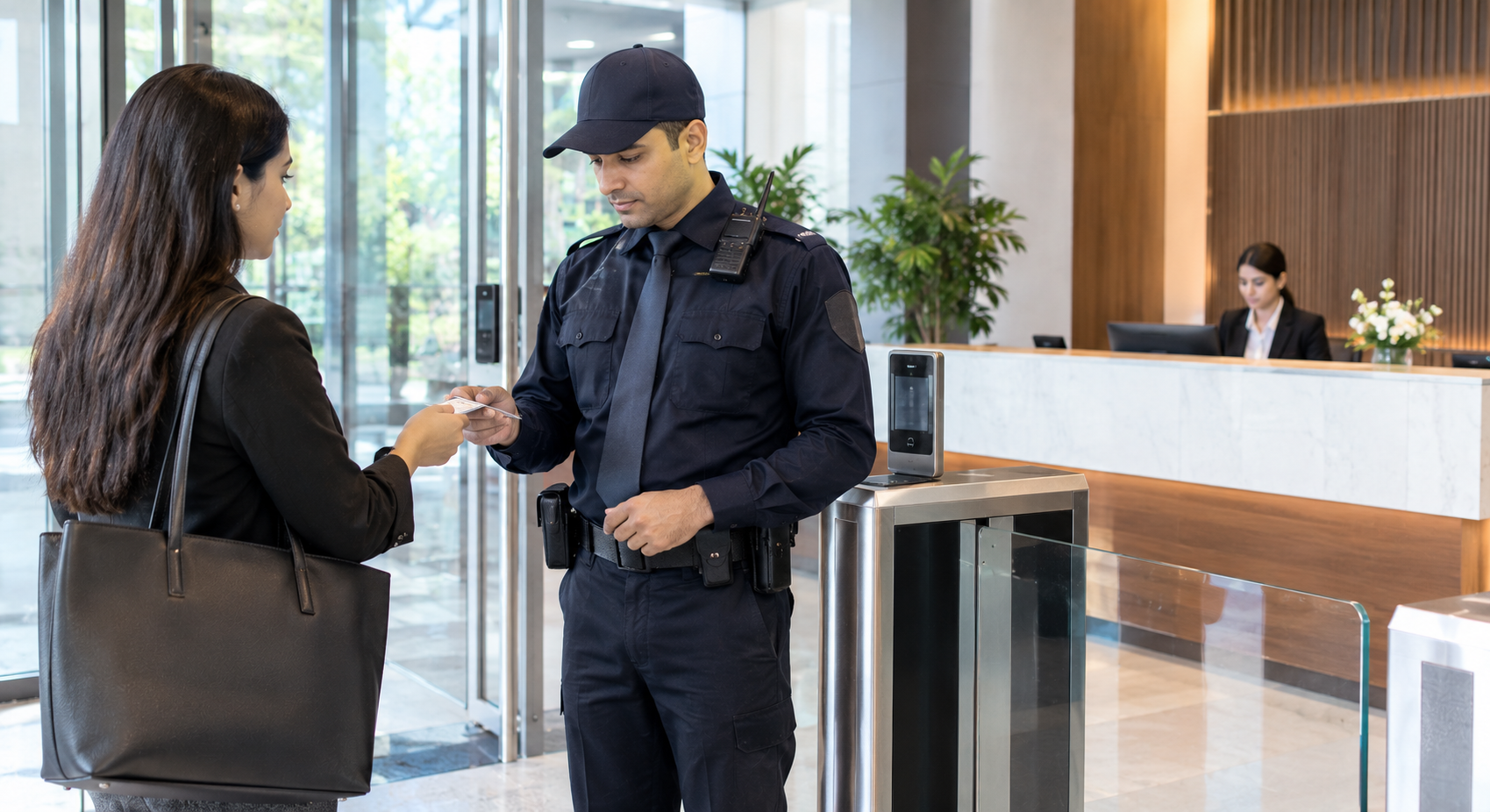
Security officers help ensure that only authorized individuals enter restricted areas. Their duties may include checking identification, verifying visitor appointments, maintaining visitor logs, issuing temporary passes, and following delivery procedures.
Clear access control procedures help protect confidential information, valuable equipment, employees, and visitors while supporting the smooth operation of a facility.
3. Provide a Professional and Approachable Presence
A professional security officer should be observant, respectful, and approachable. In many workplaces, officers are among the first people visitors meet, making their conduct an important part of the organization's overall image.
Good communication, patience, and courteous assistance help security personnel manage routine interactions effectively while maintaining appropriate security standards.
4. Respond to Emergencies and Security Incidents
Security officers may be among the first to notice an emergency, such as a fire alarm, medical incident, unauthorized entry, or safety hazard.
Their responsibilities may include notifying supervisors, contacting emergency services, guiding people toward safe areas, and following the site's emergency response plan. Officers should act within their training and authority and avoid taking unnecessary risks.
Regular training and emergency drills help ensure that security personnel understand their responsibilities when incidents occur.
5. Maintain Accurate Incident Reports
Accurate documentation is an important part of professional security work. Officers may need to record patrol activities, unusual observations, access issues, property damage, and incidents requiring management attention.
Reports should be factual, clear, and completed according to company procedures. Proper documentation supports investigations, helps identify recurring problems, and improves communication between security teams and management.
6. Use Security Technology Effectively
Modern security operations often rely on technology to improve visibility and coordination. Depending on the assignment, security officers may use CCTV systems, two-way radios, electronic access controls, visitor management software, and digital patrol reporting tools.
Officers should receive appropriate training to use these systems correctly, protect confidential information, and report equipment faults promptly.
7. Develop Strong Communication and Conflict Management Skills
Security officers regularly interact with employees, visitors, contractors, and members of the public. They may need to explain access procedures, address complaints, or help manage disagreements.
Calm communication and de-escalation techniques can reduce tension and help prevent minor disputes from becoming more serious incidents. Officers should follow established procedures and request assistance when a situation exceeds their authority or training.
8. Maintain Professional Standards and Physical Readiness
Professional security work requires reliability, attention to detail, punctuality, and respect for workplace policies. Officers should maintain their uniforms, inspect assigned equipment, follow shift handover procedures, and remain prepared for their duties.
Physical readiness may also be important for assignments involving patrols or prolonged standing. Employers should provide suitable training, equipment, and working conditions to support officer safety and performance.
9. Follow Laws, Policies, and Ethical Standards
Security officers must understand the limits of their authority and comply with applicable laws, company policies, and site-specific procedures. They should respect privacy, protect confidential information, and treat people fairly.
Any intervention must be appropriate to the circumstances and consistent with the officer's lawful authority and training. Professional conduct helps protect the public, reduce organizational risks, and maintain trust in security services.
Benefits of Professional Security Officers
Qualified and well-trained security officers can help organizations:
-
Improve the protection of people, property, and facilities.
-
Reduce opportunities for unauthorized access.
-
Identify and report security risks promptly.
-
Support emergency preparedness and response.
-
Improve communication and incident documentation.
-
Maintain a professional environment for employees and visitors.
-
Strengthen confidence among clients, residents, and stakeholders.
Conclusion
Professional security officers are an important part of an organization's overall safety strategy. Through effective observation, access control, emergency preparedness, communication, and accurate reporting, they help reduce security risks and support daily operations.
Organizations should select qualified personnel, provide appropriate training, establish clear responsibilities, and review security procedures regularly. When officers have the right skills, equipment, and guidance, they can perform their duties more effectively and contribute to a safer environment.
You Might Also Like
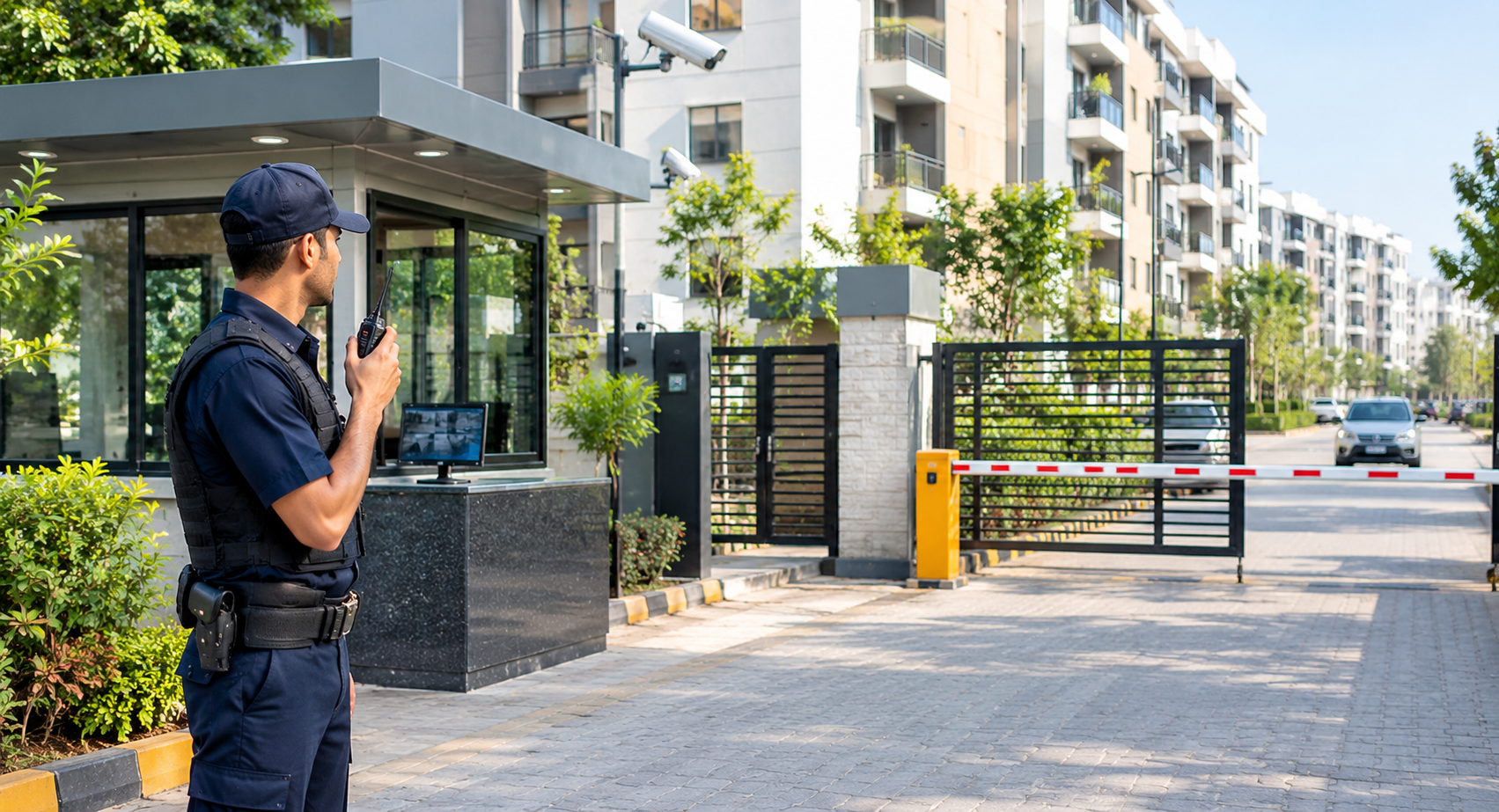 Residential Security
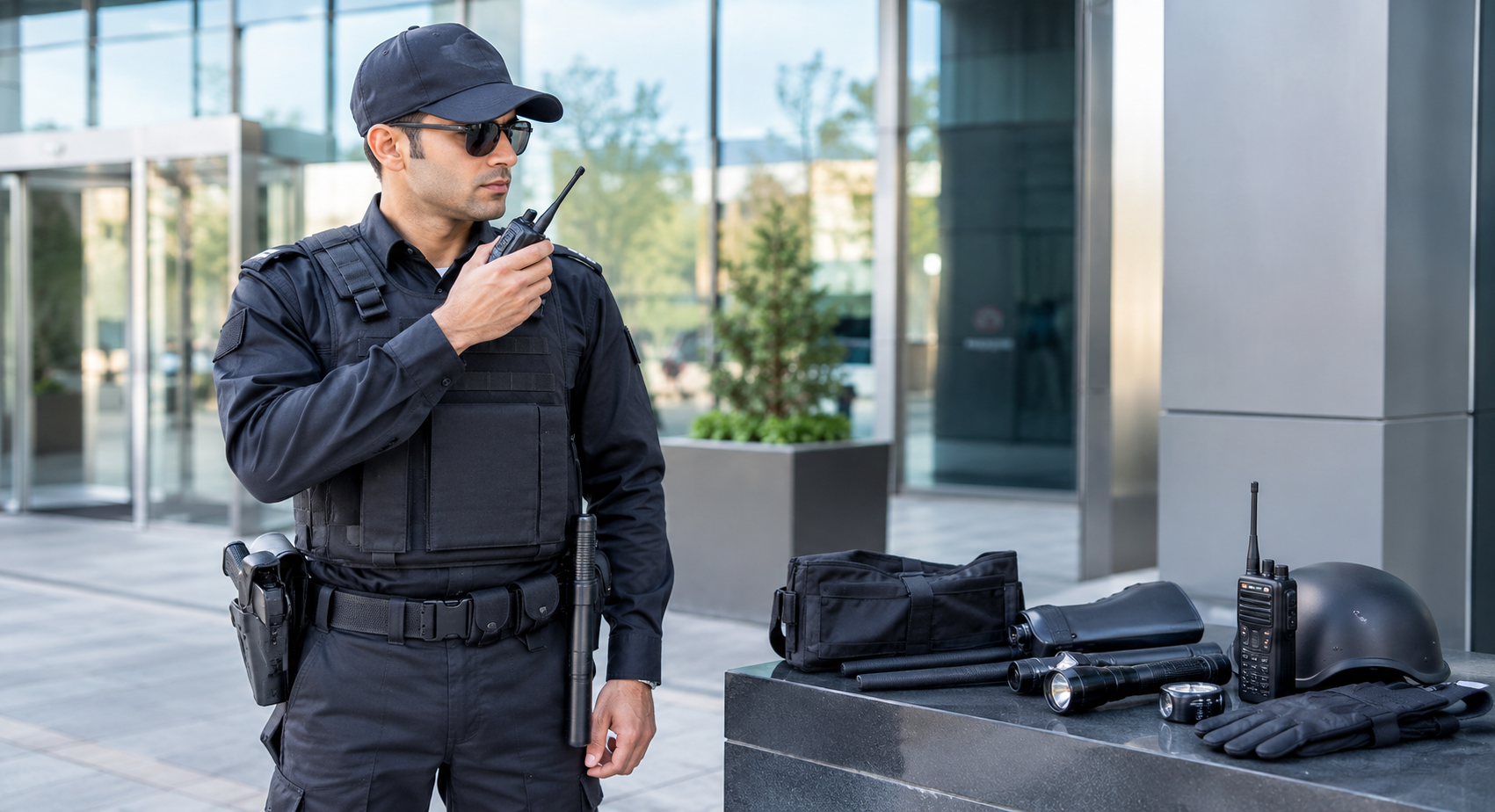 Security Guard Equipment
 Security Guard Laws
Understanding Security Guard Responsibilities, Rights, and Legal Requirements
 Armed vs Unarmed Security
Ready to See Geo Guard Pro in Action?
14-day free trial. No credit card. No lock-in.