Essential Equipment Every Professional Security Guard Should Have
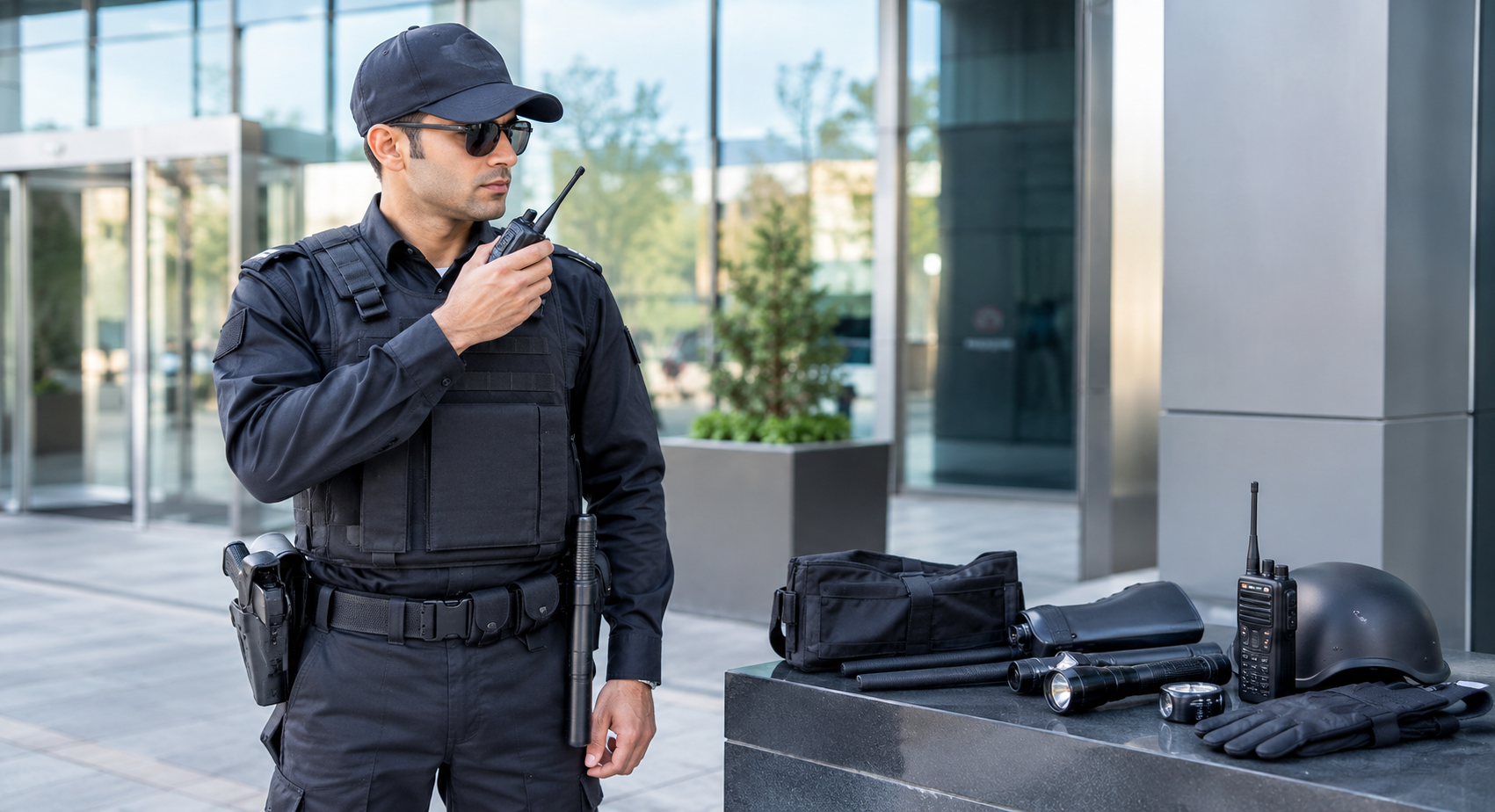
Essential Equipment Every Professional Security Guard Should Have
Professional security guards play an important role in protecting people, property, and business facilities. To perform their duties effectively, they need suitable equipment that supports communication, observation, personal safety, and emergency response.
The right equipment helps security personnel remain prepared during their shifts, communicate with team members, document incidents, and respond appropriately to workplace situations. Equipment requirements vary depending on the assignment, environment, and applicable regulations.
1. Professional Uniform and Identification
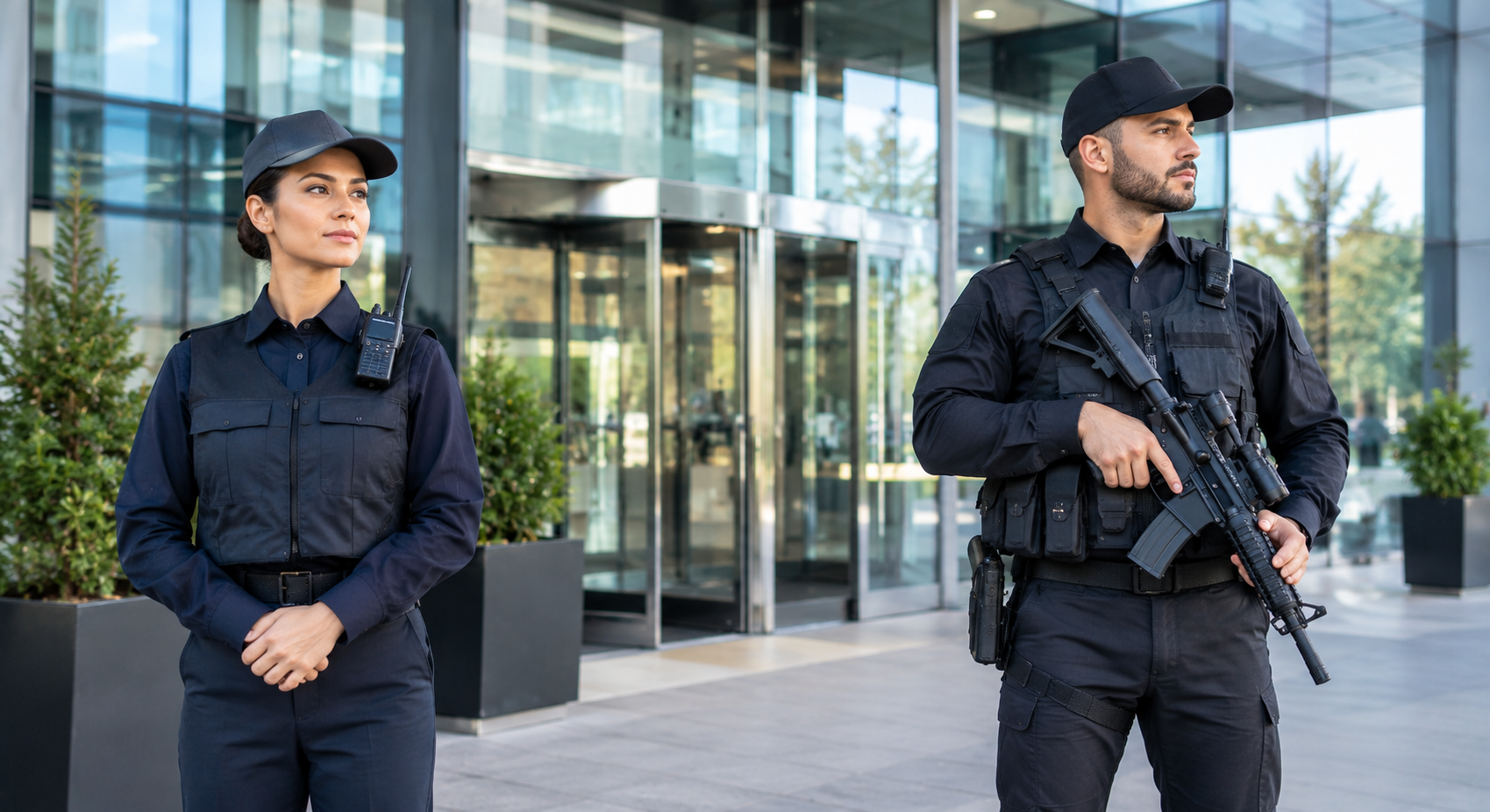
A professional uniform helps security guards maintain a consistent appearance and makes it easier for employees, visitors, and clients to identify authorized security personnel.
Uniforms should be clean, comfortable, suitable for the working environment, and compliant with applicable rules. Security guards should also carry the required identification or authorization documents for their assignments.
2. Two-Way Radio and Communication Devices
Reliable communication is essential for security teams working across large buildings, commercial properties, residential communities, or outdoor sites.
Two-way radios allow guards to communicate with supervisors and colleagues, report incidents, request assistance, and coordinate patrols. Devices should be tested before shifts, charged properly, and used according to established communication protocols.
3. Flashlight and Visibility Equipment
A dependable flashlight is useful when inspecting dimly lit corridors, parking areas, stairwells, storage facilities, and outdoor locations. It can help security personnel observe their surroundings and identify potential hazards.
For outdoor or nighttime assignments, reflective clothing and other appropriate visibility equipment may also be necessary, particularly in areas with moving vehicles or low lighting.
4. Protective Gloves and Safety Equipment
Protective equipment helps reduce exposure to workplace hazards. Depending on the assignment, security guards may need protective gloves, safety footwear, high-visibility vests, helmets, or eye protection.
The correct equipment should be selected according to the risks identified for the site. Employers should provide appropriate training on its use, maintenance, and limitations.
5. Security Belt and Essential Accessories
A suitable utility belt or equipment pouch can help guards organize frequently used items such as radios, flashlights, pens, notebooks, and authorized identification.
Equipment should be carried securely and arranged so that it remains accessible without restricting movement. Guards should avoid carrying unnecessary items that could interfere with their duties or create safety risks.
6. Notebook and Incident Reporting Tools
Accurate documentation is an important part of professional security work. A notebook, approved reporting forms, or a secure digital reporting application can help guards record incidents, observations, patrol activities, and shift handovers.
Reports should include relevant details such as dates, times, locations, and actions taken. Security personnel should record facts clearly and follow their organization's procedures for storing confidential information.
7. First Aid and Emergency Supplies
Security guards may be among the first people to notice a medical emergency or workplace incident. Depending on their role and training, access to a stocked first aid kit and other approved emergency supplies can support an appropriate initial response.
Guards should understand where emergency equipment is located, know how to contact emergency services, and provide assistance only within their level of training and authorization.
8. Personal Protective Equipment for Specific Environments
Some assignments require additional protective equipment based on environmental conditions and workplace hazards. Construction sites may require hard hats, safety boots, and high-visibility clothing, while industrial facilities may require specialized protective gear.
Employers should conduct suitable risk assessments and ensure that the equipment provided meets relevant safety standards. Security guards should inspect their equipment regularly and report damaged or unsuitable items.
9. CCTV and Access Control Technology
In many workplaces, security guards use technology to support their daily responsibilities. CCTV monitoring systems help authorized personnel observe designated areas, while access control devices assist with managing entry to restricted locations.
Depending on the site, guards may also use visitor management systems, electronic patrol devices, or mobile applications to record activities and report incidents. Appropriate training is essential to ensure these systems are used correctly and responsibly.
10. Regular Equipment Inspection and Maintenance
Security equipment must remain in good working condition to be useful. Before each shift, guards should check essential items such as communication devices, flashlights, protective equipment, and identification.
Damaged, missing, or malfunctioning equipment should be reported promptly. Organizations should establish maintenance schedules, replace unsuitable equipment, and maintain records when necessary.
Benefits of Using the Right Security Equipment
Having suitable equipment can help security teams:
-
Communicate more effectively during routine duties and emergencies.
-
Improve personal safety and hazard awareness.
-
Maintain accurate patrol and incident records.
-
Support access control and surveillance activities.
-
Respond more effectively to workplace incidents.
-
Maintain a professional appearance.
-
Improve coordination between guards and supervisors.
Conclusion
The right equipment is an important part of effective security operations. From uniforms and communication devices to protective gear, reporting tools, and surveillance technology, every item should serve a clear purpose and match the requirements of the assignment.
Security companies should provide appropriate equipment, maintain it regularly, and train employees in its safe and effective use. Security guards should also inspect their equipment before shifts and report any problems without delay.
You Might Also Like
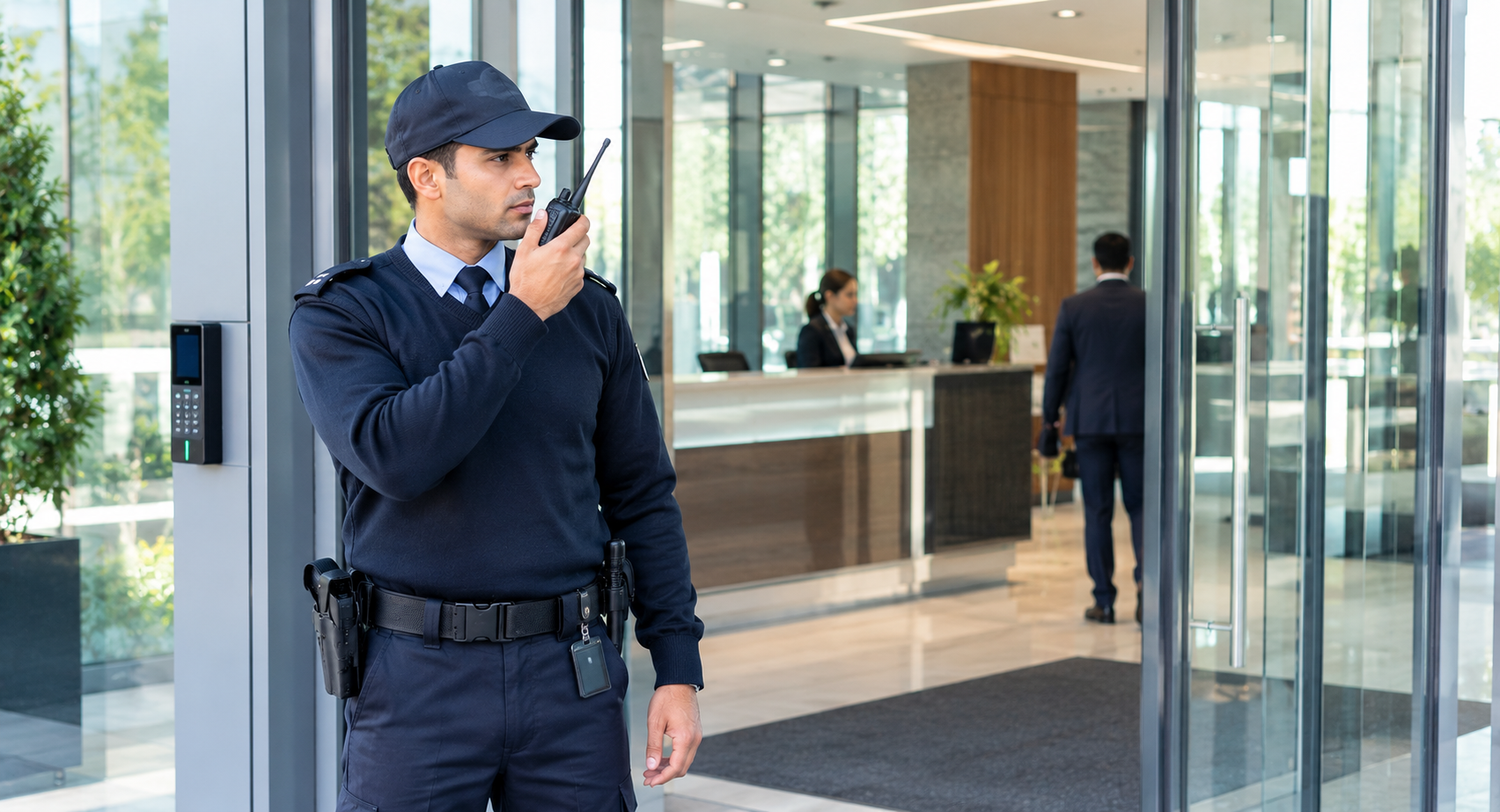 Security Officer Career Growth
The Role of Professional Security Officers in Protecting People and Property
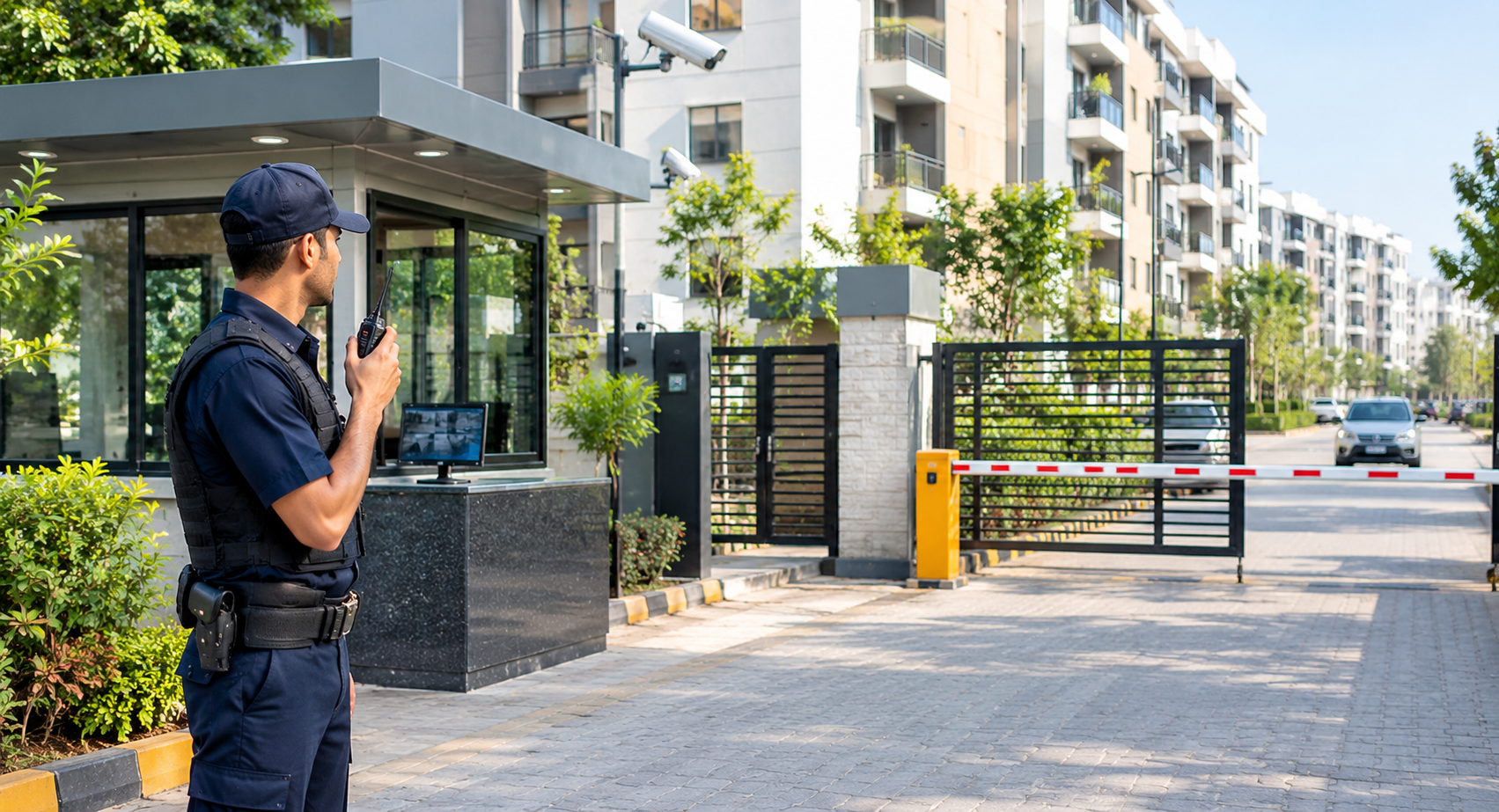 Residential Security
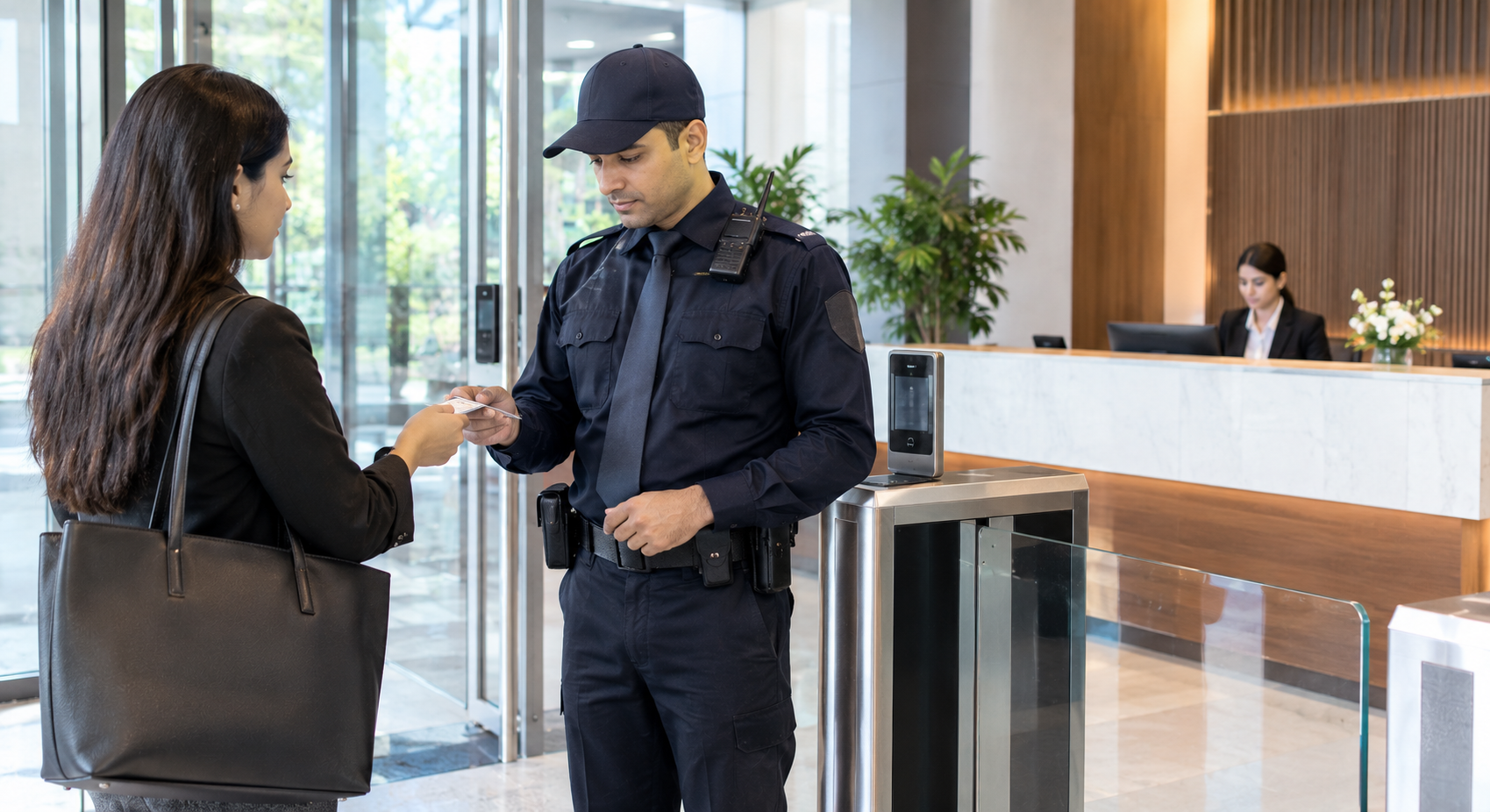 Security Guard Laws
Understanding Security Guard Responsibilities, Rights, and Legal Requirements
 Armed vs Unarmed Security
Ready to See Geo Guard Pro in Action?
14-day free trial. No credit card. No lock-in.