How to Choose the Right Security Team for Your Business
How to Choose the Right Security Team for Your Business
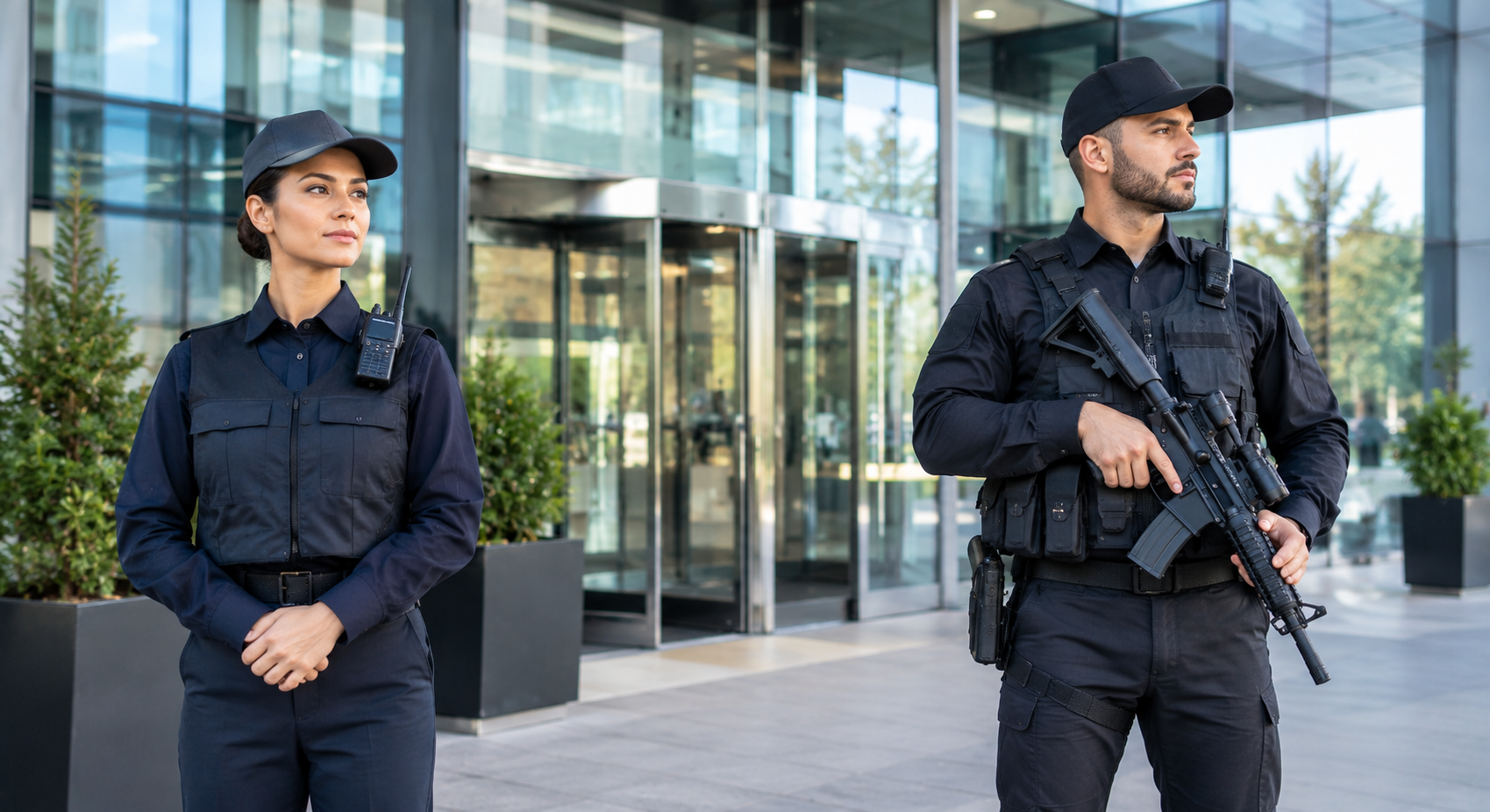
Every business has unique security needs. While some workplaces require a visible security presence to manage visitors and monitor daily activities, others may face higher risks that require additional protective measures. Choosing between armed and unarmed security services is an important decision that should be based on a careful assessment of potential threats, the business environment, and operational requirements.
Understanding the differences between these two security options can help businesses make informed decisions, protect employees and visitors, and maintain a safe working environment.
1. Understanding Unarmed Security Services
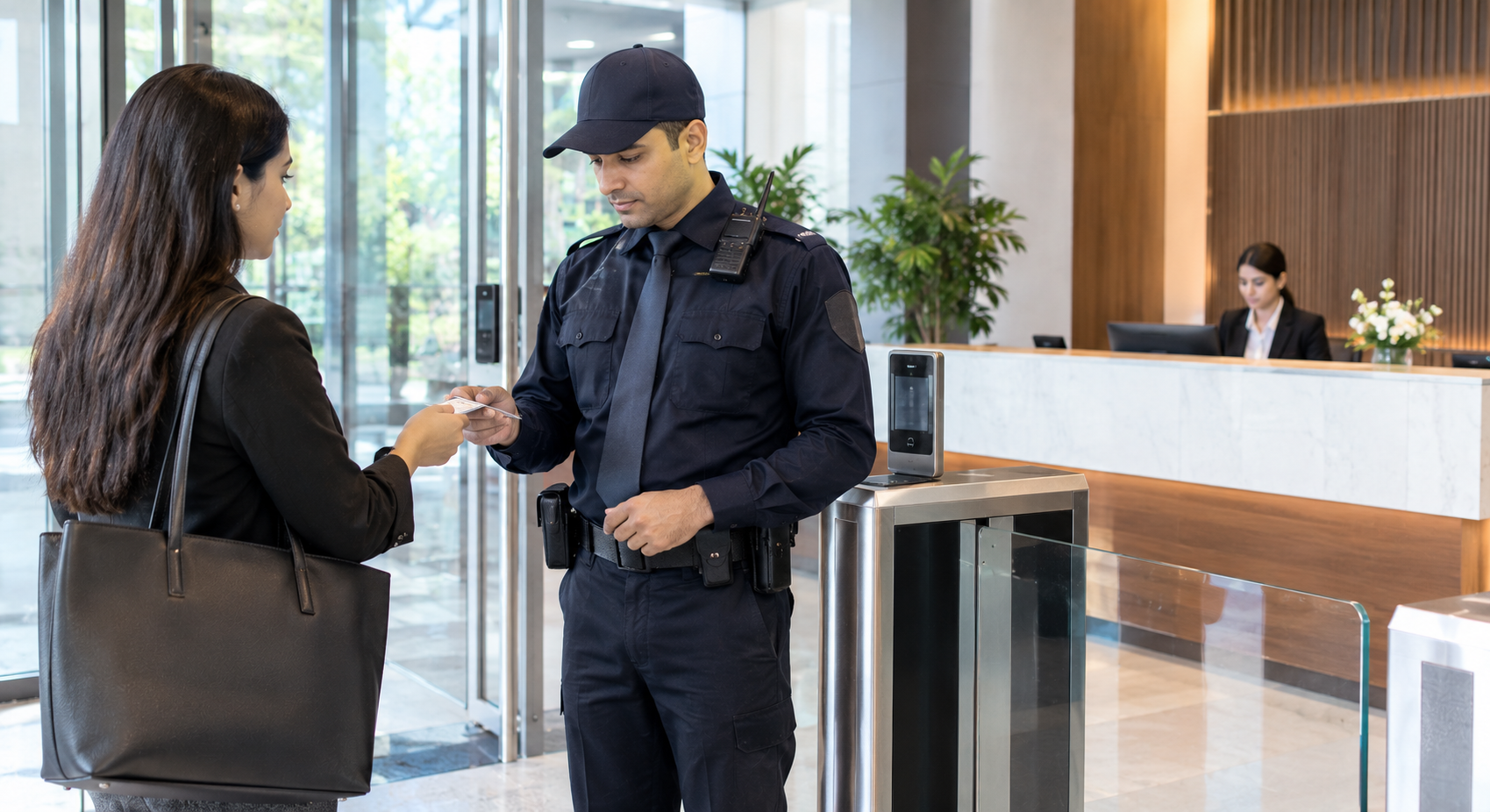
Unarmed security officers provide a professional security presence without carrying firearms as part of their duties. They commonly work in office buildings, residential communities, retail stores, schools, healthcare facilities, and other environments where access management and observation are key priorities.
Their responsibilities may include monitoring entrances, verifying visitor credentials, conducting authorized patrols, reporting suspicious activity, and assisting with emergency procedures.
Key benefits of unarmed security include:
-
Creating a visible and approachable security presence.
-
Managing visitor access and monitoring facilities.
-
Supporting customer service and daily operations.
-
Helping identify potential risks through observation and reporting.
-
Providing security solutions suitable for many lower-risk environments.
2. Understanding Armed Security Services
Armed security officers carry firearms as part of their authorized duties and require appropriate licensing, training, and compliance with applicable laws. These services may be considered for environments with elevated security risks, valuable assets, or specific protective requirements.
Depending on the assignment, armed officers may support the protection of high-value facilities, sensitive locations, or individuals facing credible threats. Their deployment requires careful planning, strict procedures, and appropriate supervision.
Important considerations include:
-
A documented assessment of the security risks.
-
Verification of licensing and legal authorization.
-
Relevant firearms training and ongoing competency assessments.
-
Clear rules governing firearm use and incident response.
-
Appropriate insurance, supervision, and accountability procedures.
Armed security should not automatically be considered the better option. Its suitability depends on the level of risk and the legal requirements of the location.
3. Assess Your Business's Security Risks
Before choosing a security service, businesses should evaluate their specific vulnerabilities. Factors to consider include the type of property, operating hours, location, number of employees and visitors, value of protected assets, and history of security incidents.
For example, a small office may primarily need visitor management and routine patrols. A facility facing documented threats or protecting particularly valuable assets may require a more specialized security plan.
A professional risk assessment helps organizations select appropriate measures without investing in unnecessary security arrangements.
4. Consider the Nature of Your Workplace
Different environments have different security priorities.
-
Corporate offices: Visitor screening, access control, and professional reception support may be the primary requirements.
-
Retail stores: Theft prevention, CCTV monitoring, and customer assistance are often important.
-
Residential communities: Gate management, patrols, and incident reporting can help residents feel secure.
-
High-risk facilities: A documented threat assessment may identify a need for specialized or armed protection.
Schools, healthcare facilities, and public-facing workplaces should place particular emphasis on safeguarding people, de-escalation, and emergency preparedness.
5. Evaluate Training and Professional Standards
Regardless of whether officers are armed or unarmed, training is essential. Security personnel should understand their responsibilities, communication protocols, incident documentation, emergency response, and appropriate methods for managing conflict.
For armed assignments, additional requirements may include firearms proficiency, safe handling, legal knowledge, and strict adherence to authorized use-of-force policies.
Businesses should verify a provider's credentials, training standards, supervision procedures, and relevant experience before entering into a contract.
6. Balance Security Requirements with Budget
Security costs vary according to staffing levels, training requirements, working hours, equipment, insurance, and the complexity of the assignment.
Unarmed security may be a practical and cost-effective choice for many routine security needs. Armed services can involve additional expenses because of specialized training, licensing, equipment, and compliance obligations.
Rather than choosing solely on price, businesses should compare providers based on service quality, suitability, reliability, and the risks they need to address.
7. Combine Security Personnel with Modern Technology
Security personnel can work alongside technology to create a more comprehensive security program. CCTV cameras, access control systems, visitor management software, alarms, and communication tools can improve visibility and help officers respond to incidents more effectively.
For many businesses, well-planned unarmed security combined with appropriate technology may provide sufficient protection. Higher-risk environments may need additional measures identified through a professional assessment.
Benefits of Choosing the Right Security Service
Selecting an appropriate security team can help businesses:
-
Protect employees, visitors, and business assets.
-
Improve access control and incident reporting.
-
Reduce security gaps and operational disruptions.
-
Maintain a professional workplace environment.
-
Allocate security resources more effectively.
-
Improve emergency preparedness and response.
-
Build confidence among employees, customers, and stakeholders.
Conclusion
Choosing between armed and unarmed security requires a clear understanding of the risks, responsibilities, and legal requirements associated with each option. Unarmed officers can provide valuable protection through monitoring, access management, patrols, and incident reporting, while armed security may be appropriate for specific situations involving elevated and documented risks.
The most effective approach is to select security services based on a professional risk assessment rather than assumptions. By prioritizing qualified personnel, appropriate training, clear procedures, and suitable technology, businesses can develop a security plan that supports their people, property, and operational goals.
You Might Also Like
 Security Officer Career Growth
The Role of Professional Security Officers in Protecting People and Property
 Residential Security
 Security Guard Equipment
 Security Guard Laws
Understanding Security Guard Responsibilities, Rights, and Legal Requirements
Ready to See Geo Guard Pro in Action?
14-day free trial. No credit card. No lock-in.