Building Skilled and Professional Security Teams
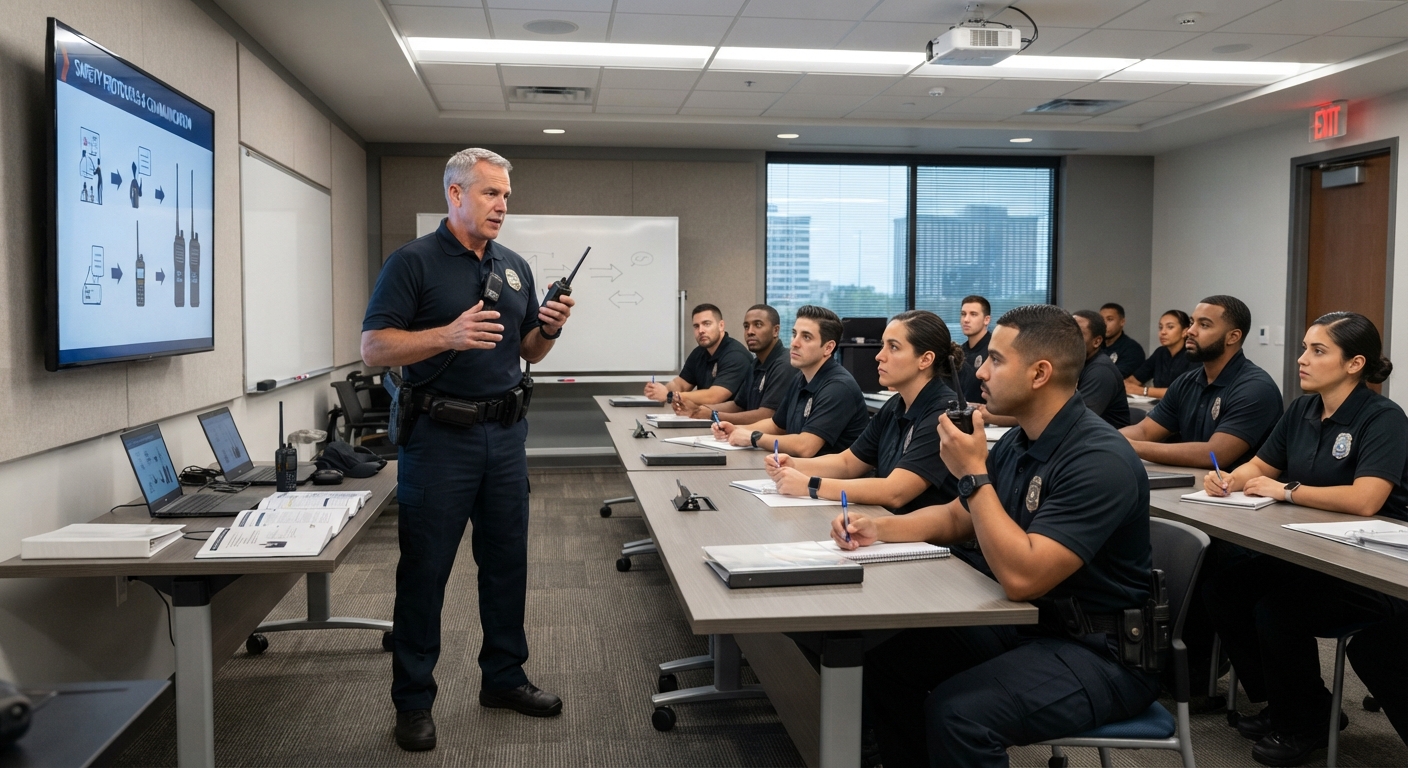
Professional security guard training is an important part of building a capable and reliable security team. Security officers are often responsible for protecting people, property, facilities, and business operations, so they need the knowledge and practical skills to perform their responsibilities effectively.
A well-trained security officer is better prepared to recognize potential risks, communicate professionally, follow established procedures, respond appropriately to incidents, and maintain a safe working environment.
Why Security Guard Training Matters
Security situations can vary significantly depending on the location and responsibilities of an officer. A commercial building may require different procedures from a construction site, residential community, school, or event venue.
Training helps security personnel understand their responsibilities and prepare for the situations they may encounter while working.
Effective training can help officers:
- Understand security procedures.
- Improve observation and communication skills.
- Respond appropriately to incidents.
- Follow workplace safety requirements.
- Complete accurate security reports.
- Use security equipment correctly.
- Develop professional workplace behavior.
Essential Areas of Security Guard Training
Communication Skills
Security officers regularly interact with employees, visitors, clients, supervisors, and members of the public. Training should help officers communicate clearly, professionally, and respectfully.
Good communication is especially important when providing instructions, reporting incidents, managing visitors, or dealing with challenging situations.
Observation and Situational Awareness
Security officers need to understand what is normal within their assigned environment so they can recognize unusual activity.
Training can help officers develop observation skills and learn how to identify potential security concerns without making unnecessary assumptions.
Incident Response
Security personnel may encounter incidents such as unauthorized access, property damage, suspicious activity, emergencies, or other unexpected situations.
Training should prepare officers to remain calm, follow established procedures, communicate important information, and request appropriate assistance when necessary.
Report Writing
Accurate documentation is an essential part of security operations. Officers may be required to record incidents, observations, patrol activities, and other important information.
Training in report writing can help officers produce clear, factual, and professional documentation.
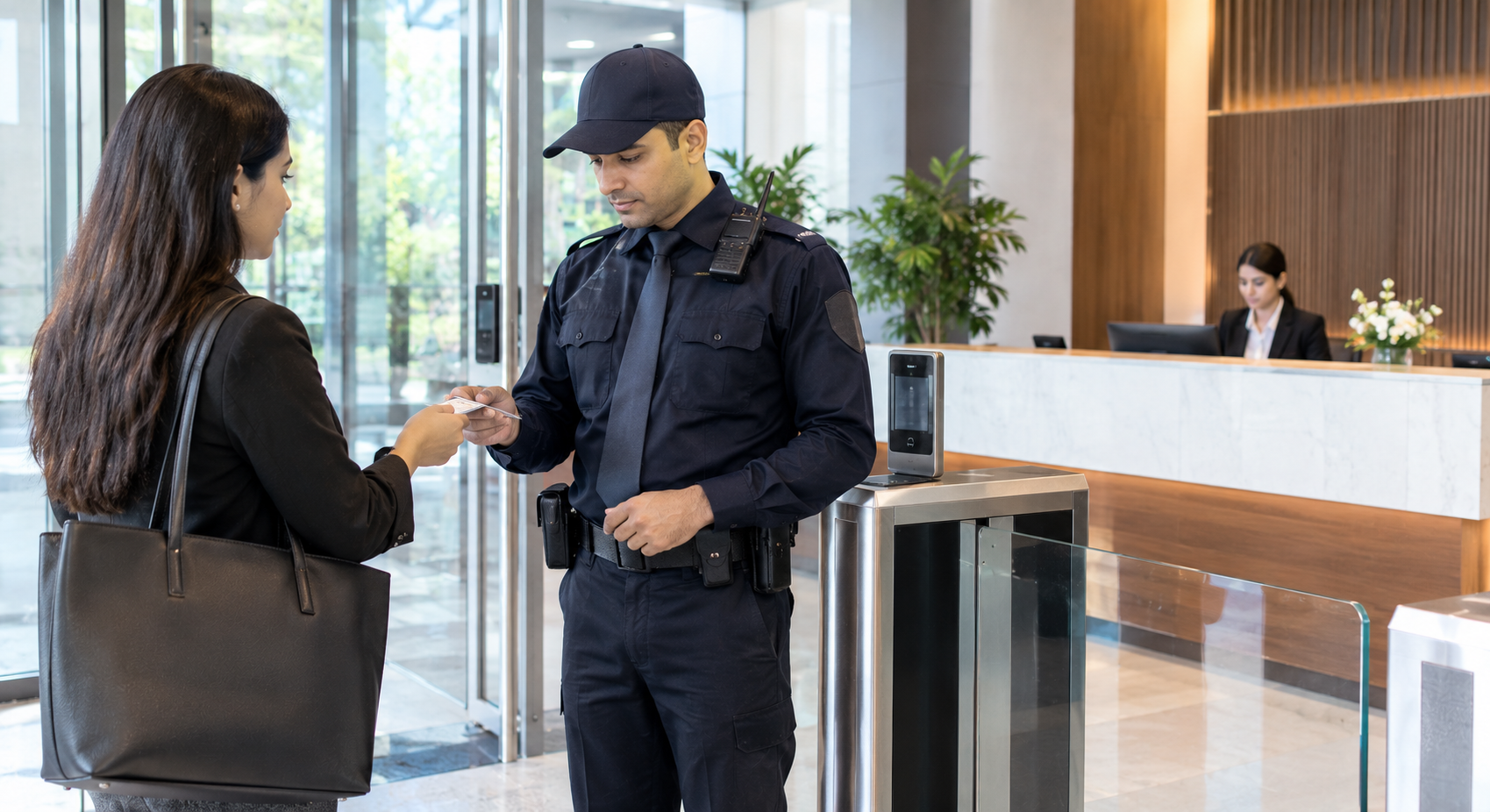
Access Control Procedures
Many security positions involve monitoring entrances and controlling access to restricted areas.
Officers should understand how to verify authorized individuals, manage visitors, follow site-specific access procedures, and report unauthorized access attempts.
Emergency Preparedness
Security guards may be among the first personnel to notice an emergency at a facility. Appropriate training can help them understand emergency procedures, communication protocols, evacuation requirements, and their responsibilities during different situations.
Practical Training Is Essential
Classroom knowledge is valuable, but practical training can help officers understand how to apply that knowledge in real workplace situations.
Scenario-based exercises can allow security personnel to practice communication, incident reporting, access control, emergency procedures, and decision-making in a controlled environment.
Regular practical exercises can also help officers become more confident and familiar with their responsibilities.
Training for Different Security Environments
Security training should reflect the environment where an officer will work.
For example, officers assigned to a construction site may need to understand site access procedures and workplace hazards, while officers working at a residential property may focus more on visitor management, community access, and patrol procedures.
Similarly, event security personnel may require training related to crowd management, entrances, and communication during large gatherings.
Site-specific training helps officers understand the unique requirements of their assignments.
The Importance of Continuous Training
Security training should not end after an officer completes initial preparation. Procedures, technology, workplace risks, and client requirements can change over time.
Regular refresher training can help security personnel maintain their skills and remain familiar with current procedures.
Security companies can also use ongoing training to identify areas where officers may need additional support or development.
Technology in Security Guard Training
Modern security operations increasingly depend on technology. Officers may work with CCTV systems, access control systems, digital reporting platforms, communication devices, scheduling systems, and patrol management tools.
Training should help officers understand the technology relevant to their assigned duties. Familiarity with these systems can improve efficiency and help security teams maintain accurate operational records.
How Organizations Can Build Better Training Programs
A strong security training program should begin by identifying the responsibilities and risks associated with each assignment.
Organizations can strengthen training by:
- Identifying site-specific requirements.
- Providing clear training materials.
- Combining classroom and practical learning.
- Conducting scenario-based exercises.
- Reviewing officer performance.
- Providing refresher training.
- Keeping training records organized.
- Updating training when procedures or technology change.
This approach helps ensure training remains relevant to actual security operations.
Conclusion
Security guard training is an important investment in the quality and reliability of security services. Proper training helps officers develop the communication, observation, reporting, emergency response, access control, and technology skills required for modern security work.
By combining practical exercises with ongoing professional development and site-specific training, organizations can build security teams that are better prepared to perform their responsibilities confidently and professionally.
You Might Also Like
 Security Officer Career Growth
The Role of Professional Security Officers in Protecting People and Property
 Residential Security
 Security Guard Equipment
 Security Guard Laws
Understanding Security Guard Responsibilities, Rights, and Legal Requirements
Ready to See Geo Guard Pro in Action?
14-day free trial. No credit card. No lock-in.