Creating a Safe Learning Environment Through Proactive Security Measures
Creating a Safe Learning Environment Through Proactive Security Measures
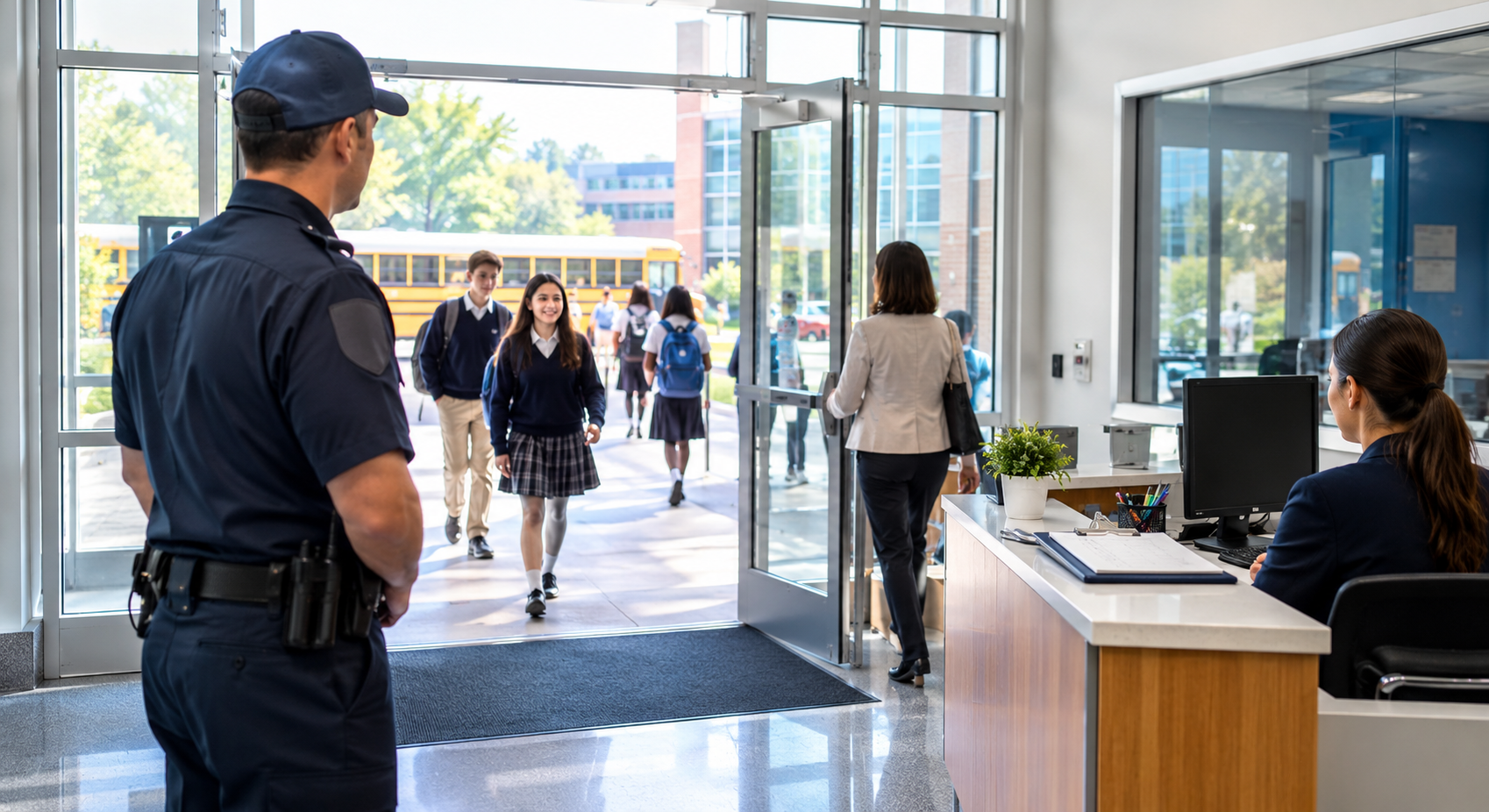
A safe learning environment is essential for students, teachers, staff, and visitors. Schools need effective security measures to protect their communities, manage access to school facilities, and respond appropriately to potential risks. A well-planned school security strategy helps reduce vulnerabilities while allowing educational activities to continue in a welcoming and supportive environment.
From managing visitor access to preparing for emergencies, schools can strengthen their security by combining trained personnel, clear procedures, modern technology, and regular safety assessments.
1. Strengthen School Entry and Exit Procedures
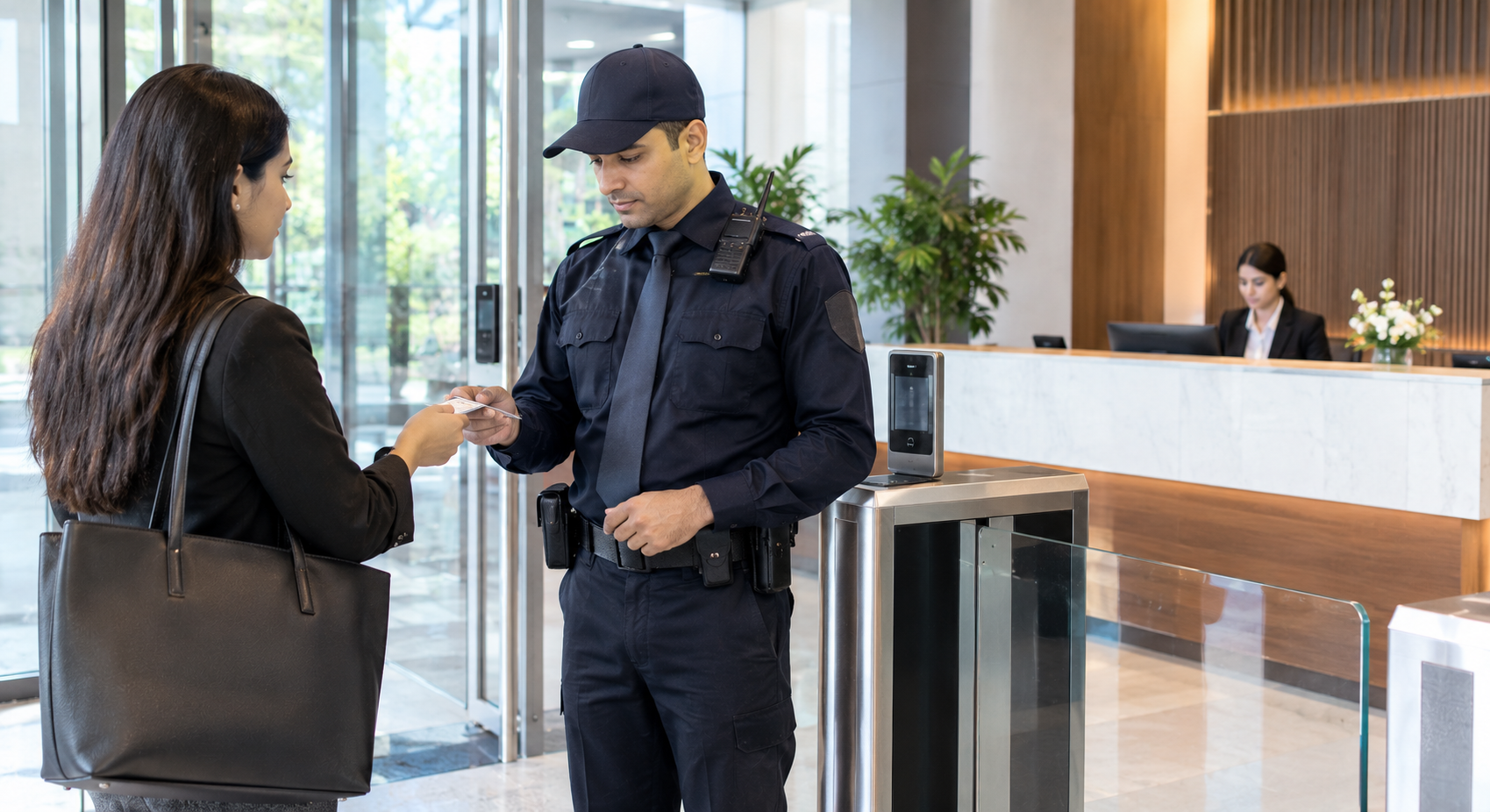
School entrances are among the most important areas to manage. Clear entry and exit procedures help ensure that students, employees, parents, and visitors follow the appropriate check-in process.
Schools can introduce visitor registration, identification checks, staff identification badges, and controlled access to restricted areas. During arrival and dismissal times, designated personnel can help manage movement and reduce congestion around entrances.
2. Employ Trained School Security Personnel
Trained security officers can help maintain a visible security presence, monitor access points, conduct authorized patrols, and report suspicious activity. Their responsibilities should be clearly defined and appropriate to the school's environment.
School security personnel should also receive training in communication, conflict de-escalation, emergency response, child safeguarding, and professional interaction with students and families.
3. Use CCTV and Security Technology Responsibly
CCTV surveillance and electronic access control can support school security by improving visibility around entrances, corridors, parking areas, and other appropriate locations.
These systems should be maintained regularly, monitored by authorized personnel, and used in accordance with applicable privacy and child protection requirements. Technology should complement trained staff and established procedures rather than replace them.
4. Develop an Effective Emergency Response Plan
Schools should prepare for emergencies such as fires, medical incidents, severe weather, unauthorized entry, and other relevant threats. An emergency response plan should outline staff responsibilities, communication procedures, evacuation routes, and designated assembly points.
Regular drills and staff training help ensure that everyone understands the appropriate response. Plans should be reviewed periodically and adapted to the school's layout, student needs, and local requirements.
5. Promote Student and Staff Safety Awareness
Security is a shared responsibility. Teachers, administrative staff, students, and other school personnel should understand how to report safety concerns and follow established security procedures.
Age-appropriate awareness programs can teach students how to seek assistance, recognize unsafe situations, and respond calmly to instructions from authorized staff. Schools should encourage reporting without creating unnecessary fear or anxiety.
6. Manage Visitors and Contractors Carefully
Schools regularly welcome parents, service providers, contractors, and other visitors. A consistent visitor management process helps schools maintain accurate records and limit access to authorized areas.
Visitors should follow check-in procedures, receive appropriate identification where required, and be directed to their intended destinations. Contractors and temporary workers should also understand the school's safety requirements before beginning work.
7. Improve Communication During Security Incidents
Timely and accurate communication is essential when a safety concern arises. Schools should establish clear reporting channels among administrators, teachers, security personnel, parents, and emergency services where appropriate.
Emergency contact information should remain up to date, and communication responsibilities should be assigned in advance. Any messages shared during an incident should be accurate, clear, and consistent with the school's emergency plan.
8. Conduct Regular Security Assessments
School environments change as facilities expand, student populations grow, and daily routines evolve. Regular security assessments can help identify weaknesses in entry procedures, lighting, fencing, visitor management, surveillance coverage, and emergency preparedness.
Administrators should review incident reports, inspect facilities, consult relevant staff, and update procedures when necessary. Improvements should be based on identified risks and the school's specific needs.
Benefits of a Strong School Security Program
An effective school security program can help:
-
Protect students, teachers, staff, and visitors.
-
Improve control over school entrances and restricted areas.
-
Strengthen emergency preparedness and communication.
-
Reduce opportunities for unauthorized access.
-
Encourage a culture of safety and responsibility.
-
Support a more secure and focused learning environment.
-
Build confidence among parents and the wider school community.
Conclusion
School security requires a proactive, coordinated approach that prioritizes safety while supporting a positive educational experience. Trained security personnel, visitor management procedures, appropriate surveillance systems, emergency planning, and regular risk assessments all contribute to a safer school environment.
You Might Also Like
 Security Officer Career Growth
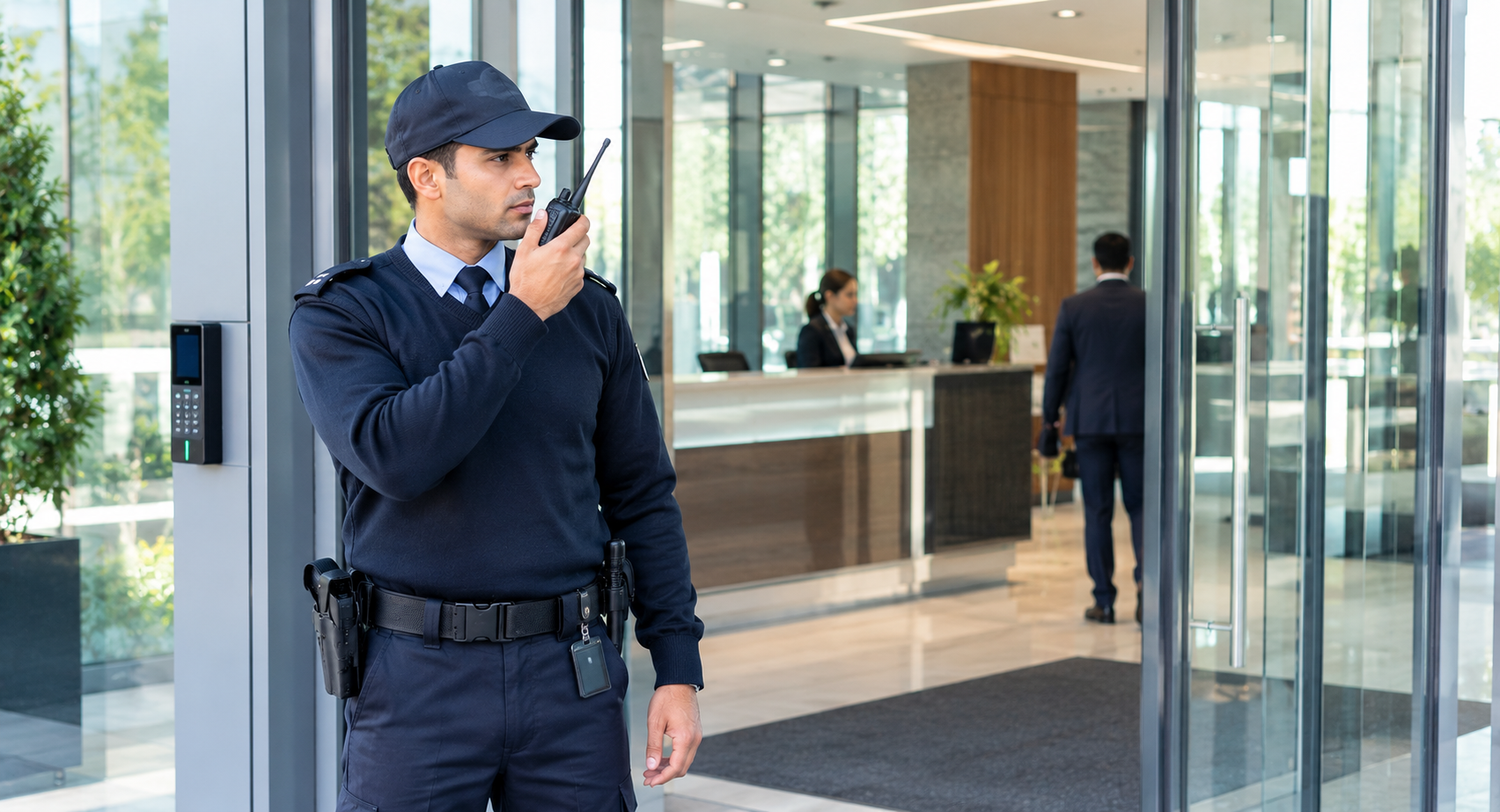
The Role of Professional Security Officers in Protecting People and Property
 Residential Security
 Security Guard Equipment
 Security Guard Laws
Understanding Security Guard Responsibilities, Rights, and Legal Requirements
Ready to See Geo Guard Pro in Action?
14-day free trial. No credit card. No lock-in.