Protecting Homes, Families, and Communities
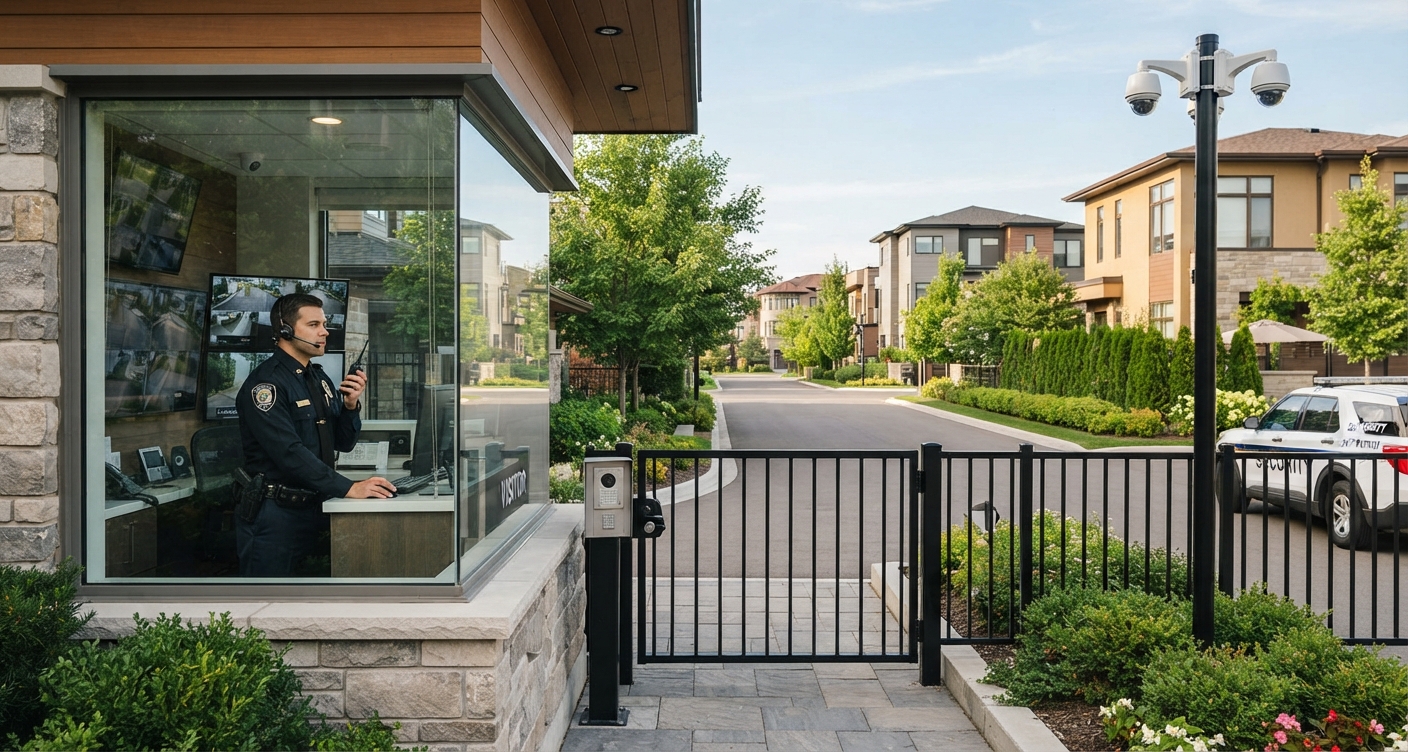
Residential security plays an important role in helping protect homes, residents, visitors, and community property. As residential communities become larger and more connected, having an organized security approach can help reduce risks and provide residents with greater peace of mind.
A strong residential security plan combines trained security personnel, effective access management, regular patrols, surveillance technology, and clear procedures for responding to incidents.
What Is Residential Security?
Residential security refers to the measures used to protect homes, apartment buildings, gated communities, and residential properties from potential security threats.
Security services may include:
- Monitoring entrances and exits.
- Controlling access to residential areas.
- Conducting regular security patrols.
- Monitoring CCTV systems.
- Recording and reporting incidents.
- Responding to suspicious activity.
- Assisting residents and visitors when required.
The exact security requirements can vary depending on the size, location, and layout of the residential property.
Why Residential Security Is Important
A residential property can have multiple entry points, shared facilities, parking areas, and other locations that require monitoring. Without proper security procedures, unauthorized individuals may gain access to restricted areas.
Effective residential security can help:
- Control unauthorized access.
- Monitor community entrances.
- Protect shared facilities and property.
- Identify suspicious activity.
- Improve emergency response.
- Create a more organized security environment.
Access Control for Residential Properties
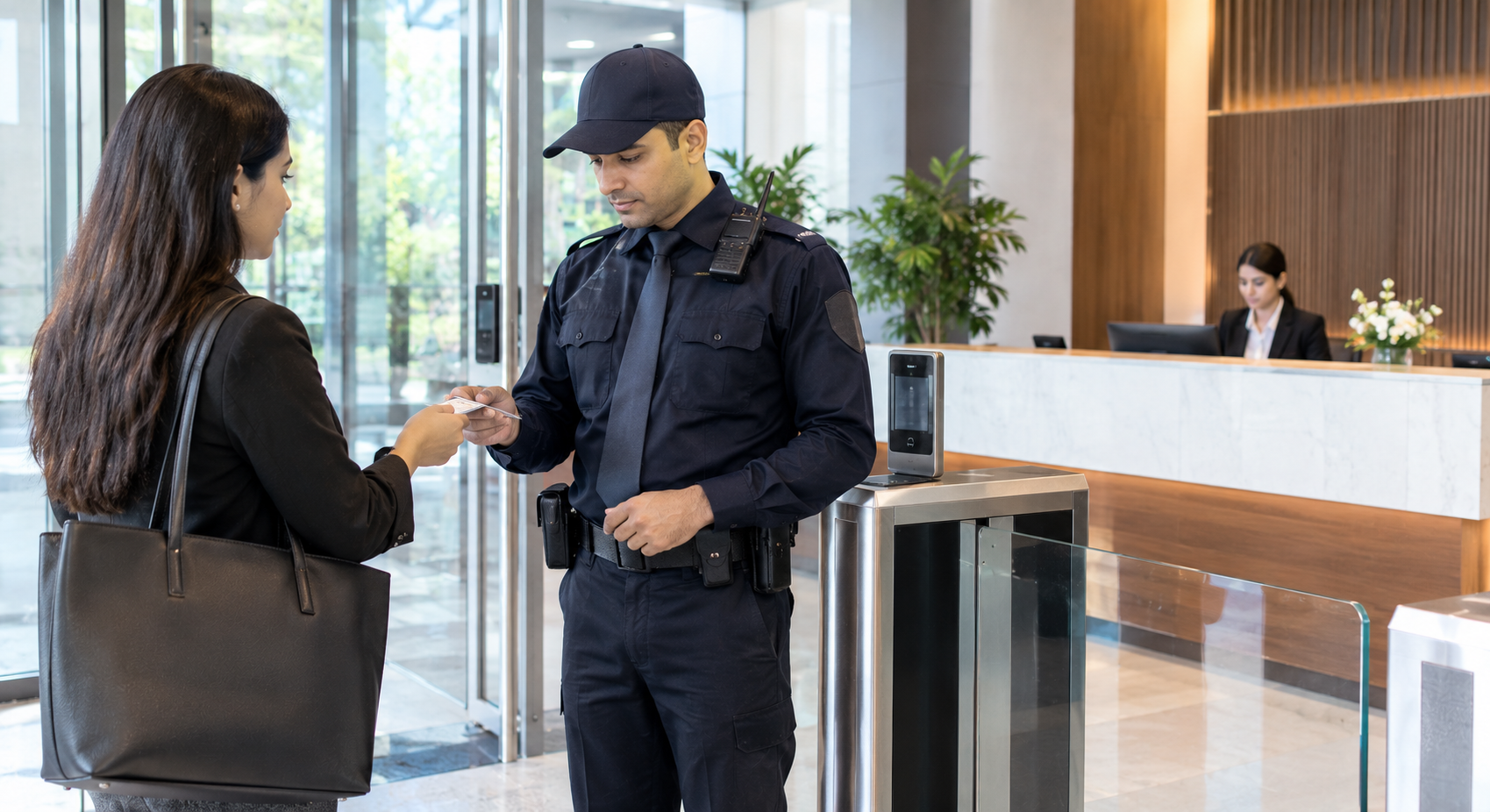
Access control is an important part of residential security. Security teams can verify residents, visitors, contractors, and other authorized individuals before allowing access to restricted areas.
Modern access control solutions may include key cards, electronic gates, intercom systems, PINs, or other verification methods.
Visitor management procedures are also useful for maintaining better records of people entering and leaving a residential community.
Security Patrols
Regular patrols can help security officers monitor residential areas and identify potential problems.
Patrols may cover:
- Main entrances and exits.
- Parking areas.
- Building entrances.
- Shared facilities.
- Perimeter areas.
- Less frequently used locations.
Visible patrols can also help security teams identify hazards and respond to concerns more quickly.
CCTV and Surveillance
CCTV systems can provide additional visibility across residential properties. Cameras can be positioned around entrances, parking areas, gates, and other important locations.
Security personnel can use surveillance systems to monitor activity and review recorded footage when an incident needs to be investigated.
CCTV works best when combined with trained security personnel and clear monitoring procedures.
Emergency Response
Residential security teams may also play an important role during emergencies. Security officers should understand the property's emergency procedures and know how to communicate with residents, supervisors, emergency services, and other relevant personnel.
Clear procedures can help security teams respond in a calm and organized manner when unexpected situations occur.
The Role of Professional Security Officers
Technology alone cannot replace effective security procedures. Trained security officers provide a human presence and can respond directly to situations that require attention.
Professional residential security officers should be:
- Alert and observant.
- Professional and respectful.
- Familiar with the property.
- Able to communicate clearly.
- Prepared to follow emergency procedures.
- Accurate when recording incidents.
Their presence can help create a more structured and responsive security environment.
Using Technology to Improve Residential Security
Modern security management technology can help residential security teams organize their daily activities. Digital tools can support scheduling, patrol tracking, task management, reporting, communication, and other operational requirements.
When security teams have access to organized information and clear procedures, supervisors can better monitor operations and ensure important tasks are completed.
Best Practices for Residential Security
Property managers and security teams can strengthen residential security by regularly reviewing their procedures.
Important practices include:
- Monitor and manage access points effectively.
- Conduct regular security patrols.
- Maintain CCTV systems properly.
- Keep incident records accurate and up to date.
- Review security procedures regularly.
- Train security personnel appropriately.
- Communicate important security information to residents.
- Review and improve emergency response procedures.
Conclusion
Residential security requires a combination of trained personnel, effective procedures, technology, and consistent monitoring. Access control, patrols, CCTV surveillance, visitor management, and emergency response can all contribute to a safer and more organized residential environment.
By regularly reviewing security needs and using modern security management solutions, residential communities can improve their ability to protect residents, property, and shared facilities.
You Might Also Like
 Security Officer Career Growth
The Role of Professional Security Officers in Protecting People and Property
 Residential Security
 Security Guard Equipment
 Security Guard Laws
Understanding Security Guard Responsibilities, Rights, and Legal Requirements
Ready to See Geo Guard Pro in Action?
14-day free trial. No credit card. No lock-in.