Creating a Safer and More Secure Residential Community
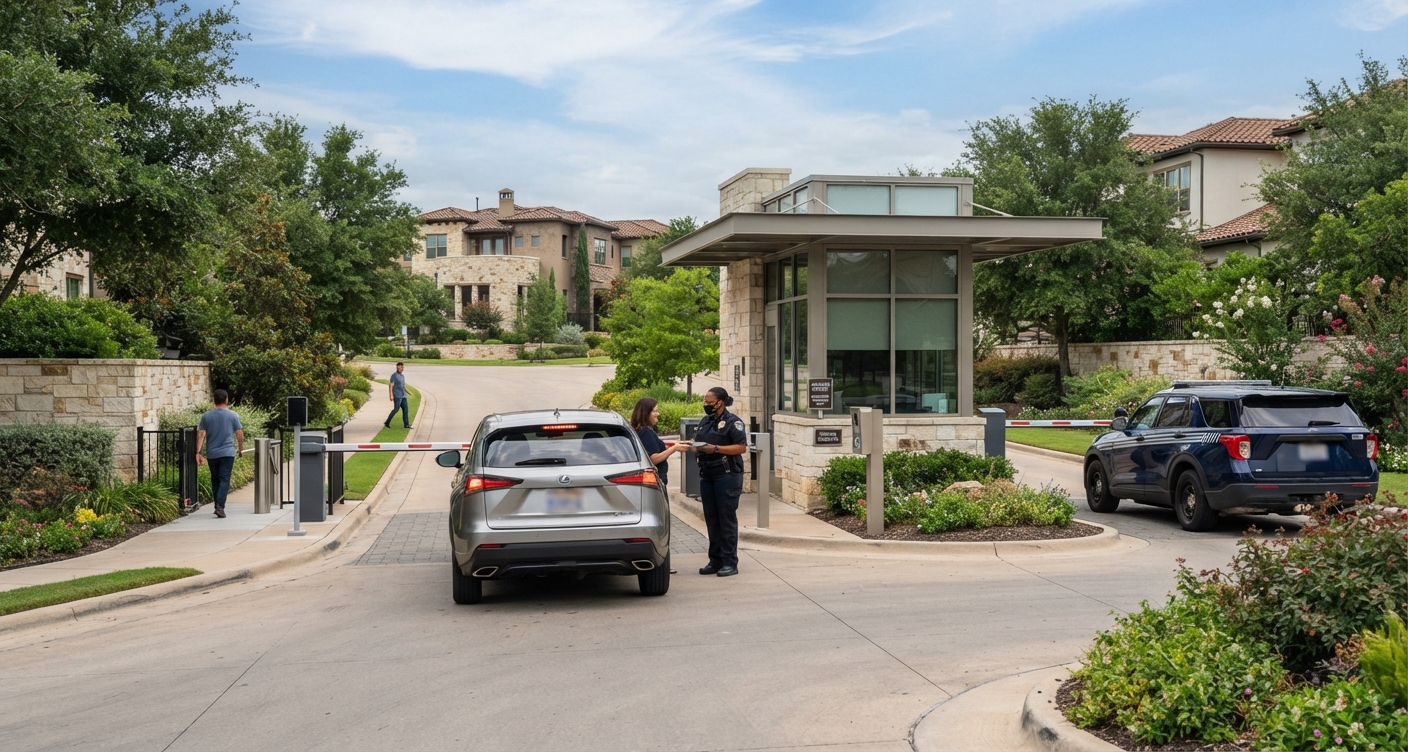
A safe residential environment gives residents greater confidence in their homes and community. Whether it is a private housing community, apartment complex, gated development, or residential property, effective safety measures can help protect residents, visitors, and property.
A well-planned approach combines trained personnel, clear access procedures, regular patrols, appropriate technology, and good communication. The specific measures required will depend on the size, layout, location, and needs of the property.
Understanding Residential Security Needs
Every residential property has different characteristics. A large gated community may have several entrances, shared facilities, parking areas, and multiple buildings, while an apartment complex may have a smaller number of controlled access points.
Before establishing security procedures, property managers should consider:
- Number of residents and buildings.
- Main and secondary entrances.
- Visitor traffic.
- Parking arrangements.
- Shared facilities.
- Property boundaries.
- Lighting conditions.
- Previous security concerns.
Understanding the property helps determine where security attention is most needed.
Managing Visitors and Access
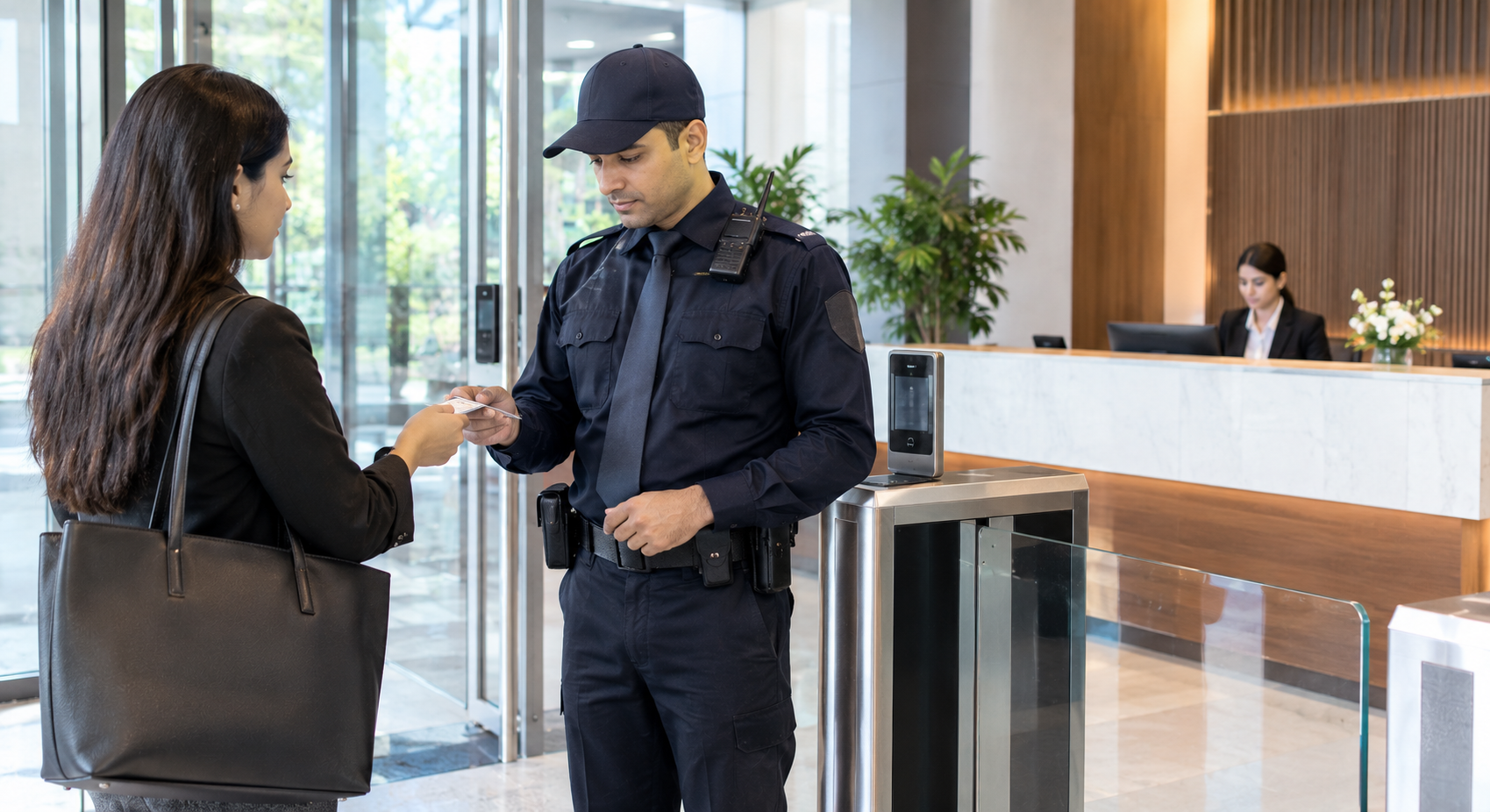
Visitor management is an important part of maintaining a controlled residential environment. Residents may receive guests, contractors, delivery personnel, maintenance workers, and other visitors throughout the day.
Clear procedures can help security personnel verify authorized visitors and direct them appropriately.
Depending on the property's policies, access may involve visitor registration, identification checks, resident confirmation, access credentials, or other approved procedures.
Maintaining a Visible Presence
A visible security presence can help residents know where to seek assistance when they have a security-related concern.
Security personnel may monitor entrances, conduct patrols, observe common areas, assist visitors, and report unusual activity according to established procedures.
Regular and professional interaction with residents can also help create a more organized community environment.
Regular Property Patrols
Patrols can help security personnel maintain awareness of different areas of a residential property.
Depending on the site, patrols may cover:
- Parking areas.
- Building entrances.
- Community facilities.
- Property boundaries.
- Common areas.
- Service entrances.
- Less frequently used locations.
Patrol schedules should be designed around the property's layout, operating requirements, and identified risks.
Protecting Common Areas
Residential communities often include shared facilities such as gyms, swimming pools, playgrounds, lounges, parking facilities, and recreational areas.
These locations may require specific access procedures and regular monitoring.
Clear rules can help residents and visitors understand how shared facilities should be used while allowing security personnel to identify and report concerns when necessary.
Using Technology to Support Safety
Modern technology can provide additional support for residential properties.
Depending on the community, this may include:
- CCTV monitoring.
- Access control systems.
- Visitor management systems.
- Intercoms.
- Automated gates.
- Security communication tools.
- Digital incident reporting.
Technology can improve visibility and help security teams maintain accurate records, but it should be combined with trained personnel and clear procedures.
Lighting and Visibility
Good visibility is an important consideration for residential properties, particularly around entrances, walkways, parking areas, and other locations used during evening hours.
Property managers should regularly review lighting conditions and address areas where visibility may be inadequate.
Well-maintained surroundings can support both security operations and the overall comfort of residents.
Handling Incidents Professionally
Security personnel may encounter a range of situations, from access concerns and property damage to disputes or other unexpected incidents.
Officers should follow established procedures, communicate clearly, document relevant information, and escalate matters to appropriate personnel or emergency services when required.
Professional incident handling helps prevent unnecessary confusion and ensures that important information is recorded accurately.
Communication With Residents
Good communication between residents, property management, and security personnel can strengthen everyday security operations.
Residents should know how to report concerns, contact security personnel, and receive important property-related updates.
Security teams should also communicate professionally and protect confidential information in accordance with applicable policies.
Preparing for Emergencies
Residential properties should have clear procedures for emergencies such as fires, medical incidents, severe weather, or other situations that may affect residents.
Security personnel should understand emergency exits, communication procedures, access routes, and their responsibilities during an emergency.
Regular reviews can help ensure that procedures remain suitable for the current property layout and operations.
Reviewing Security Measures Regularly
Residential communities can change over time. New buildings, additional residents, construction work, changes in access points, or updated facilities may create new security requirements.
Property managers should periodically review existing procedures and identify areas where improvements may be needed.
Regular assessments can help keep security measures aligned with the current needs of the community.
Building a Safer Community
A secure residential environment depends on cooperation between residents, property management, security personnel, and service providers.
Residents can support community safety by following access procedures, protecting their credentials, reporting concerns, and cooperating with established property policies.
When everyone understands their role, security procedures can become a natural part of everyday community life.
Conclusion
Creating a safer residential environment requires more than simply placing security personnel at an entrance. Effective protection involves visitor management, regular patrols, controlled access, appropriate technology, good communication, emergency preparedness, and ongoing assessment.
Every residential property has different requirements, so security procedures should be designed around the specific environment and needs of its residents.
With clear processes and professional security support, residential communities can create a more organized, comfortable, and secure environment for residents and visitors.
You Might Also Like
 Security Officer Career Growth
The Role of Professional Security Officers in Protecting People and Property
 Residential Security
 Security Guard Equipment
 Security Guard Laws
Understanding Security Guard Responsibilities, Rights, and Legal Requirements
Ready to See Geo Guard Pro in Action?
14-day free trial. No credit card. No lock-in.