Practical Safety Measures for Security Officers in the Field
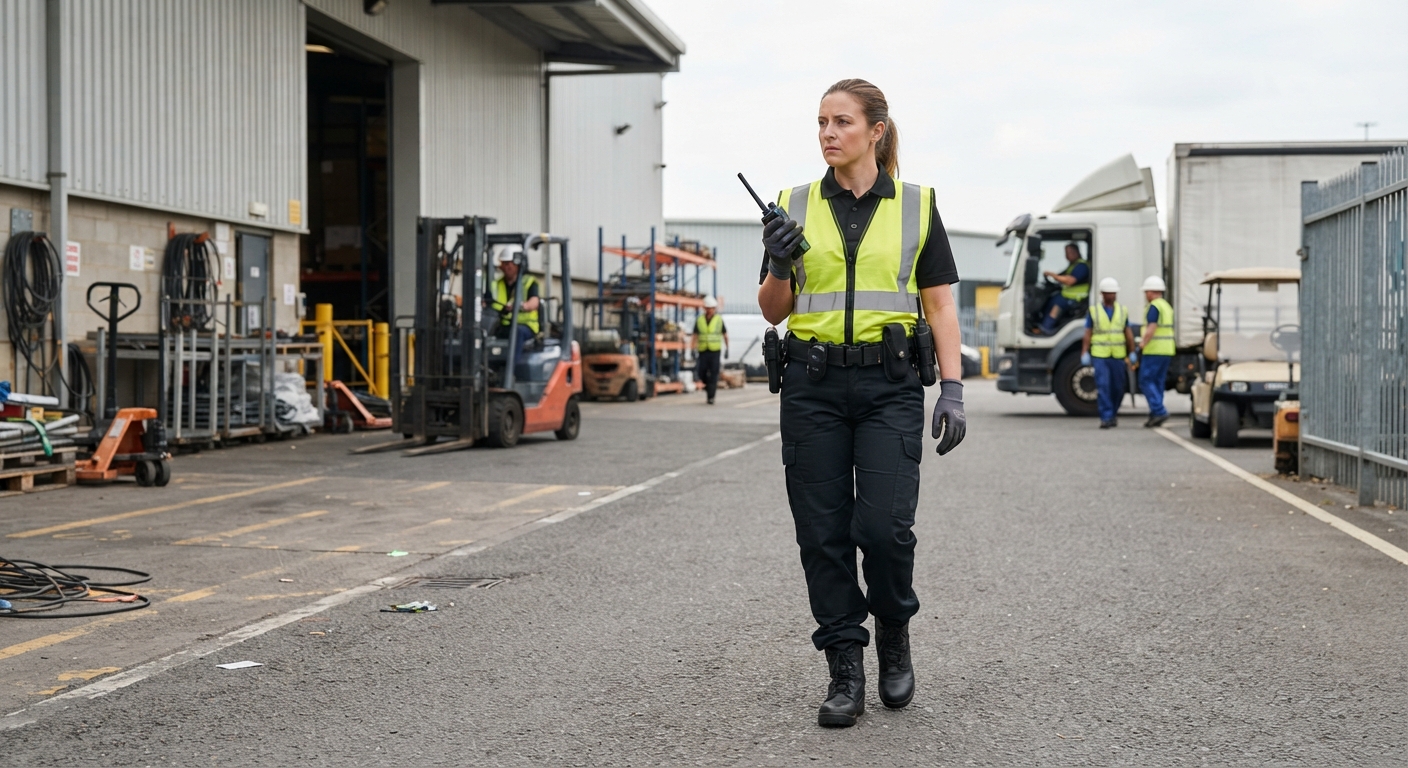
Security officers can work in a wide range of environments, from corporate buildings and residential properties to construction sites, warehouses, and outdoor facilities. Each environment can present different safety challenges, making proper preparation an important part of daily security operations.
Appropriate protective equipment can help reduce exposure to workplace hazards when selected and used correctly. However, equipment should always be supported by proper training, clear procedures, and an assessment of the risks associated with the specific assignment.
Understanding Workplace Risks
Before selecting protective equipment, organizations should identify the hazards that security personnel may encounter during their duties.
Potential risks can include:
- Moving vehicles and equipment.
- Poor lighting or limited visibility.
- Uneven or slippery surfaces.
- Extreme weather conditions.
- Dust and debris.
- Excessive noise.
- Construction-related hazards.
- Outdoor environmental conditions.
A proper risk assessment can help determine which protective measures are appropriate for each location.
Choosing Equipment Based on the Assignment
Different security assignments require different levels of protection. An officer working inside an office building may have very different requirements from an officer working at a construction site or industrial facility.
Depending on the environment, officers may require items such as:
- High-visibility clothing.
- Protective footwear.
- Work gloves.
- Head protection.
- Hearing protection.
- Weather-appropriate clothing.
- Other site-specific safety equipment.
Organizations should select equipment according to identified hazards rather than providing identical equipment for every assignment.
The Importance of High Visibility
Security officers who work around vehicles, parking areas, roads, loading zones, or construction activity may need to remain clearly visible to people operating nearby.
High-visibility clothing can help make personnel easier to identify, particularly during low-light conditions or busy operations.
Visibility requirements should be determined according to the environment and the organization's safety procedures.
Protecting Hands and Feet
Security personnel may spend significant periods walking, standing, checking facilities, or working around equipment and materials.
Appropriate footwear can provide support and protection where workplace conditions create relevant hazards. Similarly, suitable gloves may help protect hands during specific tasks.
The type of protection should always match the actual task and environment because different materials and designs provide different levels of protection.
Preparing for Outdoor Conditions
Outdoor security duties can expose officers to changing weather conditions. Heat, cold, rain, wind, and poor visibility can affect comfort and working conditions.
Organizations should consider suitable clothing and other measures based on the local environment and length of outdoor assignments.
Security personnel should also follow workplace procedures relating to breaks, hydration, and other relevant safety practices.
Additional Protection in Higher-Risk Locations
Some assignments involve environments with additional hazards. Construction sites, industrial facilities, warehouses, and areas with heavy machinery may require additional safety measures.
Before assigning an officer to such a location, organizations should identify the relevant hazards and provide appropriate equipment and training.
Security personnel should also understand site-specific safety rules and know how to report hazards they encounter during their duties.
Training Makes Equipment More Effective
Providing equipment is only part of a safety program. Officers should understand when equipment is required and how it should be used correctly.
Training should cover:
- When specific equipment must be worn.
- How to use it correctly.
- How to inspect equipment before use.
- How to store equipment properly.
- How to report damaged equipment.
- When replacement is required.
Proper training helps ensure that protective equipment becomes part of normal working practices.
Regular Equipment Checks
Protective equipment can become damaged or worn over time. Regular inspections can help identify items that need repair or replacement.
Security officers should report equipment that is damaged, missing, uncomfortable, or unsuitable for their assigned duties.
Supervisors should also maintain appropriate procedures for replacing equipment when necessary.
Comfort and Practicality Matter
Protective equipment should provide appropriate protection without unnecessarily restricting an officer's ability to perform their duties.
When selecting equipment, organizations should consider factors such as:
- Fit.
- Mobility.
- Working conditions.
- Duration of the shift.
- Weather.
- Compatibility with other required equipment.
Comfort is particularly important when personnel are expected to wear equipment for extended periods.
Building a Strong Safety Culture
Workplace safety should be part of everyday security operations. Supervisors can encourage a stronger safety culture by discussing hazards, checking equipment, providing appropriate training, and encouraging officers to report concerns.
Security personnel should also understand that reporting a potential hazard is a professional responsibility, not simply an administrative task.
Reviewing Safety Requirements
Work environments can change. Construction projects may progress, facilities may expand, equipment may be introduced, and security responsibilities may change.
For this reason, organizations should periodically review workplace risks and confirm that existing safety measures remain appropriate.
Regular reviews can help identify new hazards and determine whether additional training or equipment is required.
Conclusion
Security officers may work in environments with a wide range of workplace hazards. Appropriate protective equipment can help reduce exposure to these risks when it is selected according to the assignment and used correctly.
However, effective protection depends on more than equipment alone. Risk assessment, proper training, regular inspections, clear procedures, and a strong safety culture are equally important.
By reviewing workplace conditions and providing security personnel with suitable protection, organizations can support safer working environments while allowing officers to perform their responsibilities effectively.
You Might Also Like
 Security Officer Career Growth
The Role of Professional Security Officers in Protecting People and Property
 Residential Security
 Security Guard Equipment
 Security Guard Laws
Understanding Security Guard Responsibilities, Rights, and Legal Requirements
Ready to See Geo Guard Pro in Action?
14-day free trial. No credit card. No lock-in.