A Complete Guide to Modern Security and Entry Management
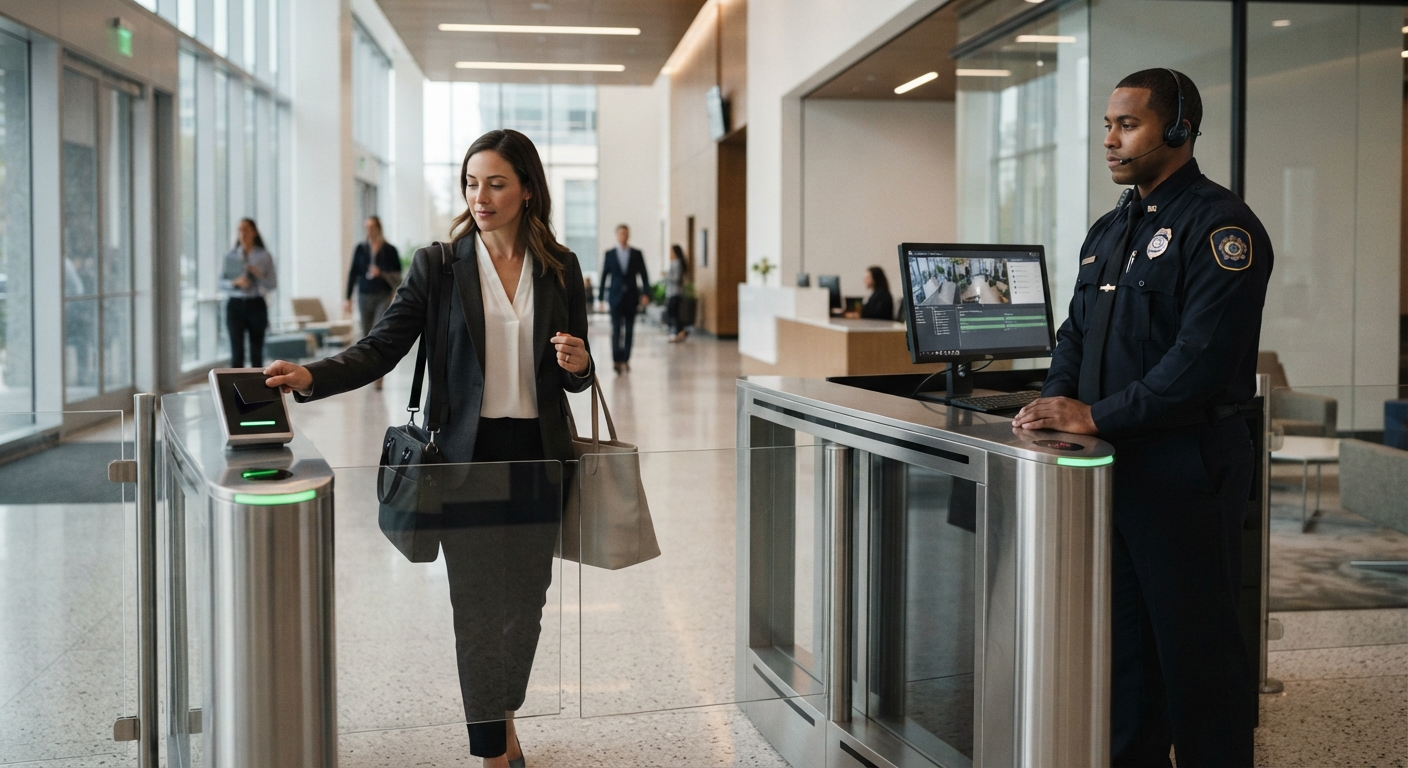
Modern systems can also allow authorized users to use smartphones or mobile credentials for entry. This can provide a convenient alternative to traditional access cards while allowing organizations to manage permissions digitally.
Why Access Control Is Important
One of the main advantages of access control is the ability to limit access according to a person's role or authorization.
For example, employees may have access to general office areas while managers or authorized personnel may have access to restricted rooms. This helps organizations apply different access levels based on operational requirements.
Access control can also help:
- Reduce unauthorized entry.
- Protect sensitive areas.
- Manage employee access.
- Improve visitor management.
- Maintain records of access activity.
- Respond more effectively to security incidents.
Access Control and Security Monitoring
Access control becomes even more useful when combined with broader security monitoring and management processes.
Security teams can review access activity to identify unusual or unauthorized attempts. Access records can also provide useful information when investigating an incident.
For example, if an incident occurs in a restricted area, access records may help security personnel determine which authorized credentials were used to enter the location during a particular period.
This creates a more organized approach to security monitoring and incident investigation.
Managing Access Permissions
An effective access control system is not only about installing access readers. Organizations also need to manage permissions properly.
Access should be assigned according to the user's role and responsibilities. When an employee changes departments, their access requirements may change as well.
Similarly, when an employee leaves an organization, their access should be removed promptly.
Regularly reviewing access permissions can help organizations avoid unnecessary access and maintain better control over restricted areas.
Access Control for Different Types of Organizations
Access control systems can be useful across many industries and environments.
Corporate Offices:
Control access to offices, meeting rooms, server rooms, and other restricted areas.
Warehouses:
Manage entry to storage areas and locations containing valuable equipment or inventory.
Healthcare Facilities:
Restrict access to staff-only areas, records rooms, equipment rooms, and other sensitive locations.
Residential Properties:
Help manage entry to apartment buildings, gated communities, and other residential areas.
Educational Institutions:
Control access to administrative offices, laboratories, storage areas, and other restricted facilities.
Best Practices for Access Control Management
Simply having an access control system does not guarantee effective security. Organizations should also establish clear procedures for managing access.
Some important practices include:
- Assign access according to job responsibilities.
- Regularly review user permissions.
- Remove access when it is no longer required.
- Keep access records properly maintained.
- Protect administrative credentials.
- Train employees on access control procedures.
- Investigate unusual access activity.
- Keep security systems properly maintained.
These practices can help organizations make better use of their access control infrastructure.
The Role of Technology in Modern Security Operations
Modern security operations increasingly rely on digital tools to manage daily activities. Access control can work alongside other security processes such as scheduling, patrol management, incident reporting, visitor management, and monitoring.
A centralized approach can help security teams organize information and respond to operational requirements more efficiently.
For security companies and organizations managing multiple sites, technology can also provide better visibility into security activities and help teams maintain consistent procedures across different locations.
Conclusion
Access control systems play an important role in protecting modern facilities. By controlling who can enter specific areas and maintaining records of access activity, organizations can improve security while making access management more efficient.
From keycards and PINs to biometric and mobile technologies, organizations can choose solutions based on their operational and security requirements.
When access control is combined with clear policies, regular permission reviews, and effective security management practices, it can become an important part of a comprehensive security strategy.
You Might Also Like
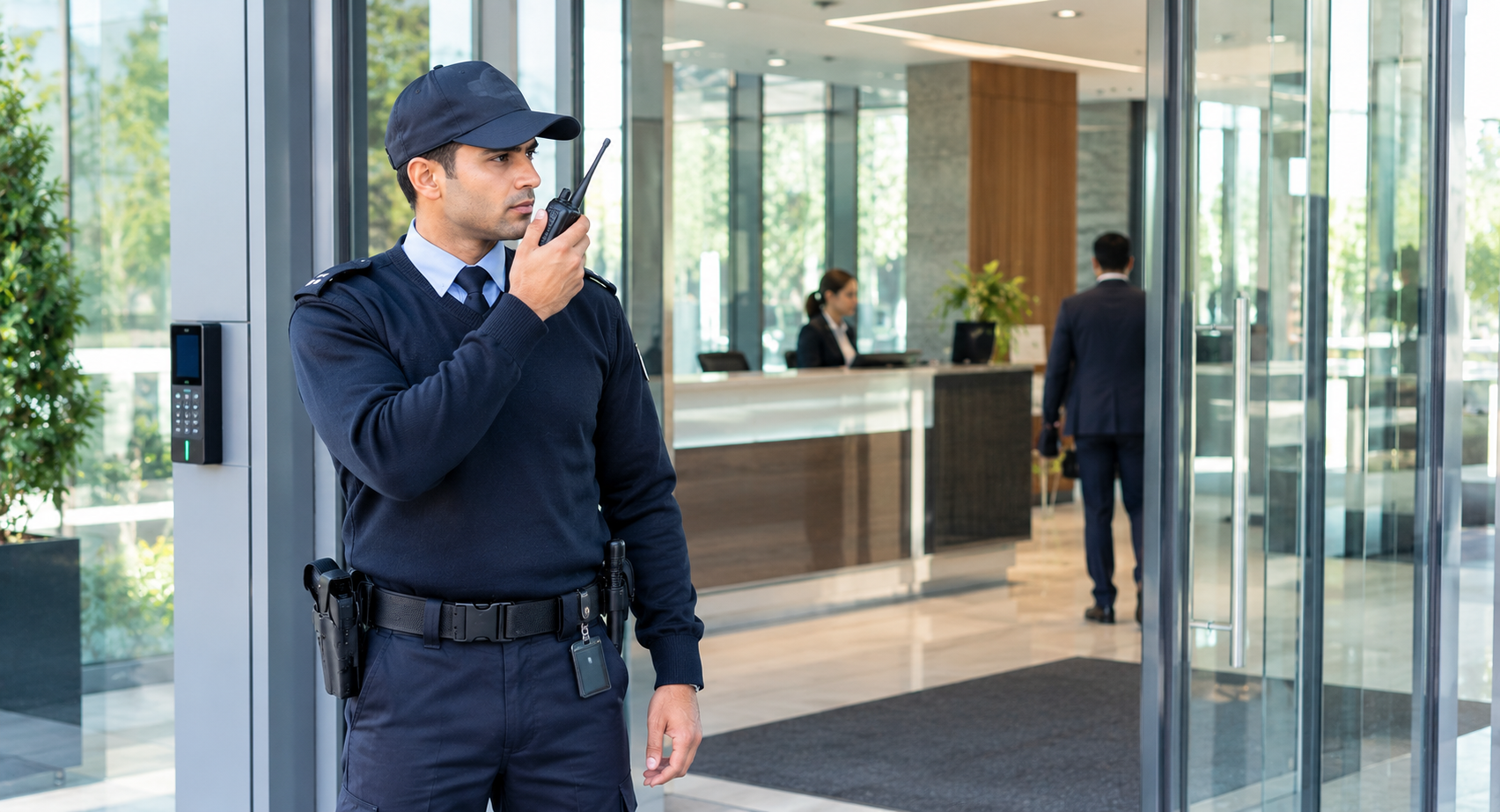 Security Officer Career Growth
The Role of Professional Security Officers in Protecting People and Property
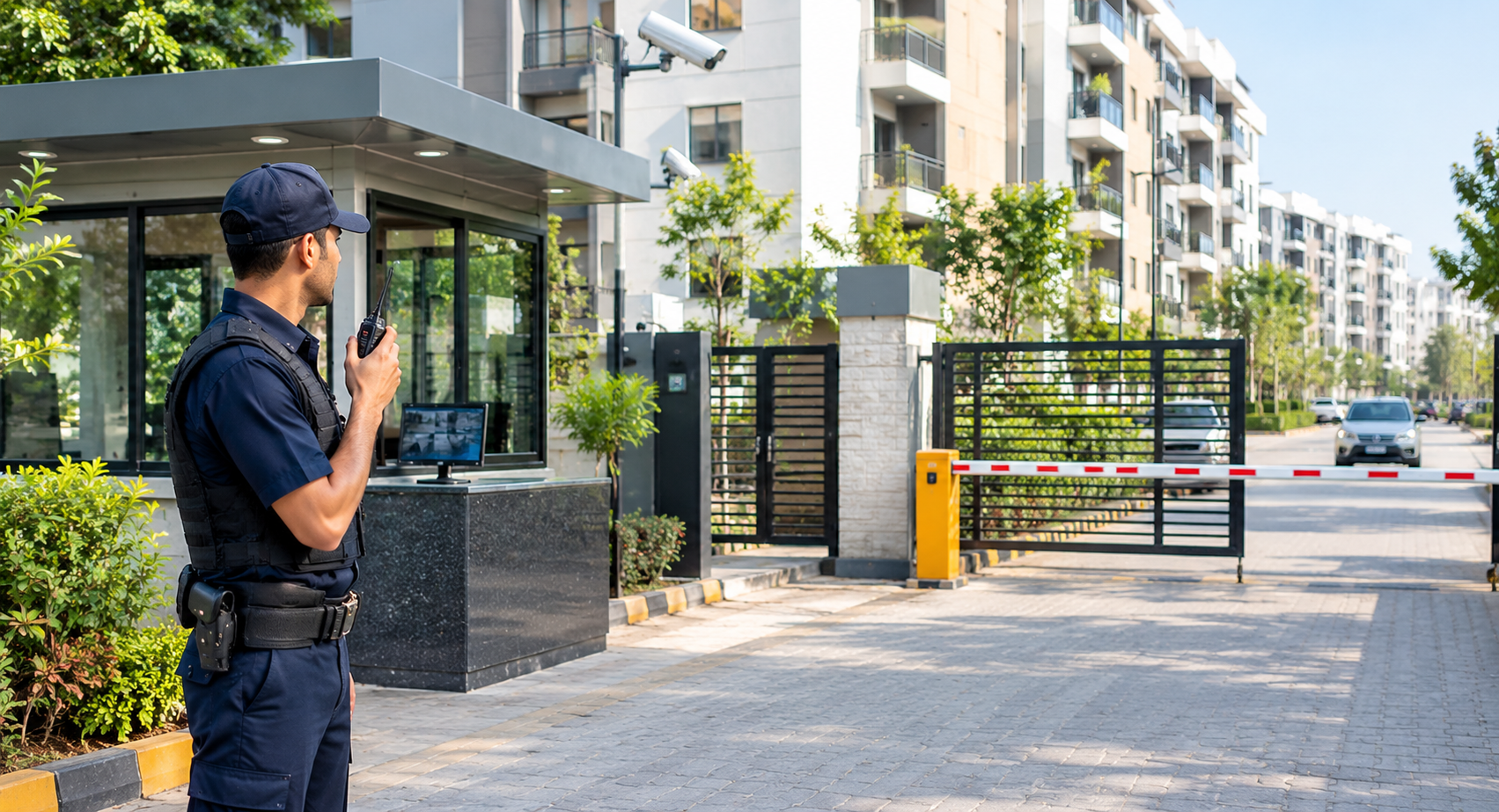 Residential Security
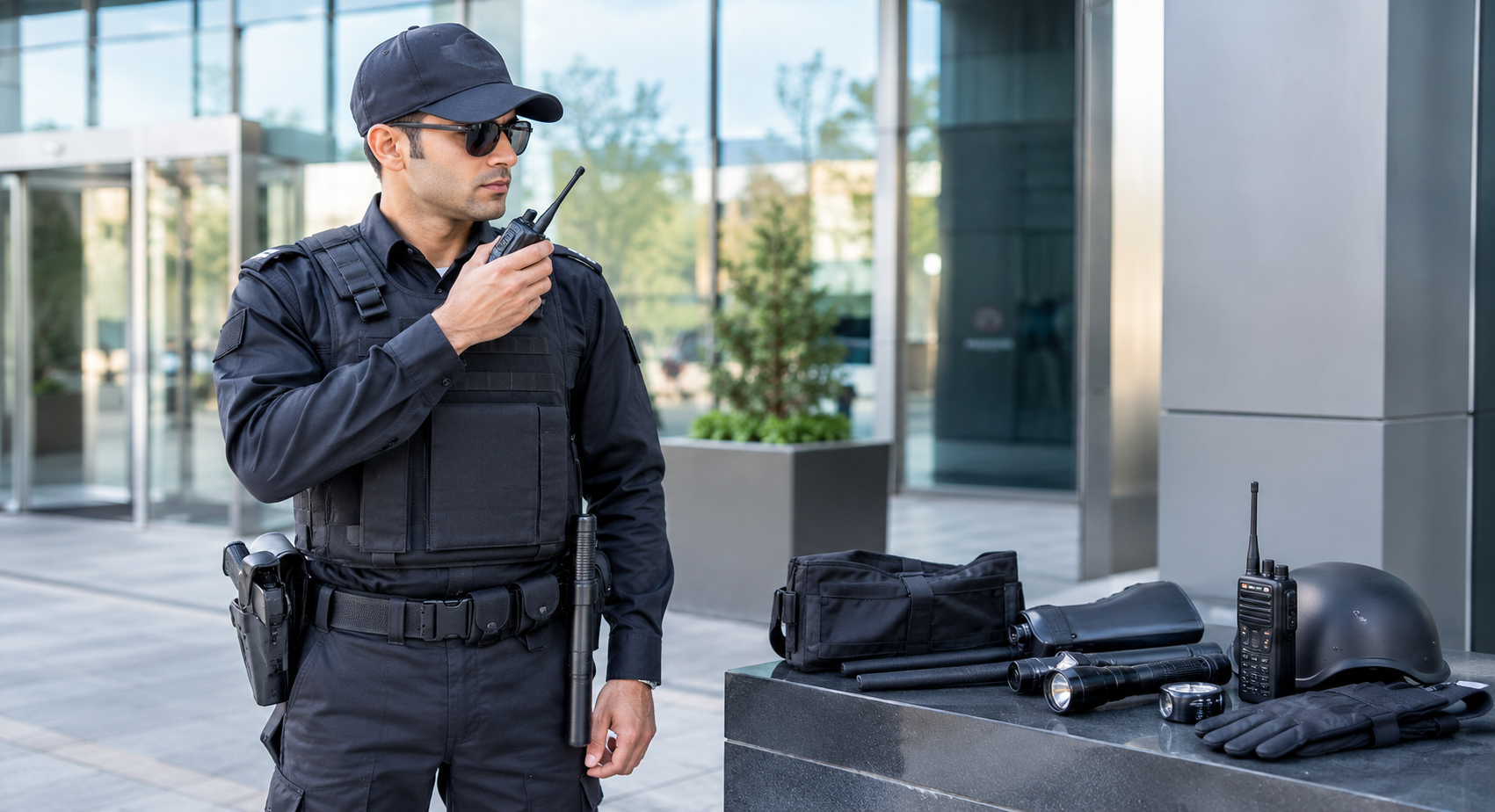 Security Guard Equipment
 Security Guard Laws
Understanding Security Guard Responsibilities, Rights, and Legal Requirements
Ready to See Geo Guard Pro in Action?
14-day free trial. No credit card. No lock-in.