How Effective Workplace Management Improves Security Operations
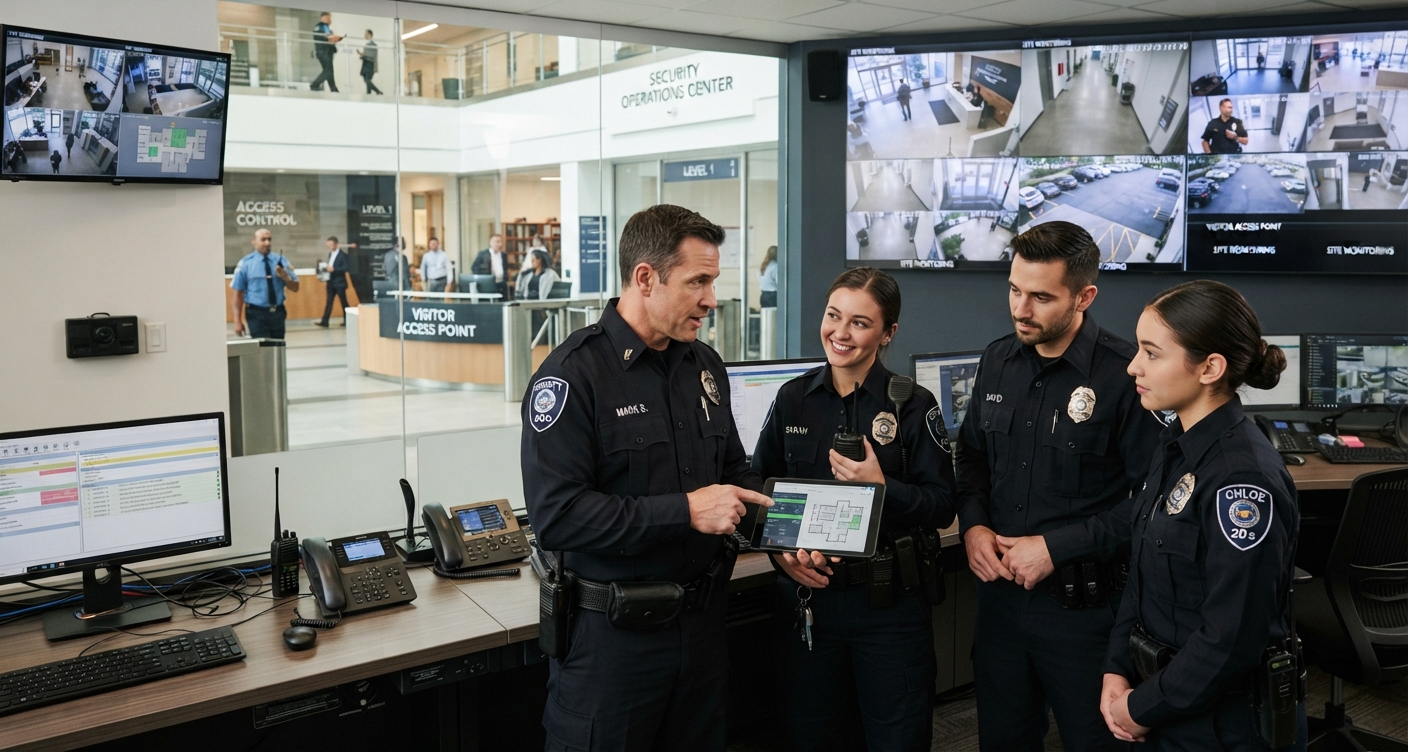
Effective workplace management plays an important role in keeping security operations organized, responsive, and efficient. Security officers may have clearly defined responsibilities, but without proper coordination and workplace management, important tasks can easily be missed.
From managing daily schedules to maintaining communication between teams, a well-organized workplace helps security personnel perform their responsibilities more effectively.
What Is Workplace Management in Security?
Workplace management in security involves organizing people, responsibilities, schedules, resources, communication, and daily activities so that security operations run smoothly.
A structured approach allows security companies and supervisors to understand what is happening across a workplace and respond more effectively when situations require attention.
1. Organize Daily Responsibilities
Every security officer should understand their assigned responsibilities before starting a shift. Clear task assignments reduce confusion and help ensure that important areas receive appropriate attention.
Supervisors can organize responsibilities according to the location, shift requirements, patrol areas, access points, and specific security needs of the workplace.
2. Maintain Effective Shift Management
Security operations often continue around the clock, making shift management an important part of workplace organization.
Proper scheduling helps ensure that the required number of officers are available at the appropriate times. It can also reduce scheduling conflicts and make shift handovers more organized.
A clear shift structure allows incoming officers to understand what happened during the previous shift and what requires attention.
3. Improve Communication Between Teams
Communication is essential when multiple security officers are working across different areas.
Officers should know how and when to communicate with supervisors and other team members. Important information should be shared through approved communication channels so that the appropriate people can respond quickly.
Clear communication can also help prevent misunderstandings during busy periods or unexpected situations.
4. Keep Workplace Information Organized
Security operations generate a significant amount of information, including patrol records, incident reports, visitor information, shift details, and other operational records.
Keeping this information organized makes it easier for supervisors to review activities and identify issues.
Digital security management systems can help organizations maintain records in a centralized location and reduce dependence on scattered paperwork.
5. Monitor Attendance and Workforce Availability
Knowing which officers are available and which employees are assigned to particular shifts is an important part of workplace management.
Accurate attendance and workforce records help supervisors identify staffing gaps and make appropriate adjustments.
This can be particularly important when an officer is absent or when additional coverage is required.
6. Create a Clear Reporting Process
A consistent reporting process helps security teams document important events and communicate them to management.
Officers should know what information needs to be recorded, when a report is required, and who should receive it.
Clear reporting procedures can make it easier for supervisors to review incidents and identify recurring workplace concerns.
7. Manage Security Resources Efficiently
Security operations may involve radios, access control equipment, patrol devices, uniforms, vehicles, and other resources.
Workplace management includes making sure these resources are available, properly assigned, and maintained.
A structured resource management process can help reduce unnecessary losses, delays, and equipment shortages.
8. Use Technology to Simplify Operations
Modern security workplaces increasingly use technology to manage daily operations.
Security management platforms can bring together functions such as scheduling, employee management, incident reporting, patrol tracking, communication, and operational records.
Centralizing these activities can help supervisors spend less time managing separate records and more time focusing on security operations.
9. Encourage Accountability
Every member of a security team should understand their responsibilities and be accountable for completing assigned tasks.
Accountability does not simply mean checking whether a task was completed. It also involves creating an environment where officers understand the importance of following procedures and reporting issues honestly.
Consistent accountability can improve workplace discipline and operational reliability.
10. Review Operations Regularly
Workplace management should not be treated as a one-time process. Security operations should be reviewed regularly to identify areas that can be improved.
Supervisors can evaluate staffing, communication, scheduling, reporting, equipment usage, and recurring incidents to determine where changes may be beneficial.
Regular reviews help security organizations adapt to changing workplace requirements.
Benefits of Better Workplace Management
A well-managed security workplace can provide several operational benefits, including:
- Better coordination between security teams
- More organized shift scheduling
- Improved communication
- Easier access to operational records
- Better resource utilization
- Greater accountability
- Faster identification of workplace issues
- More consistent security procedures
These improvements can contribute to a more reliable and professional security operation.
Conclusion
Workplace management is an important foundation of effective security operations. Security officers may be responsible for protecting people and property, but their ability to perform those responsibilities depends heavily on proper organization and coordination.
By improving scheduling, communication, reporting, workforce management, resource allocation, and operational reviews, security organizations can create a more structured workplace.
Effective workplace management is ultimately about making sure the right people, information, resources, and processes work together to support safer and more efficient security operations.
You Might Also Like
 Security Officer Career Growth
The Role of Professional Security Officers in Protecting People and Property
 Residential Security
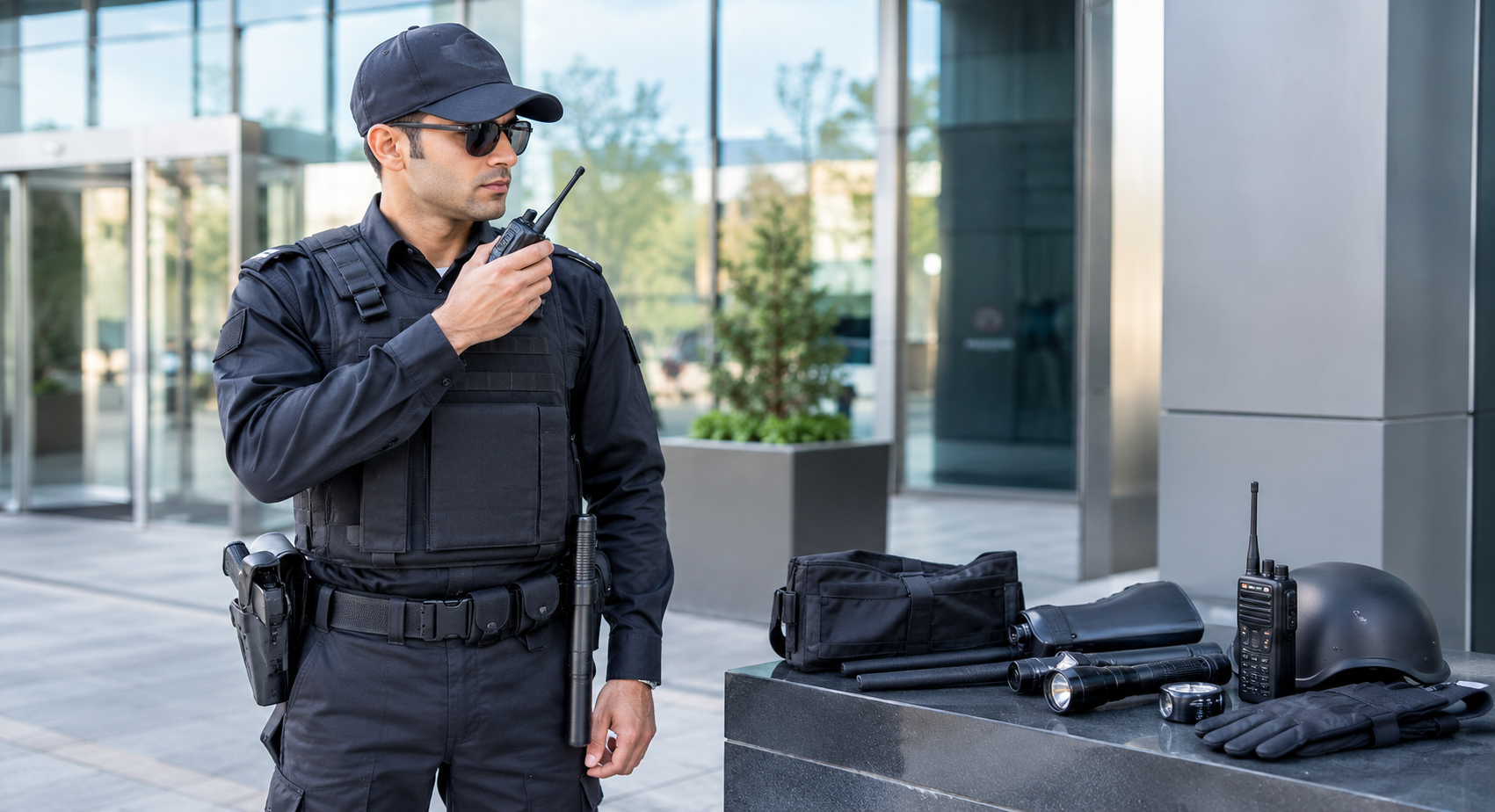 Security Guard Equipment
 Security Guard Laws
Understanding Security Guard Responsibilities, Rights, and Legal Requirements
Ready to See Geo Guard Pro in Action?
14-day free trial. No credit card. No lock-in.