Essential Protective Gear for Security Officers: A Practical Guide
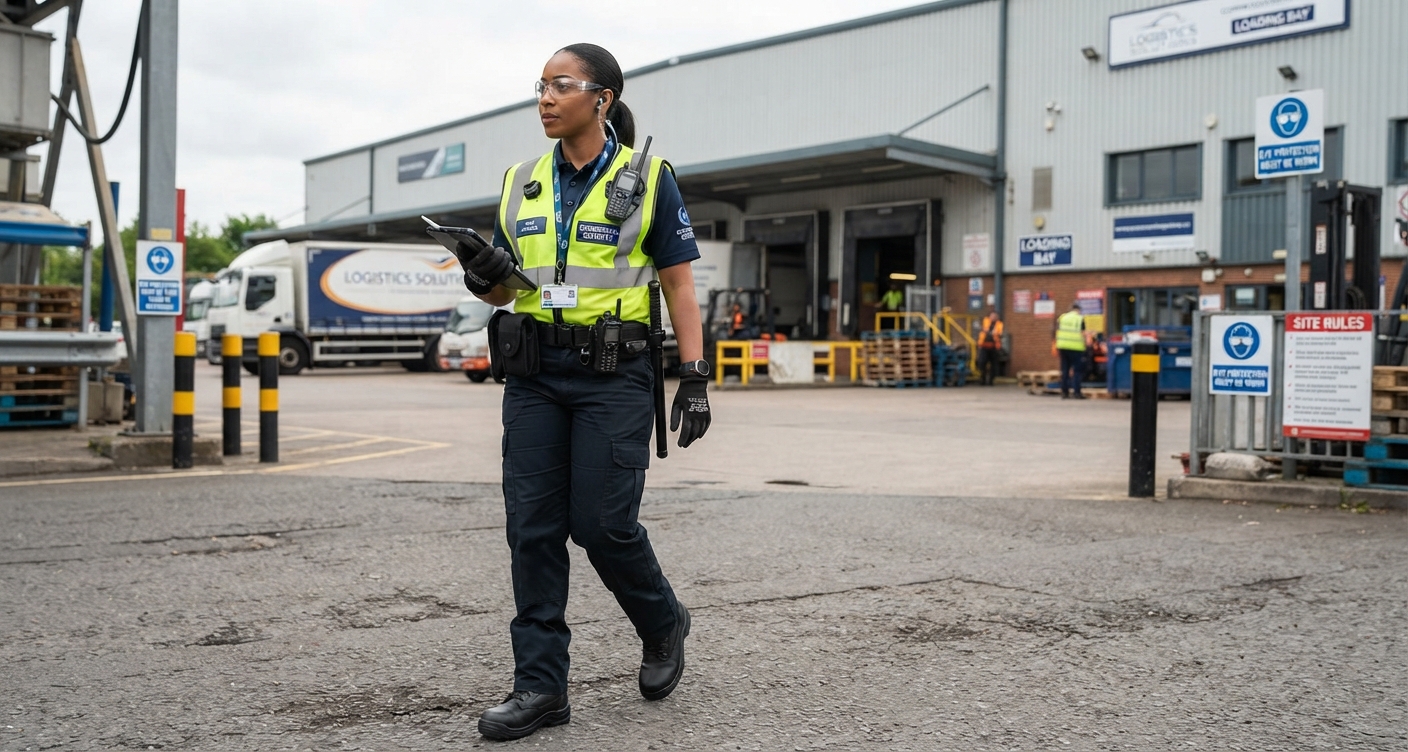
Security officers work in a wide range of environments, from corporate buildings and shopping centers to construction areas, parking facilities, events, and industrial properties. Each environment can present different hazards, which makes appropriate personal protective gear an important part of daily security operations.
The right protective equipment can help officers perform their duties more safely while maintaining comfort, mobility, and professionalism throughout their shifts.
Understanding the Purpose of Protective Gear
Personal protective gear is designed to reduce exposure to workplace hazards and provide additional protection during security duties. The equipment required can vary depending on the assignment, location, weather conditions, and responsibilities of the officer.
Security companies and officers should always consider the specific risks associated with an assignment before selecting protective equipment.
1. Protective Footwear
Security officers may spend long hours standing, walking, or patrolling different areas of a property. Comfortable and durable protective footwear can provide better support during extended shifts.
For assignments involving uneven surfaces, wet areas, or industrial environments, footwear with suitable traction and protective features can be especially useful.
2. High-Visibility Clothing
High-visibility vests or outerwear can help security personnel remain noticeable in areas with vehicle movement, low lighting, parking facilities, roadways, or construction activity.
Visibility can be particularly important when officers are directing traffic, monitoring entrances, or patrolling areas where vehicles and pedestrians operate together.
3. Protective Gloves
Security duties may sometimes involve handling equipment, inspecting certain areas, opening containers, or working outdoors in challenging conditions.
Appropriate protective gloves can provide protection from minor cuts, abrasions, dirt, and environmental exposure. The type of glove should match the specific requirements of the assignment.
4. Eye Protection
Certain work environments may expose officers to dust, debris, chemicals, or other particles. Protective eyewear can help reduce the risk of eye injuries in locations where such hazards are present.
Security personnel should follow site-specific safety requirements and use approved eye protection whenever the assignment requires it.
5. Hearing Protection
Some security assignments take place around loud machinery, construction equipment, transportation areas, or large events.
Where noise levels create a potential hazard, appropriate hearing protection can help reduce exposure. Officers should also ensure that any protective equipment does not prevent them from performing essential communication or safety responsibilities.
6. Weather Protection
Outdoor security officers may work during hot weather, cold temperatures, rain, or strong winds. Suitable weather protection can improve comfort and help officers remain focused during long patrols.
Depending on the environment, this may include weather-resistant outerwear, appropriate headwear, protective footwear, and other equipment designed for outdoor conditions.
7. Communication Equipment
Communication equipment is an important part of many security assignments. Radios and other approved communication devices allow officers to stay connected with supervisors and other team members.
Communication equipment should be positioned securely and maintained properly so officers can access it without interfering with their movement or other responsibilities.
8. Equipment Maintenance Matters
Protective gear is only useful when it is maintained properly. Officers should regularly inspect their equipment for damage, excessive wear, broken components, or other issues.
Damaged equipment should be reported and replaced according to company procedures. Regular inspections can help prevent an equipment problem from becoming a safety issue during an active assignment.
9. Choose Gear According to the Assignment
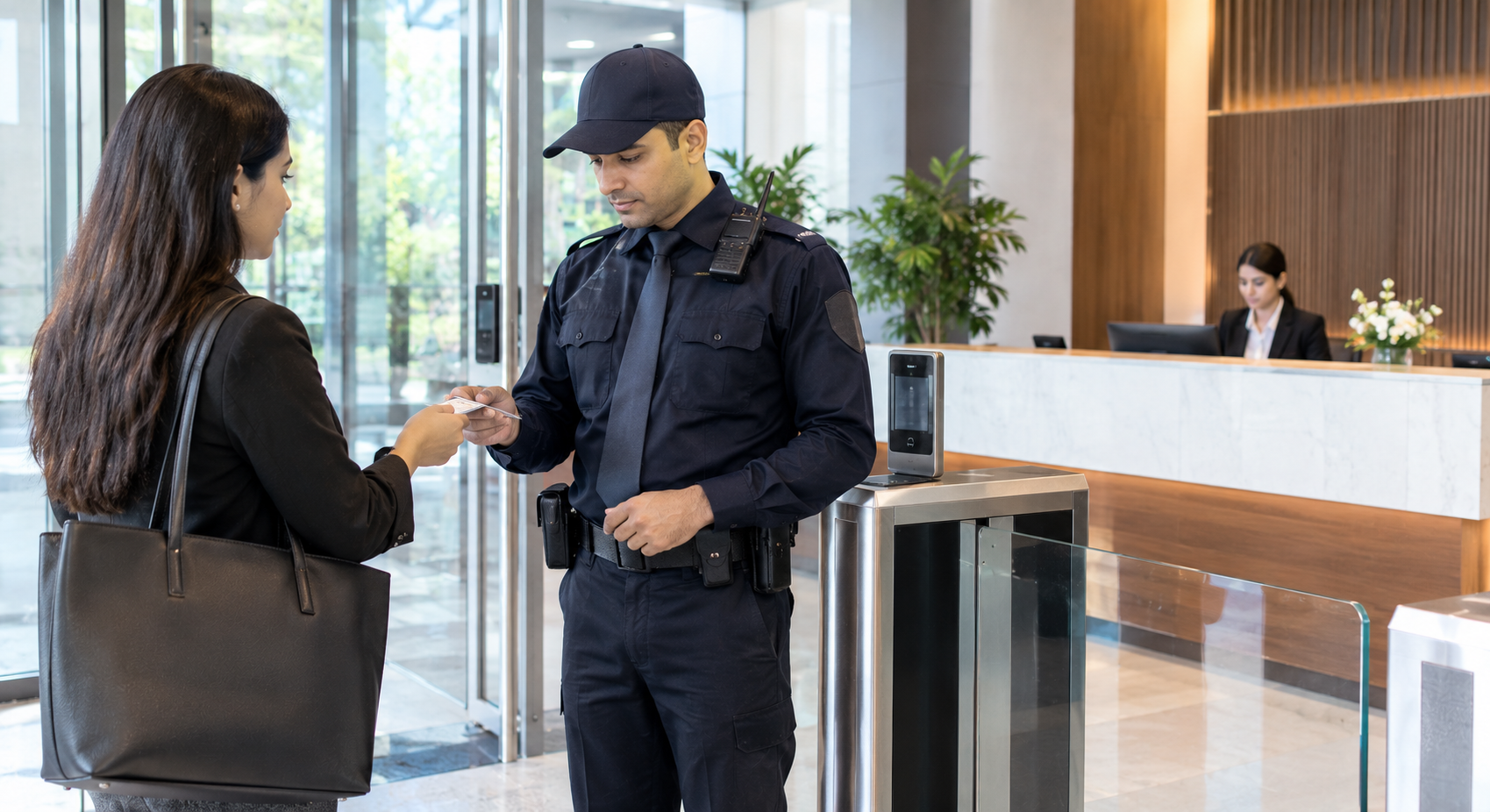
There is no single set of protective equipment that is appropriate for every security officer. A corporate lobby assignment may have very different requirements from a construction site or outdoor patrol.
Before starting an assignment, officers and security companies should consider factors such as:
- The physical environment
- Potential workplace hazards
- Weather conditions
- Required mobility
- Duration of the shift
- Site safety policies
- Applicable workplace regulations
Selecting equipment based on actual risks helps avoid both under-protection and unnecessary equipment.
10. Comfort and Professional Appearance
Protective gear should provide safety without unnecessarily restricting movement or creating discomfort. Equipment that is difficult to wear for extended periods may affect an officer's ability to remain focused.
At the same time, security personnel should maintain a clean and professional appearance. Properly fitted, well-maintained equipment can support both safety and a professional image.
Conclusion
Personal protective gear is an important part of maintaining safe and effective security operations. From protective footwear and high-visibility clothing to gloves, eye protection, weather gear, and communication equipment, each item should serve a clear purpose based on the officer's assignment.
Security officers who understand their work environment, use appropriate protective equipment, and regularly inspect and maintain their gear can be better prepared to handle the demands of their duties.
The right protective gear is not simply about wearing more equipment—it is about choosing the right protection for the right situation.
You Might Also Like
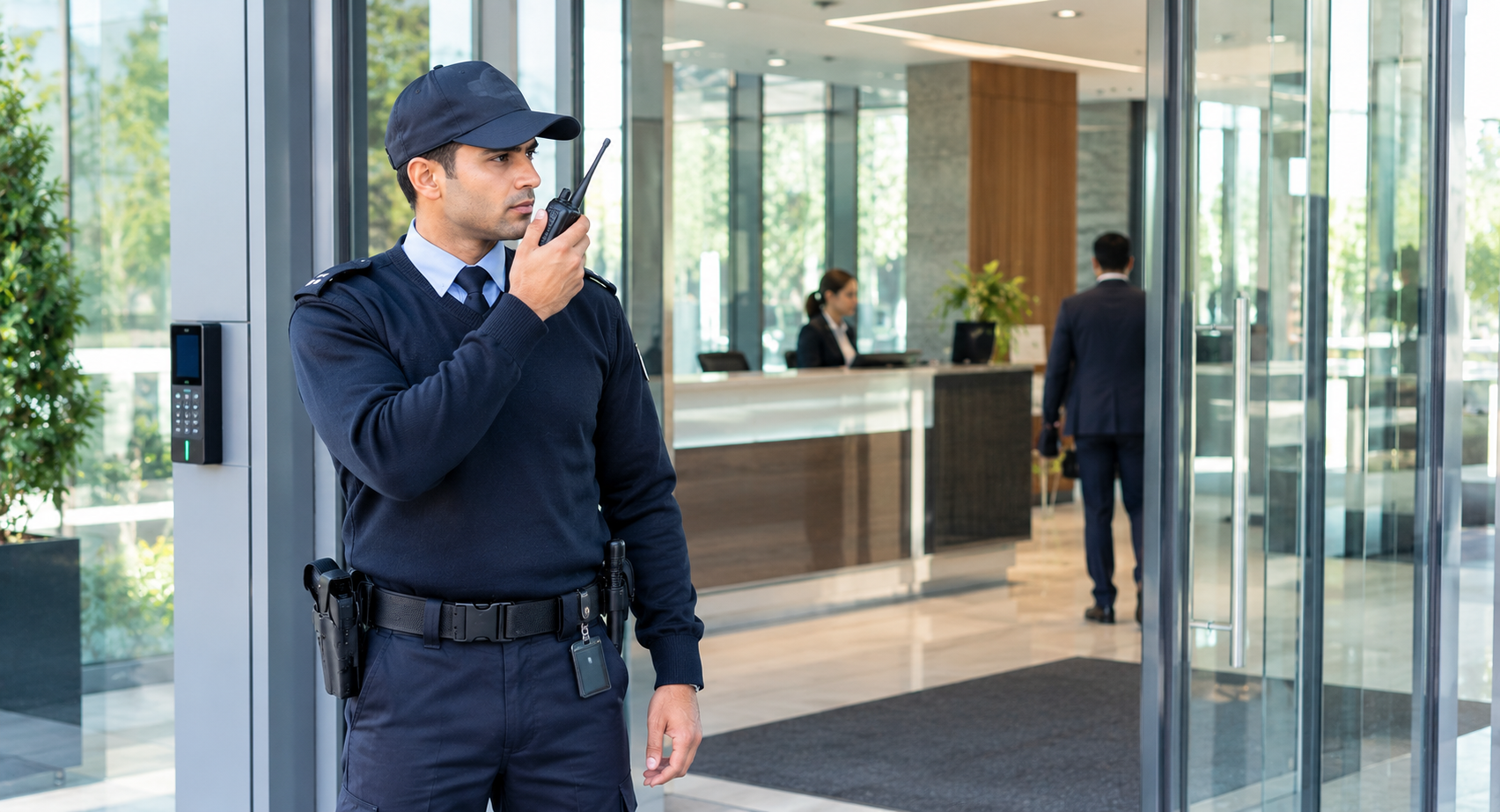 Security Officer Career Growth
The Role of Professional Security Officers in Protecting People and Property
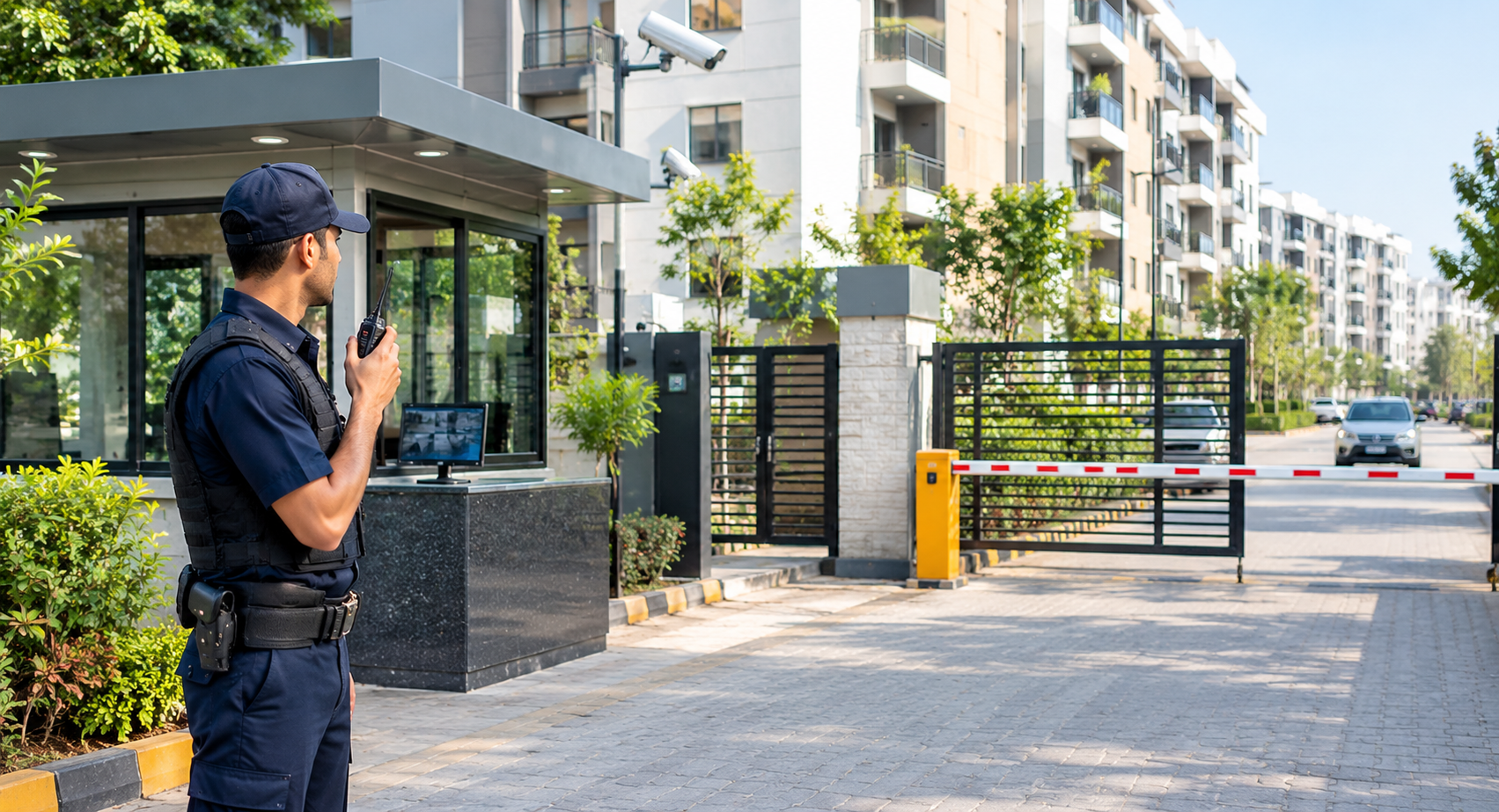 Residential Security
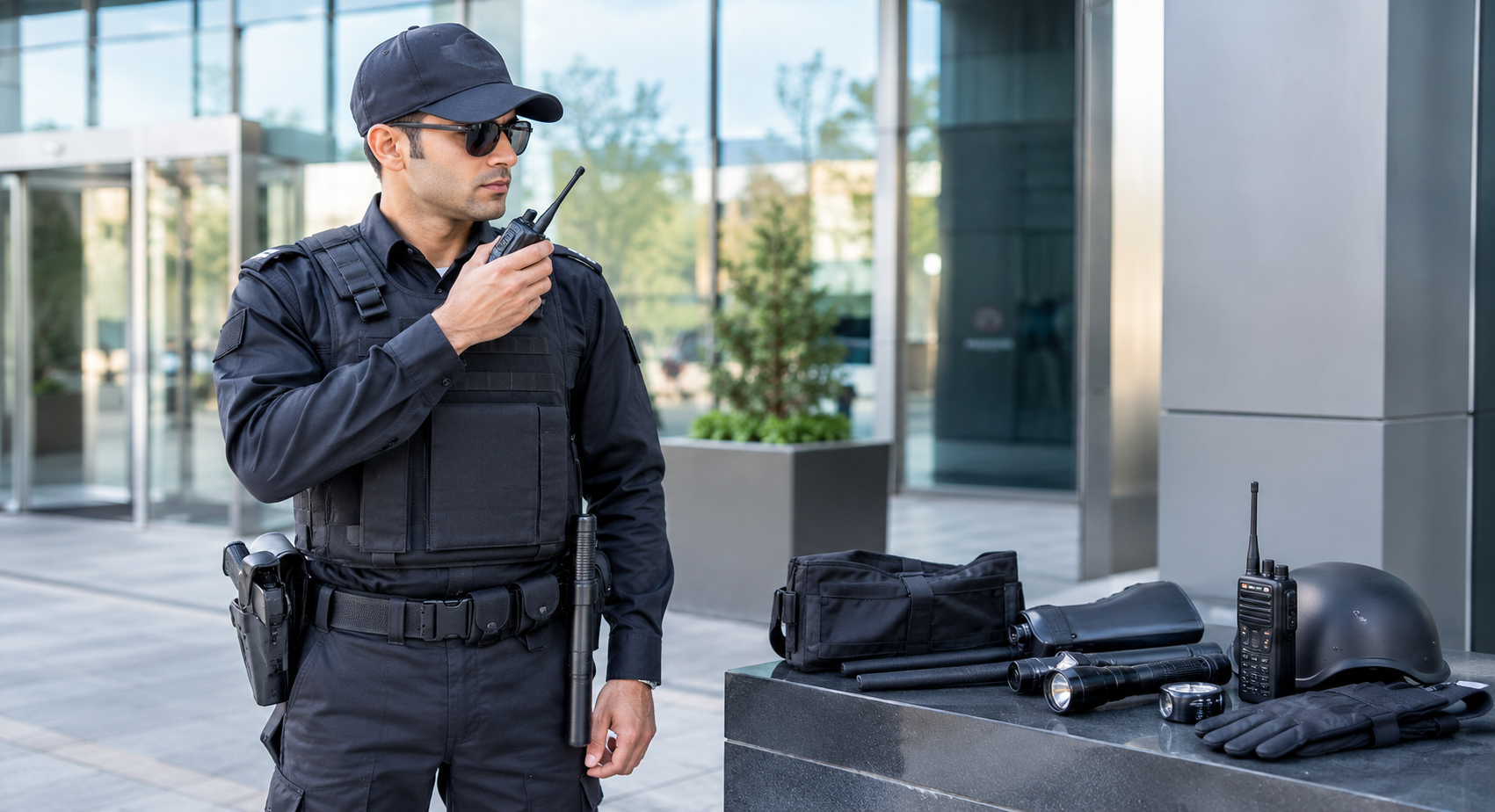 Security Guard Equipment
 Security Guard Laws
Understanding Security Guard Responsibilities, Rights, and Legal Requirements
Ready to See Geo Guard Pro in Action?
14-day free trial. No credit card. No lock-in.