Protecting Construction Sites, Equipment and Valuable Materials
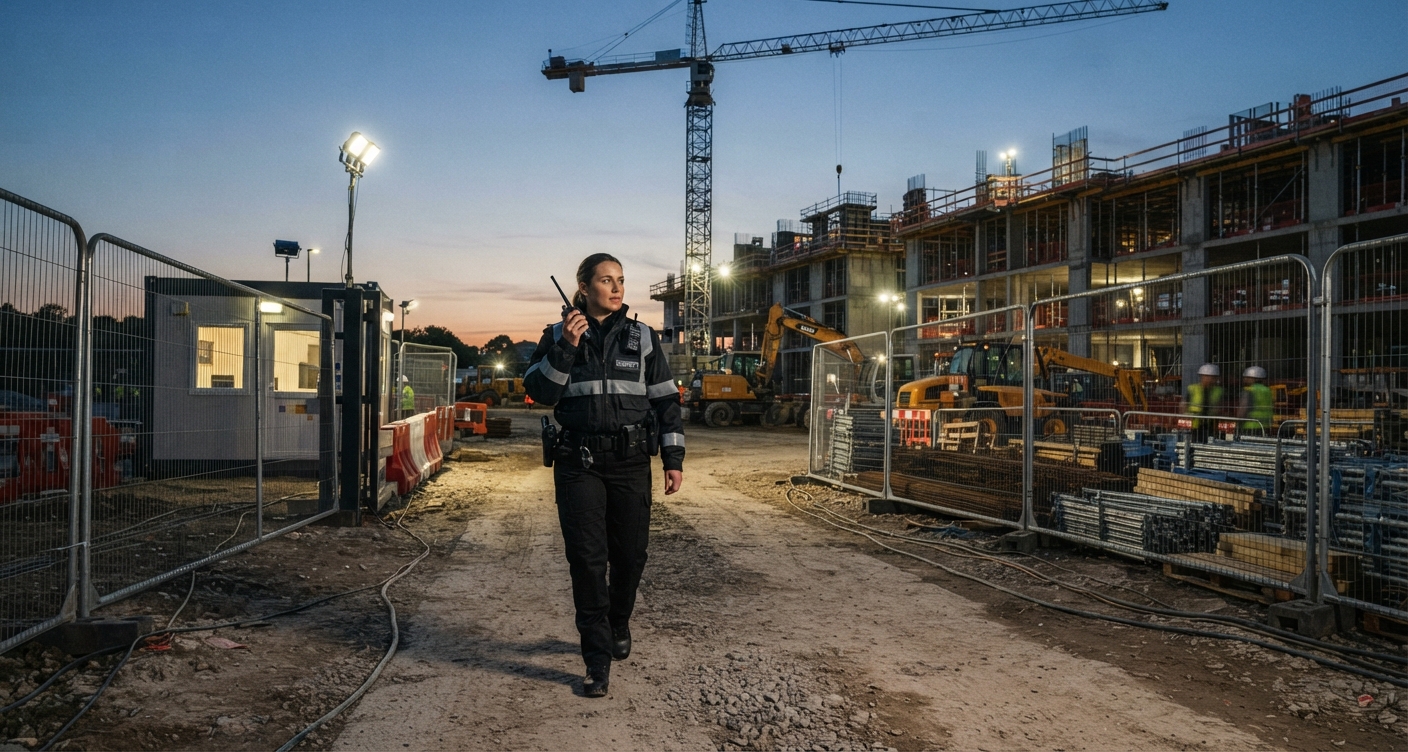
Construction projects contain valuable equipment, materials, tools, and machinery, often across large and changing work areas. With multiple contractors, suppliers, workers, and visitors entering and leaving a site, maintaining proper control can be challenging.
A well-organized approach can help construction companies protect their assets, manage access, monitor activity, and reduce the risk of theft, unauthorized entry, and other incidents.
Understanding Construction Site Risks
Every construction project has its own security challenges. The size of the site, location, project stage, equipment, and number of workers can all affect the level of protection required.
Common concerns may include:
- Unauthorized access.
- Theft of tools and equipment.
- Removal of construction materials.
- Vandalism or property damage.
- Unapproved vehicle access.
- After-hours activity.
- Poor visibility around the site.
Identifying these risks early allows site managers to establish appropriate procedures.
Controlling Site Access
Construction sites can have multiple entry points, especially as work progresses. Controlling these access points can help site managers maintain better awareness of who is entering and leaving the property.
Depending on the site's procedures, security personnel may verify worker credentials, manage visitors, monitor deliveries, and report unauthorized access attempts.
Access procedures should be clearly communicated to contractors, employees, and visitors.
Protecting Equipment and Materials
Construction equipment and materials can represent a significant financial investment. Tools, machinery, electrical equipment, building materials, and fuel may all require additional protection.
Security personnel can help by monitoring storage areas, conducting regular patrols, observing delivery zones, and reporting suspicious activity.
Keeping valuable items in designated and appropriately secured areas can provide an additional layer of protection.
The Importance of After-Hours Monitoring
Construction sites may be significantly quieter after workers leave for the day. Reduced activity can make unauthorized access less noticeable.
After-hours patrols and appropriate monitoring can help maintain awareness during periods when fewer workers are present.
Lighting, controlled entry points, fencing, surveillance technology, and regular patrols can work together to improve visibility around the site.
Monitoring Deliveries and Contractors
Construction projects often involve regular deliveries and multiple contractors. Without clear procedures, it can become difficult to maintain an accurate understanding of site activity.
Security personnel can support site management by helping monitor delivery vehicles, confirming authorized access, and directing visitors to the appropriate areas.
Clear communication between security teams, site managers, contractors, and suppliers can help reduce confusion.
Protecting Workers and Visitors
Security procedures should also support the safety of people working on or visiting the construction site.
Security personnel can help control access to restricted areas and report hazards or unusual activity to the appropriate site management team.
Officers should understand the site's safety requirements and follow established procedures when moving around active work areas.
Using Technology to Improve Visibility
Technology can provide additional support for construction site protection.
Depending on the project, organizations may use:
- CCTV monitoring.
- Access control systems.
- Motion detection.
- Lighting systems.
- Digital visitor management.
- Communication devices.
- Remote monitoring solutions.
Technology can help provide greater visibility, particularly across large sites where continuous physical observation may be difficult.
Regular Patrols and Site Checks
Patrols can help security personnel monitor different parts of a construction site and identify unusual conditions.
Patrols may include checks of:
- Entry and exit points.
- Equipment storage areas.
- Material storage locations.
- Temporary buildings.
- Parking areas.
- Perimeter fencing.
- Less frequently used sections of the site.
Patrol schedules should be designed according to the site's layout and identified risks.
Clear Incident Reporting
When an incident or unusual activity occurs, accurate documentation can help site managers understand what happened.
Security officers should record relevant details such as the time, location, observations, individuals involved where appropriate, and actions taken according to site procedures.
Consistent reporting can also help identify recurring issues and areas requiring additional attention.
Adapting as Construction Progresses
Construction sites are constantly changing. New buildings, temporary access points, changing work areas, additional equipment, and completed sections can all affect security requirements.
Security procedures should therefore be reviewed throughout the project.
A site assessment after major changes can help identify new access points, vulnerable areas, lighting requirements, and equipment protection needs.
Building a Strong Security Plan
An effective approach should combine several layers of protection rather than relying on a single measure.
These may include:
- Controlled access.
- Trained security personnel.
- Regular patrols.
- Appropriate lighting.
- Surveillance technology.
- Secure storage.
- Clear reporting procedures.
- Contractor and visitor management.
Using multiple measures can help create a more organized and resilient site environment.
Conclusion
Construction projects face unique security challenges because they often involve valuable equipment, materials, large open areas, changing site layouts, and numerous workers and contractors.
By controlling access, protecting valuable assets, maintaining visibility after hours, conducting regular patrols, using appropriate technology, and reviewing procedures as the project develops, construction companies can create a more secure and organized working environment.
A proactive approach helps protect both the investment in the project and the people working on site.
You Might Also Like
 Security Officer Career Growth
The Role of Professional Security Officers in Protecting People and Property
 Residential Security
 Security Guard Equipment
 Security Guard Laws
Understanding Security Guard Responsibilities, Rights, and Legal Requirements
Ready to See Geo Guard Pro in Action?
14-day free trial. No credit card. No lock-in.