Complete Guide to Event Security Management and Best Practices
Complete Guide to Event Security Management and Best Practices
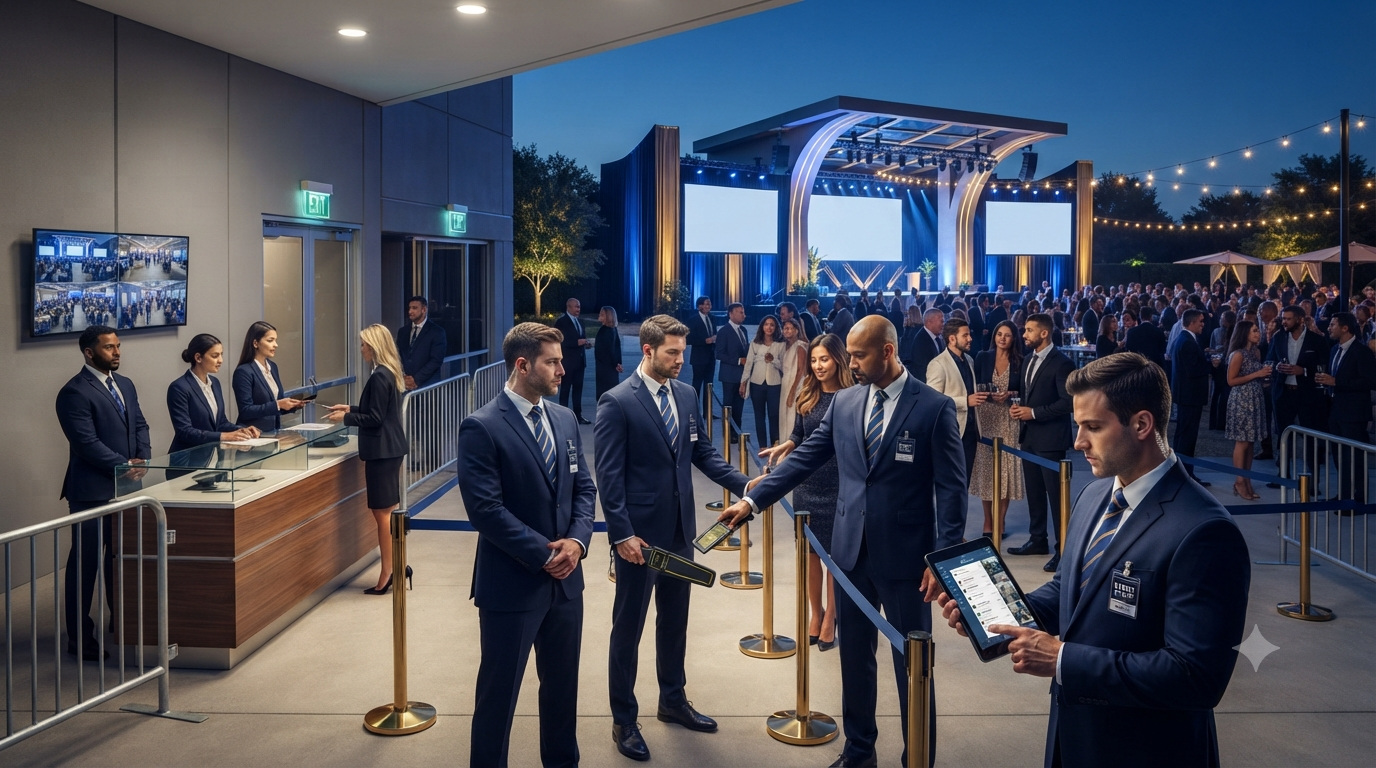
Hosting a successful event requires more than excellent planning, entertainment, and guest experiences—it also depends on a well-structured security strategy. Whether organizing a corporate conference, music festival, sporting event, private gathering, or community celebration, event security plays a crucial role in protecting attendees, staff, vendors, and valuable assets. Effective event security management minimizes risks, prevents disruptions, and ensures that every guest can enjoy the event in a safe and secure environment.
Professional event security begins long before guests arrive. A detailed security assessment helps organizers identify potential risks, evaluate venue layouts, estimate crowd size, and prepare appropriate safety measures. Security teams work closely with event planners to develop entry procedures, emergency response plans, evacuation routes, communication strategies, and staffing requirements. Careful preparation allows security personnel to respond confidently to unexpected situations while maintaining smooth event operations.
Planning an Effective Event Security Strategy
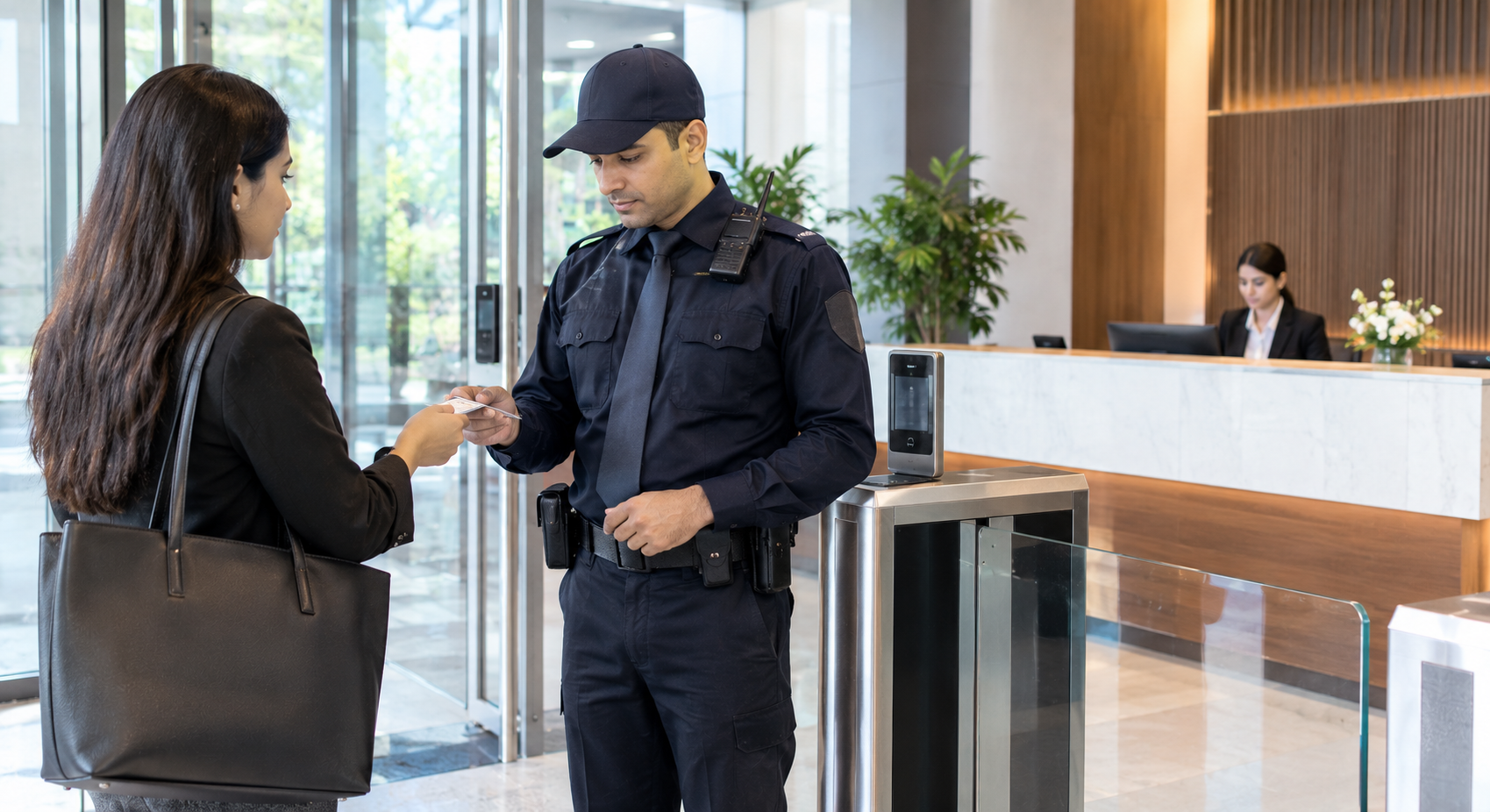
Every event presents different security challenges depending on its size, location, and audience. A comprehensive security plan should include controlled entry points, visitor screening procedures, credential verification, crowd management, emergency medical coordination, and clearly defined security zones. High-risk areas such as VIP sections, backstage entrances, equipment storage, and restricted locations require additional monitoring to ensure only authorized individuals have access.
Professional security officers are trained to monitor guest behavior, identify suspicious activity, provide assistance, and respond calmly during emergencies. Their visible presence reassures attendees while discouraging unauthorized access, theft, vandalism, and other security concerns. Effective communication between security teams, event organizers, and emergency services ensures that any incident is managed quickly and professionally.
The Role of Technology in Modern Event Security
Technology has transformed the way event security is managed. CCTV surveillance systems provide continuous monitoring across the venue, while access control systems verify guest credentials and restrict entry to authorized areas. Handheld metal detectors, digital ticket scanning, visitor management platforms, and real-time communication devices improve efficiency and strengthen overall security.
Many modern events also use mobile command centers and cloud-based monitoring systems that allow supervisors to receive instant alerts, monitor multiple security zones, and coordinate responses in real time. These technologies improve situational awareness and help security teams make informed decisions during both routine operations and emergencies.
Best Practices for Safe and Successful Events
Successful event security relies on preparation, professionalism, and continuous monitoring. Security officers should receive detailed briefings before every event, understand their assigned responsibilities, and remain alert throughout the operation. Emergency exits must remain accessible, communication equipment should be tested regularly, and contingency plans should be reviewed with all staff members before guests arrive.
Crowd management is equally important. Clearly marked entrances, organized queues, visible security personnel, and effective signage help maintain order while reducing congestion. Providing excellent customer service alongside strong security creates a welcoming environment where guests feel both safe and respected.
Building Confidence Through Professional Security
A professionally managed security operation enhances the reputation of both the event and its organizers. Guests are more likely to enjoy their experience when they know trained professionals are protecting the venue. Businesses hosting corporate events also benefit from reduced liability, improved emergency preparedness, and stronger trust among clients, partners, and attendees.
As events continue to grow in size and complexity, investing in experienced event security personnel and modern security technology has become essential. A proactive approach not only prevents incidents but also ensures that every event runs smoothly from beginning to end.
You Might Also Like
 Security Officer Career Growth
The Role of Professional Security Officers in Protecting People and Property
 Residential Security
 Security Guard Equipment
 Security Guard Laws
Understanding Security Guard Responsibilities, Rights, and Legal Requirements
Ready to See Geo Guard Pro in Action?
14-day free trial. No credit card. No lock-in.