Choosing the Right Level of Protection for Your Business
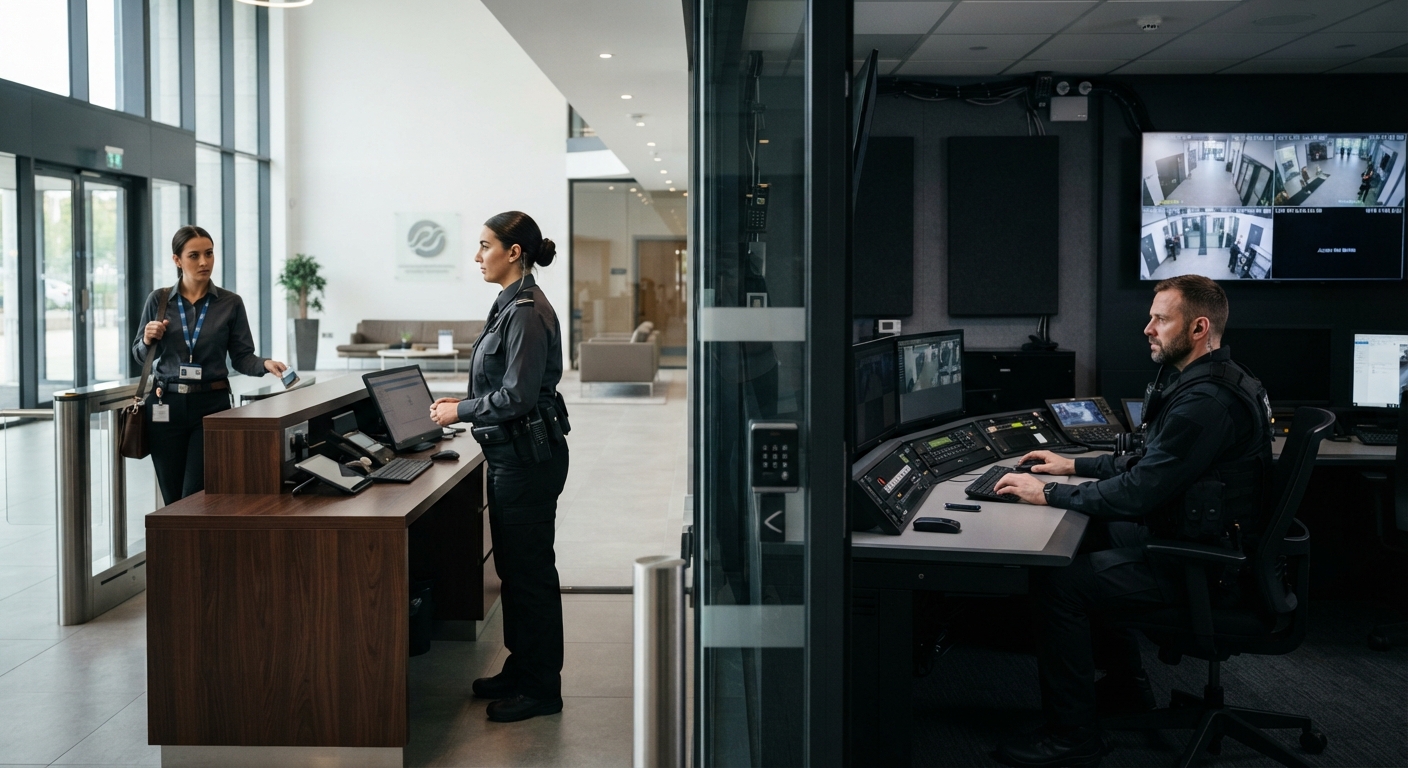
Every business has different security requirements depending on its location, operations, property, and potential risks. Choosing the right security arrangement requires careful planning to ensure that people, assets, and daily operations receive appropriate protection.
Some environments may require a visible professional presence and routine access management, while others may face higher risks that call for more specialized security arrangements. Understanding these differences can help businesses make informed decisions about their security needs.
Understanding Business Security Requirements
Before selecting a security service, organizations should evaluate their environment and identify potential vulnerabilities.
Important considerations include:
- The type and size of the property.
- The number of employees and visitors.
- The value of equipment and assets.
- The level of public access.
- The location and surrounding environment.
- Previous incidents or identified risks.
- Applicable legal and regulatory requirements.
A thorough risk assessment provides a practical starting point for determining the appropriate level of protection.
The Role of Professional Security Personnel
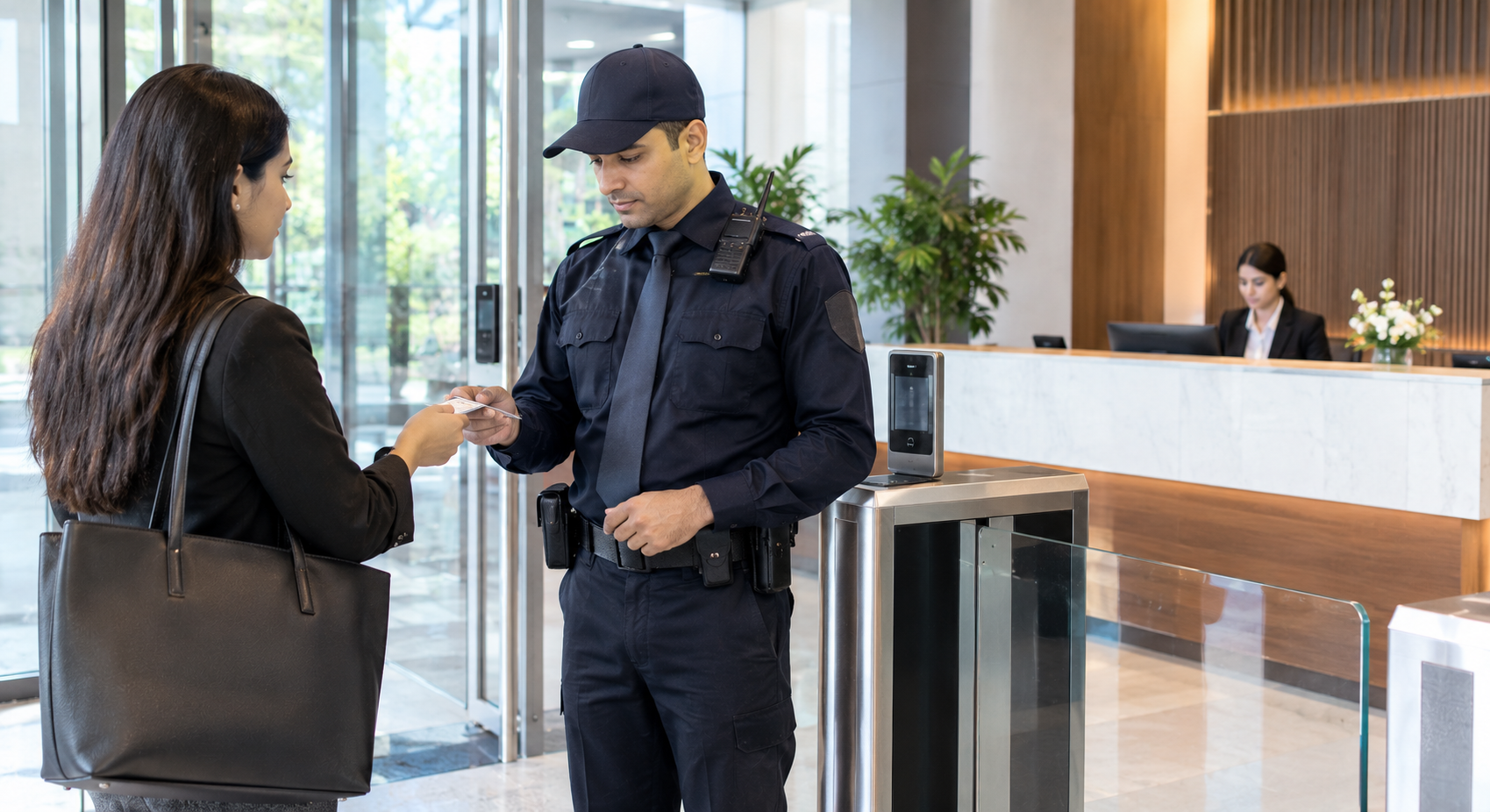
Security professionals support businesses in maintaining orderly operations, monitoring access points, conducting patrols, and reporting unusual activity.
Their responsibilities may also include visitor assistance, incident documentation, emergency communication, and enforcing established workplace procedures.
Clear responsibilities and appropriate training help ensure that security personnel understand their role and respond professionally to different situations.
Selecting Services for Different Environments
Different workplaces require different approaches to protection.
Corporate offices, retail stores, residential communities, warehouses, industrial facilities, and high-value properties may all have distinct operational requirements.
For example, an office building may primarily need visitor management and controlled access, while a facility handling valuable goods may require additional measures based on its risk assessment.
The most suitable arrangement depends on the actual risks rather than assumptions about the property or industry.
Evaluating the Level of Risk
Risk assessment helps organizations determine whether standard security measures are sufficient or whether additional specialized protection may be necessary.
Businesses should consider the likelihood of potential incidents, their possible consequences, the vulnerability of important assets, and the ability of existing procedures to address identified risks.
Where elevated threats exist, organizations may need to consult qualified security professionals and relevant authorities to determine appropriate measures.
Training and Professional Standards
Regardless of the security arrangement selected, personnel should have the training, qualifications, and authorization required for their assigned responsibilities.
Important professional standards include:
- Clear communication.
- Situational awareness.
- Accurate incident reporting.
- Knowledge of emergency procedures.
- Respectful interaction with the public.
- Understanding of applicable laws and company policies.
Where specialized duties are involved, additional training and legal authorization may be required.
Integrating Security With Technology
Modern businesses can strengthen their security arrangements through appropriate technology.
Depending on the environment, useful measures may include access control systems, CCTV monitoring, alarm systems, visitor management tools, and digital incident reporting.
These systems can help personnel maintain awareness, document incidents, and coordinate responses more effectively.
Technology should complement trained personnel and established procedures rather than replace them entirely.
Cost and Operational Considerations
Security planning should balance the level of protection required with the organization's budget and operational needs.
Businesses should consider staffing requirements, training, equipment, licensing, insurance, and ongoing operational costs when evaluating different service options.
Choosing the least expensive option without assessing risk can leave important vulnerabilities unaddressed. Equally, investing in measures that are unnecessary for the environment may not provide meaningful additional value.
A structured assessment can help organizations allocate resources more effectively.
Compliance and Responsible Operations
Businesses must ensure that their security arrangements comply with applicable laws and regulations.
This is particularly important when services involve specialized equipment, additional licensing requirements, or responsibilities that differ from routine security duties.
Organizations should verify the credentials and legal authorization of any security provider before entering into an agreement.
Clear policies, appropriate supervision, and documented procedures also help promote responsible security operations.
Reviewing Security Needs Over Time
Security requirements may change as a business expands, relocates, introduces new equipment, or experiences changes in its operating environment.
Regular assessments help organizations identify emerging risks and determine whether existing arrangements remain appropriate.
Reviewing incident reports, access procedures, staffing requirements, and technology can support continuous improvement.
Making an Informed Decision
Selecting a security service should be based on evidence, professional advice, and the specific needs of the organization.
Businesses should work with reputable providers who can explain their recommendations, demonstrate relevant experience, verify required credentials, and provide clear information about responsibilities and costs.
A well-planned approach helps ensure that security arrangements remain practical, proportionate, and aligned with business objectives.
Conclusion
Choosing the right level of protection begins with understanding the risks a business faces and the responsibilities required to address them. Professional personnel, appropriate training, reliable technology, clear procedures, and legal compliance all contribute to an effective security strategy.
By evaluating their operational requirements and consulting qualified security providers when necessary, businesses can select services that support the protection of their people, property, and daily activities.
You Might Also Like
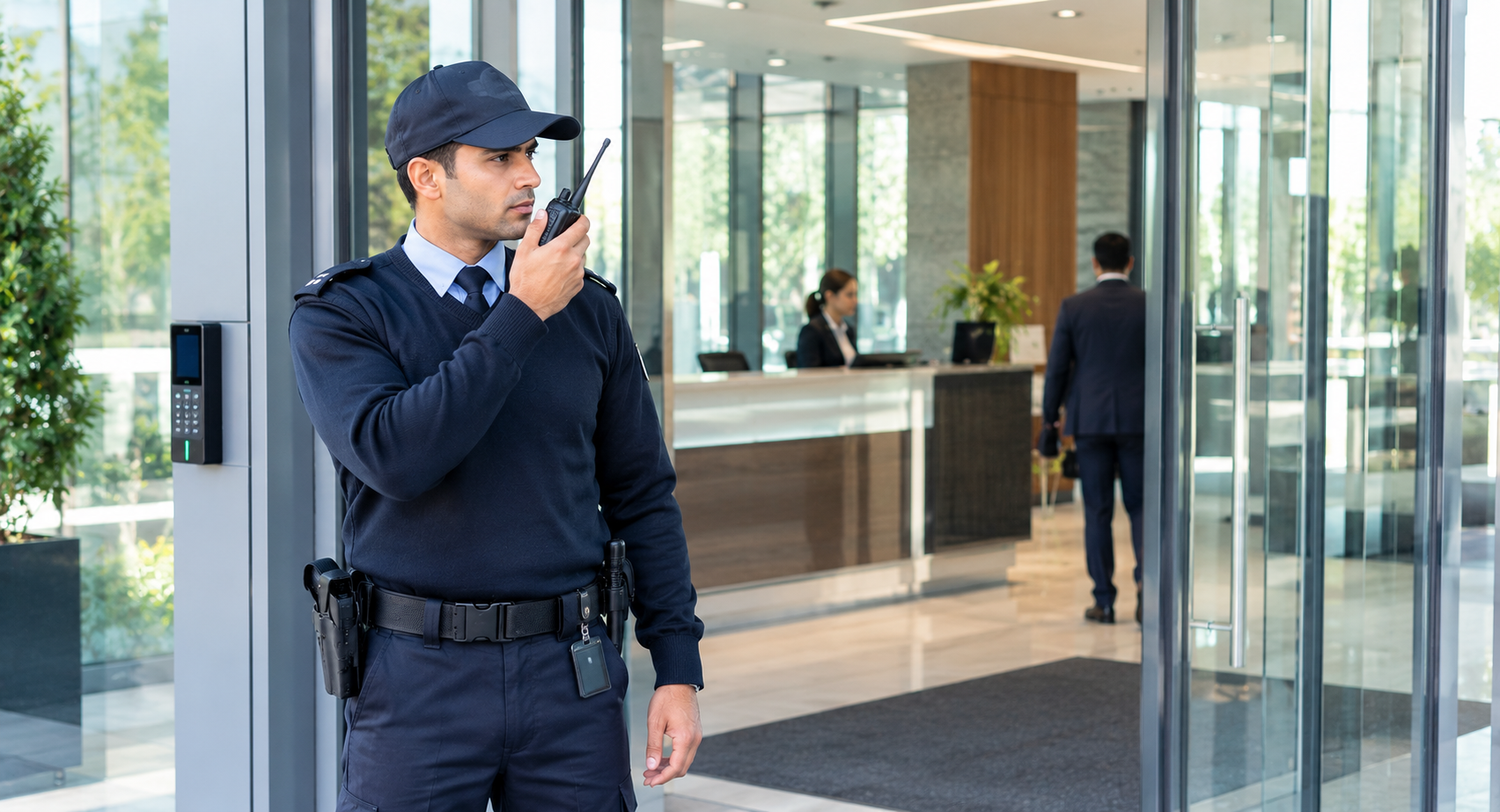 Security Officer Career Growth
The Role of Professional Security Officers in Protecting People and Property
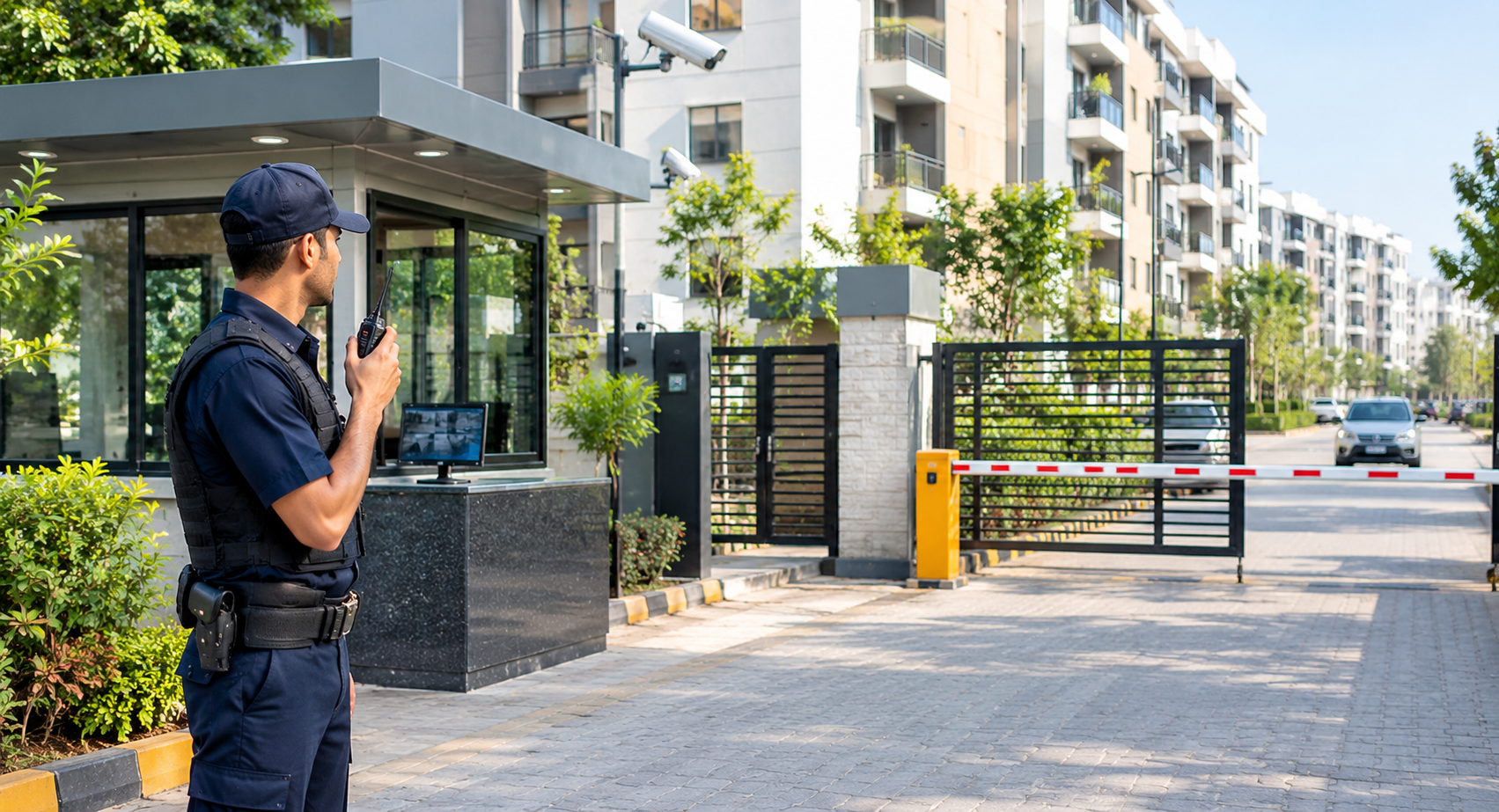 Residential Security
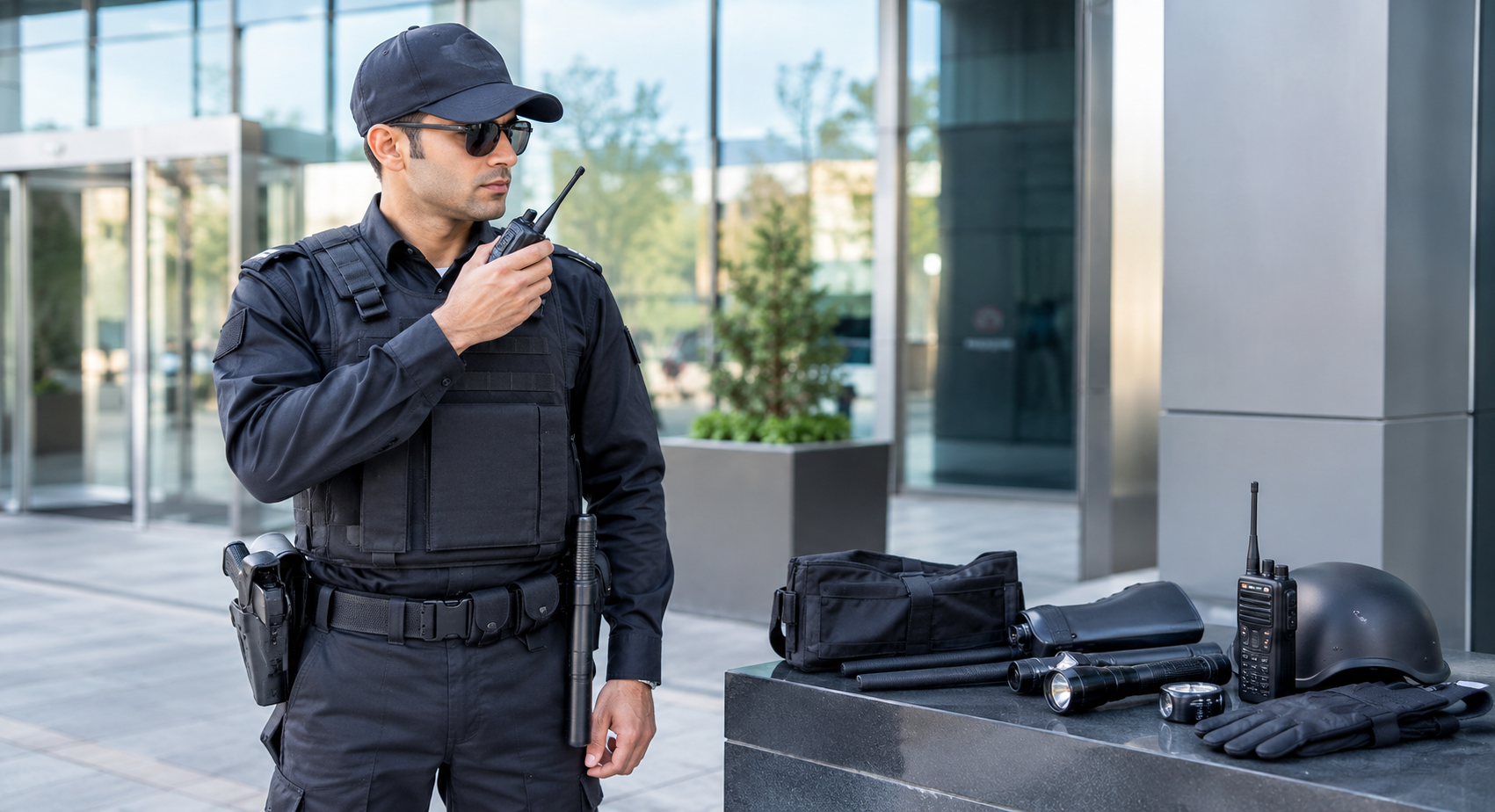 Security Guard Equipment
 Security Guard Laws
Understanding Security Guard Responsibilities, Rights, and Legal Requirements
Ready to See Geo Guard Pro in Action?
14-day free trial. No credit card. No lock-in.