Choosing the Right Security Approach for Different Business Environments

Every business has different security requirements. A corporate office, warehouse, residential property, construction site, retail location, or event venue may face different risks and require a different approach to protecting people, property, and daily operations.
Choosing an appropriate security strategy begins with understanding the environment, identifying potential risks, and determining the level of protection required. The right approach should support both safety and the normal operation of the business without creating unnecessary disruption.
Understanding Your Security Requirements
Before selecting a security service, organizations should consider the nature of their property and the activities taking place there.
Important factors may include:
- Location and size of the property.
- Number of employees and visitors.
- Operating hours.
- Valuable equipment or inventory.
- Previous security incidents.
- Number of entry and exit points.
- Surrounding environment.
- Potential workplace hazards.
A proper assessment can help organizations identify where security personnel and security technology can provide the most value.
Matching Security to the Environment
Security requirements can change significantly from one location to another.
A busy commercial office may benefit from controlled access, visitor management, CCTV monitoring, and a professional security presence. A warehouse may require additional attention to loading areas, inventory, restricted zones, and after-hours activity.
Construction sites can present different challenges because of valuable equipment, changing site conditions, and multiple contractors entering and leaving the property.
Understanding these differences allows organizations to develop security procedures that are appropriate for their specific environment.
The Importance of a Visible Security Presence
A professional security presence can help create a controlled and organized environment.
Security personnel can monitor entrances, communicate with visitors, conduct patrols, observe activity, and respond according to established procedures.
The presence of trained personnel can also provide employees and visitors with a clear point of contact when they have security-related concerns.
Combining Security Personnel With Technology
Modern security strategies do not have to rely on personnel alone. Technology can provide additional visibility and help security teams manage daily operations.
Depending on the environment, organizations may use:
- CCTV and surveillance systems.
- Access control systems.
- Visitor management solutions.
- Alarm systems.
- Digital incident reporting.
- Patrol tracking technology.
- Security communication systems.
Combining trained personnel with appropriate technology can create a more coordinated security operation.
Risk Assessment Should Come First
Security decisions should be based on actual risks rather than assumptions.
A risk assessment can help identify potential vulnerabilities and determine which areas require additional attention. Organizations can then establish appropriate procedures for monitoring, access management, patrols, incident response, and emergency situations.
Regular reviews are also important because business operations and security risks can change over time.
Training and Professional Standards
Regardless of the security environment, properly trained personnel are essential. Security officers should understand their responsibilities, site procedures, communication requirements, reporting processes, and applicable workplace policies.
Professional training can help officers respond more confidently and consistently while maintaining appropriate conduct when dealing with employees, visitors, clients, and the public.
Reviewing Security as Your Business Grows
Security requirements may change as a business expands. New facilities, additional employees, extended operating hours, increased inventory, or changes in the surrounding area can introduce new security considerations.
Organizations should periodically review their security arrangements to ensure they continue to match current operational needs.
A security plan that worked for a small facility may not provide the same level of coverage after the organization grows.
Creating a Balanced Security Strategy
Effective security is about finding the right balance between protection, operational requirements, and available resources.
Organizations should consider the risks they face, the environment they operate in, the responsibilities assigned to security personnel, and the technology available to support them.
A well-planned strategy provides security teams with clear responsibilities while helping businesses maintain a professional and productive environment.
Conclusion
There is no single security solution that works for every organization. Each property has its own environment, risks, people, operational requirements, and security challenges.
By conducting regular risk assessments, selecting appropriately trained security personnel, using suitable technology, and reviewing procedures as circumstances change, organizations can develop a security approach that meets their specific needs.
The most effective security strategy is one that is carefully planned around the real requirements of the property rather than relying on a one-size-fits-all approach.
You Might Also Like
 Security Officer Career Growth
The Role of Professional Security Officers in Protecting People and Property
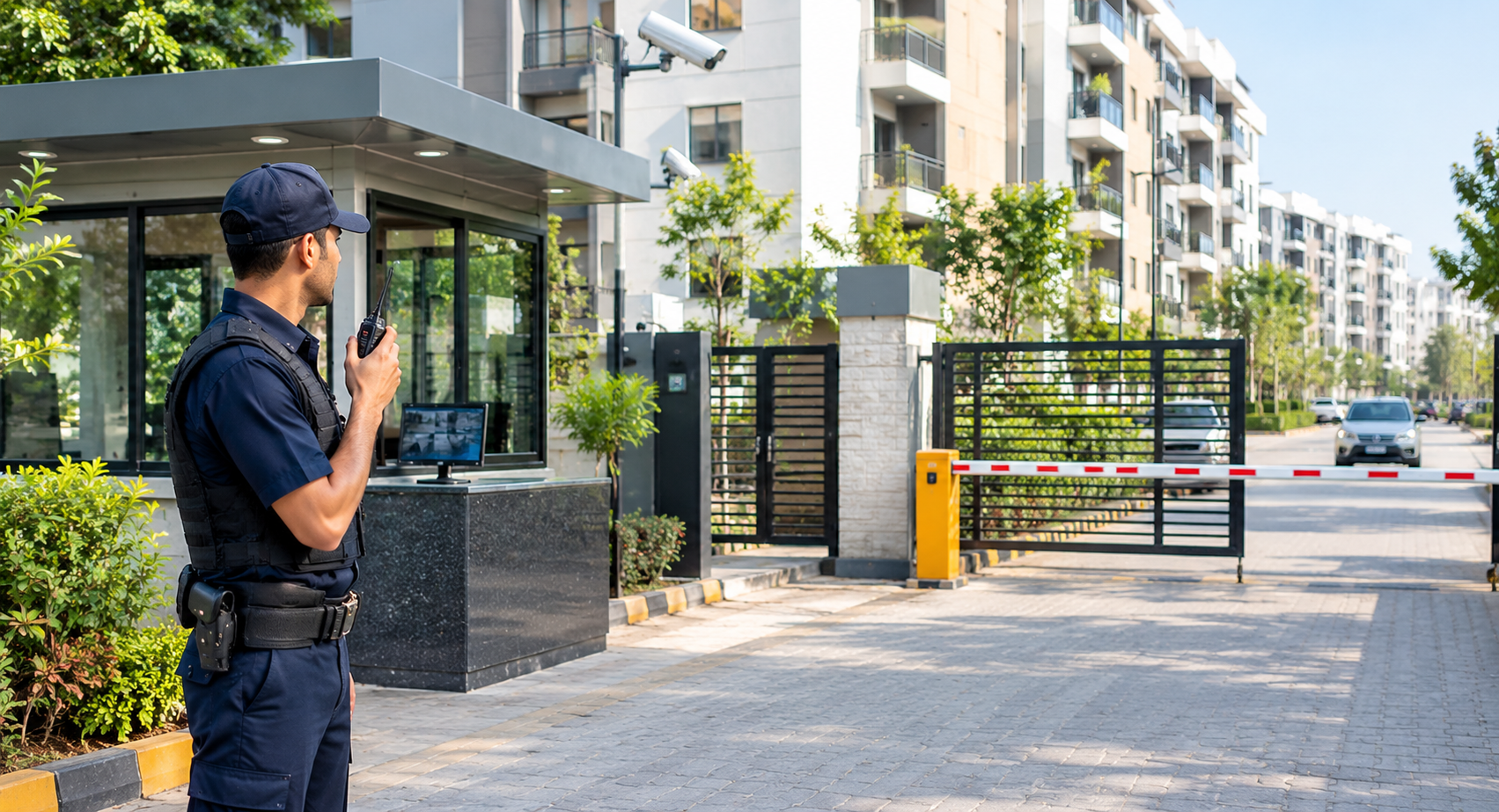 Residential Security
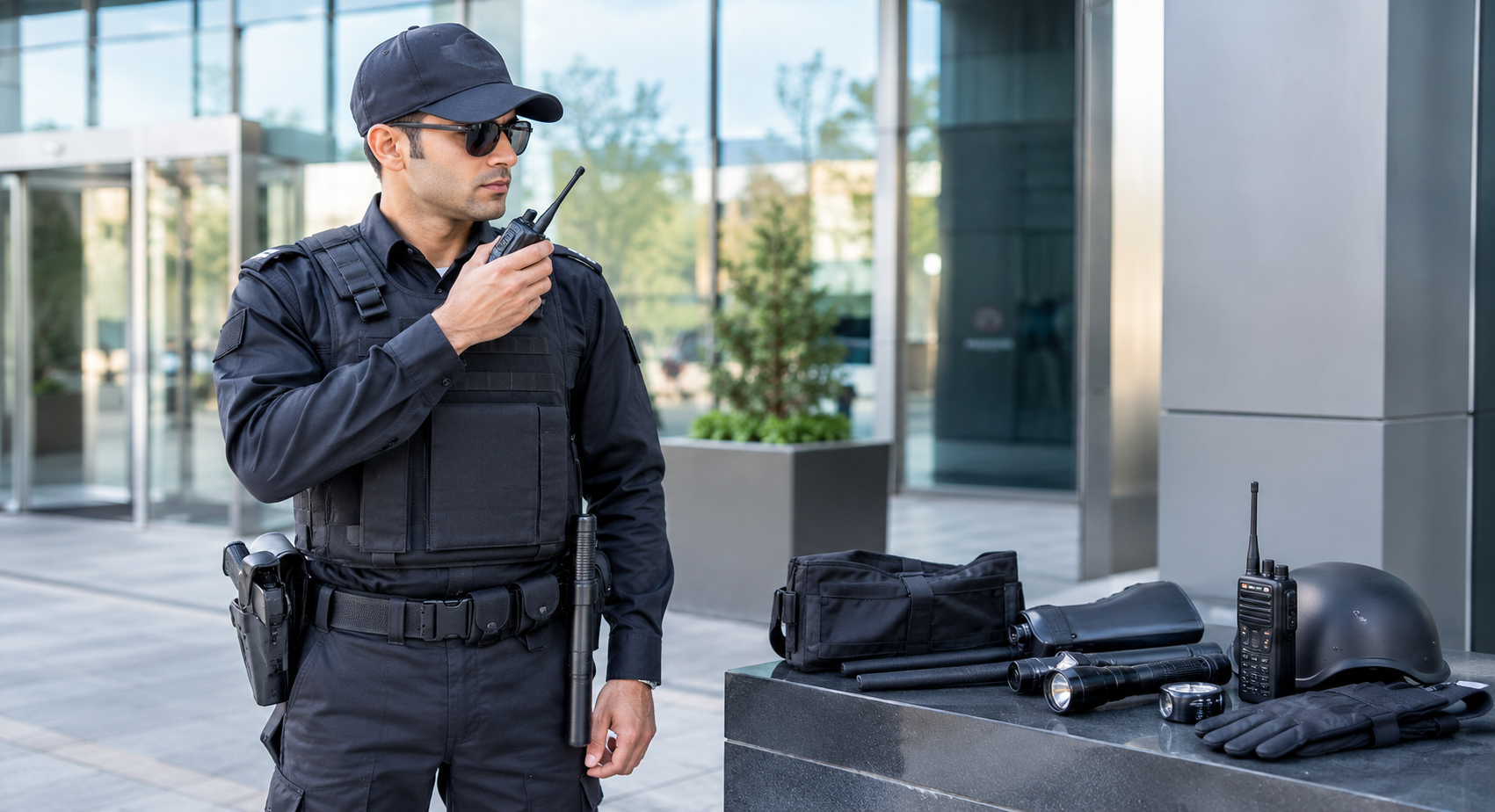 Security Guard Equipment
 Security Guard Laws
Understanding Security Guard Responsibilities, Rights, and Legal Requirements
Ready to See Geo Guard Pro in Action?
14-day free trial. No credit card. No lock-in.