Building a Stronger Security Strategy With Better Visibility
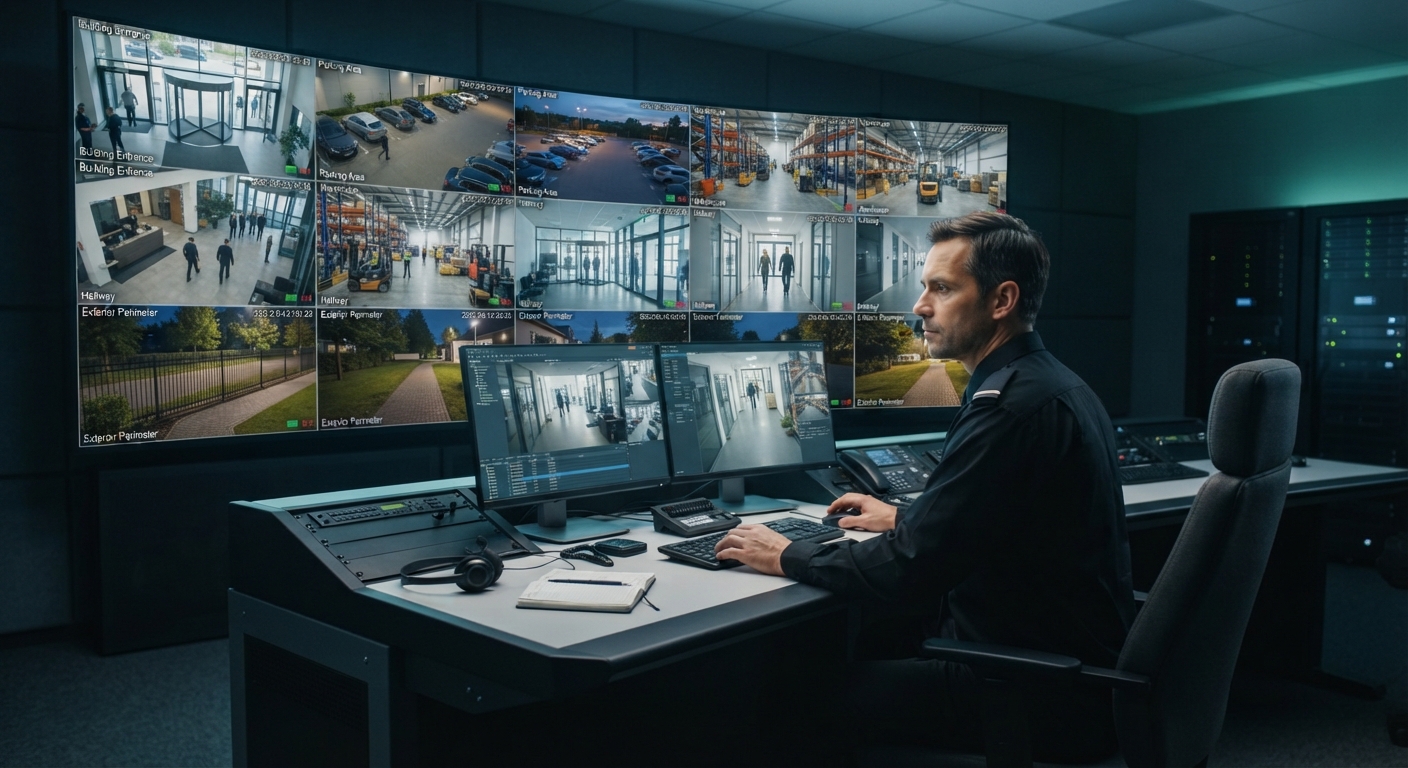
Maintaining clear visibility across a property is an important part of modern security planning. Businesses need to know what is happening around entrances, parking areas, offices, warehouses, storage rooms, and other important locations.
A properly designed video monitoring system can provide security teams with valuable information while supporting prevention, incident response, and day-to-day property management. However, simply installing cameras is not enough. Effective results depend on careful planning, suitable equipment, trained personnel, and regular system maintenance.
Why Visibility Matters
Large properties often contain areas that cannot be continuously monitored by security personnel. A well-planned monitoring system can provide additional awareness across these locations.
Better visibility can help organizations:
- Monitor important areas.
- Identify unusual activity.
- Support security personnel.
- Review incidents.
- Monitor entrances and exits.
- Protect valuable property.
- Improve overall situational awareness.
The goal should be to provide useful information that supports practical security decisions.
Identifying Important Areas
Every property has different security requirements. Before installing cameras, businesses should identify the locations where monitoring would provide the most value.
These may include:
- Main entrances and exits.
- Parking facilities.
- Reception areas.
- Building perimeters.
- Loading zones.
- Storage areas.
- Restricted rooms.
- High-value equipment areas.
A site assessment can help identify vulnerable locations and potential blind spots.
Strategic Camera Placement
Camera placement can have a major impact on the effectiveness of a monitoring system.
Cameras should be positioned to provide useful coverage while avoiding unnecessary overlap or areas where visibility is obstructed.
Businesses should consider factors such as lighting, building layout, entrances, high-traffic areas, and environmental conditions when determining placement.
Professional planning can help organizations achieve useful coverage without installing unnecessary equipment.
Supporting Security Personnel
Technology works best when it supports trained security professionals.
Security officers can monitor live feeds, recognize unusual activity, communicate with supervisors, and follow established response procedures.
A monitoring system can provide information, but trained personnel are responsible for interpreting situations and taking appropriate action according to company policies.
Using Video Records During Incidents
Recorded footage can be useful when reviewing an incident. It may help security teams understand what happened, establish a timeline, and identify relevant activity.
Organizations should have clear procedures for accessing and handling recorded information.
Only authorized personnel should have access to security recordings, and businesses should follow applicable privacy and data-protection requirements.
Protecting Business Assets
Businesses may have valuable inventory, equipment, technology, and materials that require additional protection.
Monitoring can provide greater visibility around areas where valuable assets are stored or handled.
When combined with access control, patrols, and appropriate workplace procedures, video monitoring can contribute to a layered approach to asset protection.
Integration With Access Control
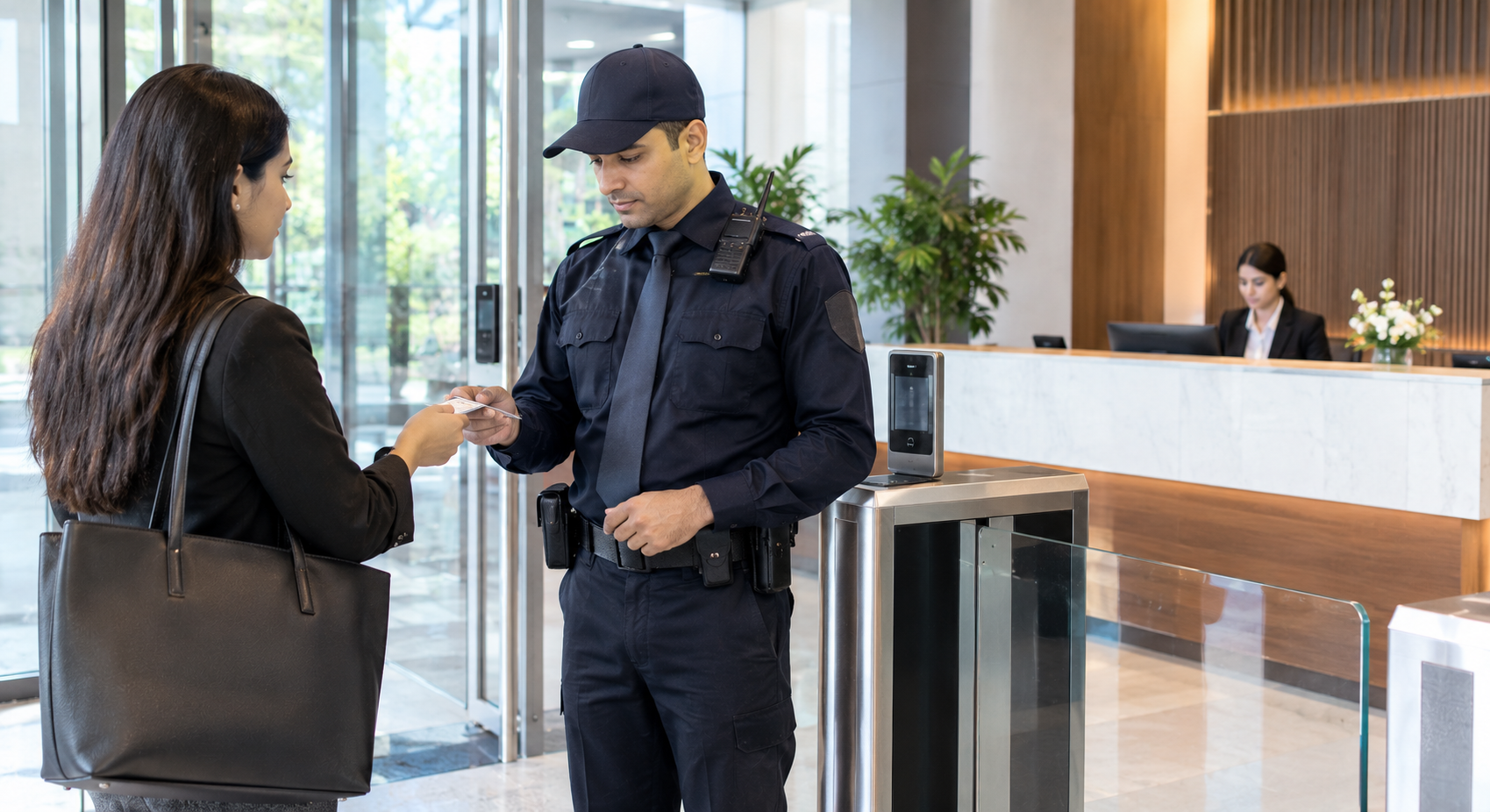
Video monitoring can be particularly useful when combined with access management.
For example, a business may use controlled entry points while monitoring entrances and surrounding areas. This can help security personnel understand activity around restricted locations and investigate unusual access events.
Integrating different security systems can provide a more complete picture of what is happening across a facility.
The Importance of Image Quality
Clear footage is essential when monitoring important areas. Poor lighting, incorrect camera positioning, obstructions, or outdated equipment can reduce the usefulness of recorded information.
Organizations should regularly evaluate image quality and address issues that could affect visibility.
The appropriate equipment should be selected based on the environment, lighting conditions, distance, and specific monitoring requirements.
Regular Maintenance and Testing
A security system should be checked regularly to ensure that it continues to function properly.
Maintenance may include:
- Checking camera functionality.
- Reviewing image quality.
- Testing recording systems.
- Inspecting network connections.
- Checking storage capacity.
- Identifying damaged equipment.
- Reviewing areas with inadequate coverage.
Regular testing can help organizations identify problems before they affect security operations.
Responsible Use of Monitoring Systems
Businesses should establish clear policies governing how monitoring systems are used.
These policies should address who can access recordings, how information is stored, how long it is retained, and how footage may be shared.
Monitoring should be conducted responsibly and in accordance with applicable laws, privacy requirements, and organizational policies.
Reviewing the System as the Business Changes
Security requirements can change as a business grows. New buildings, additional entrances, renovations, changes in parking areas, or new storage locations may create different monitoring needs.
Regular security assessments can help businesses determine whether existing coverage remains appropriate.
Updating the system when the property changes can help maintain effective visibility over time.
Creating a Layered Security Approach
Video monitoring should be considered one part of a broader security strategy.
Other measures may include:
- Trained security personnel.
- Access control.
- Visitor management.
- Physical patrols.
- Adequate lighting.
- Alarm systems.
- Clear incident reporting procedures.
Combining multiple security measures can provide stronger protection than relying on a single system.
Conclusion
Effective video monitoring can provide businesses with greater visibility across their properties and valuable information for managing security operations.
However, successful implementation requires more than installing cameras. Businesses should assess their risks, identify important areas, select appropriate equipment, maintain the system regularly, train personnel, and establish responsible procedures for handling recorded information.
When technology, trained personnel, and clear security procedures work together, organizations can create a more proactive and well-organized approach to protecting people, property, and business operations.
You Might Also Like
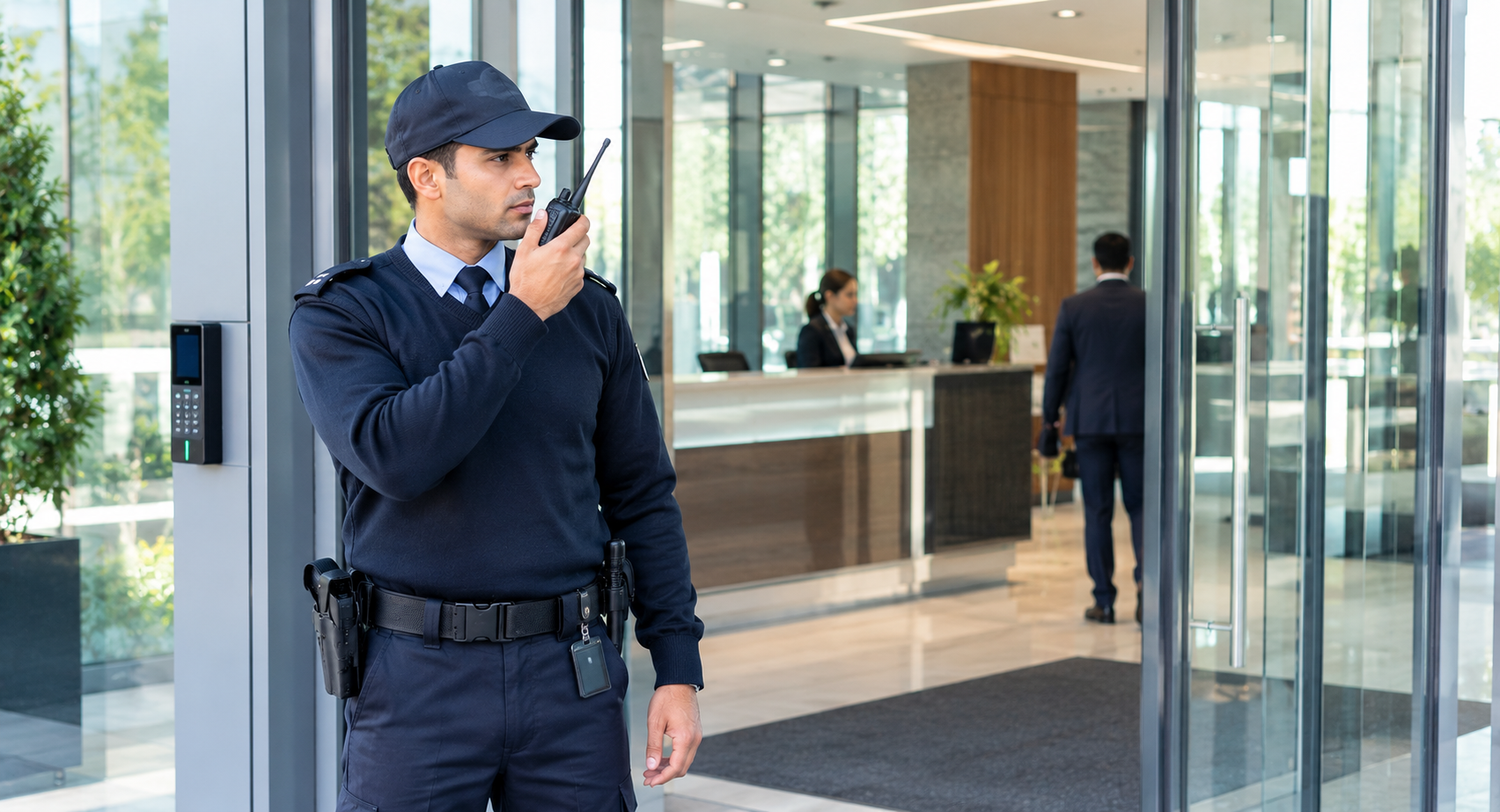 Security Officer Career Growth
The Role of Professional Security Officers in Protecting People and Property
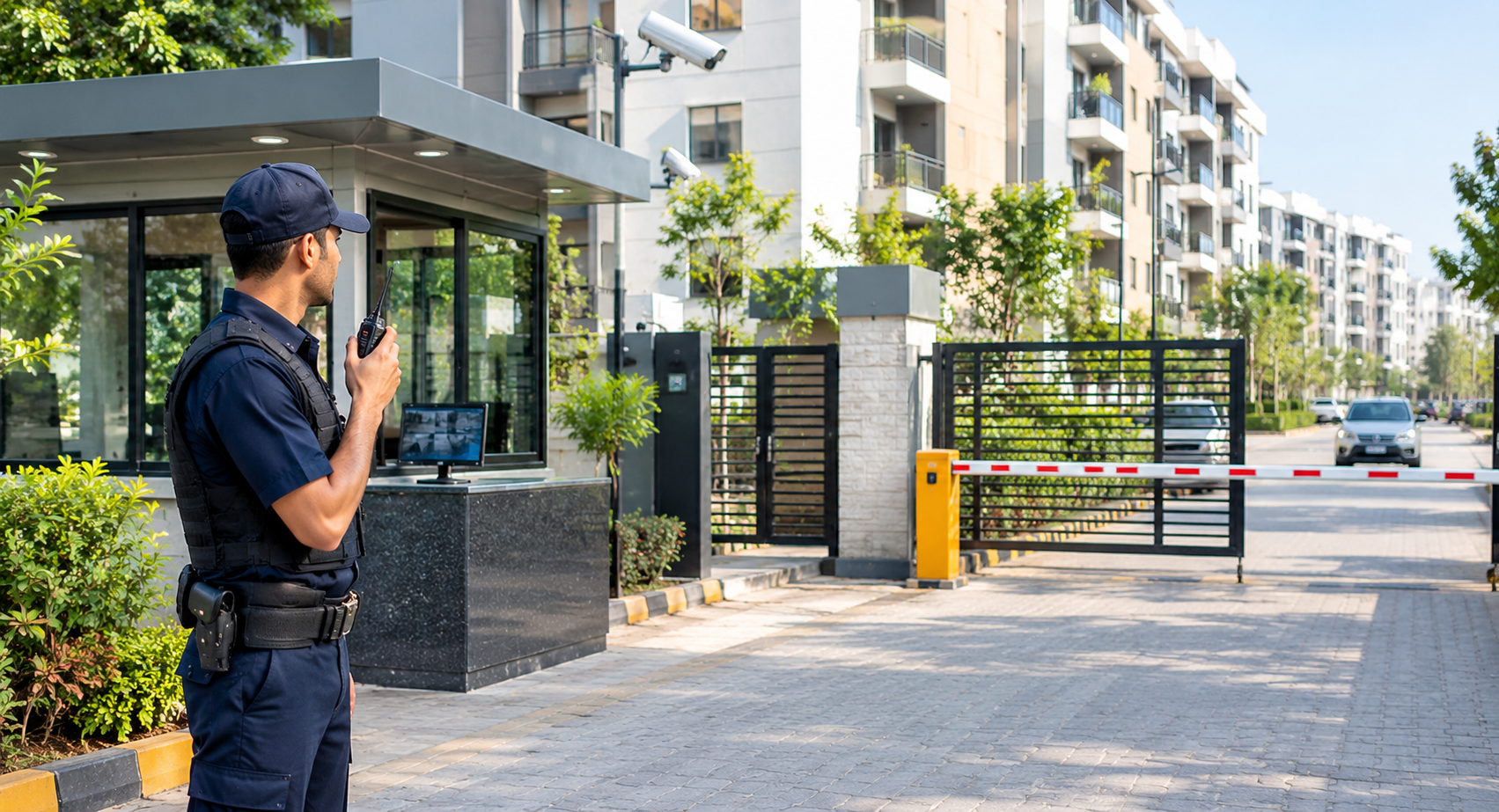 Residential Security
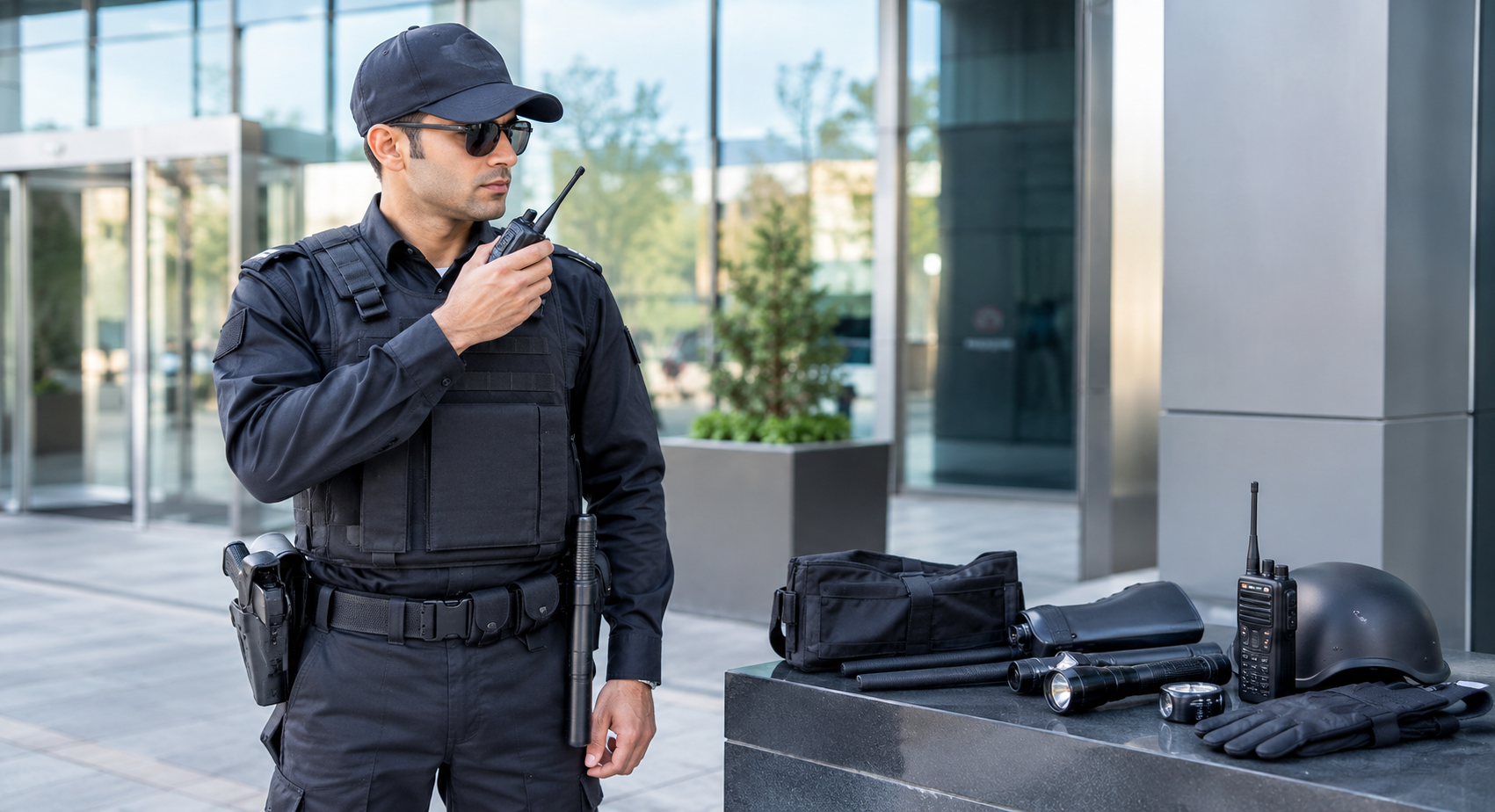 Security Guard Equipment
 Security Guard Laws
Understanding Security Guard Responsibilities, Rights, and Legal Requirements
Ready to See Geo Guard Pro in Action?
14-day free trial. No credit card. No lock-in.